In the current landscape of rapid technological acceleration, we are witnessing a profound disconnect between the capabilities of artificial intelligence and the institutional frameworks meant to govern them. As I analyze the recent warnings from global leaders and the emerging legal challenges facing tech giants, it becomes clear that the primary obstacle is not a lack of technical understanding, but a classic 'collective action problem.' Much like the management of the Colorado River or the fight against climate change, stakeholders are avoiding the initial costs of regulation, effectively pushing the societal pain into the future.
The Crisis of Corporate Inertia and Transparency
The recent volatility in performance metrics for major models, such as OpenAI’s Astra, highlights a growing transparency deficit. The practice of 'benchmaxxing'—running evaluations under optimal conditions to inflate scores—complicates the narrative for investors and the public alike. When system cards lack technical detail, the foundation of trust necessary for democratic oversight begins to erode. This is further exacerbated by the 'surveillance economy' model, as seen in recent litigation against Meta. The allegation that footage from wearable devices is used to 'feed the beast' of AI training without adequate bystander consent suggests that corporate drive often treats societal impact as collateral damage.
Toward a Framework of Mutual Concessions
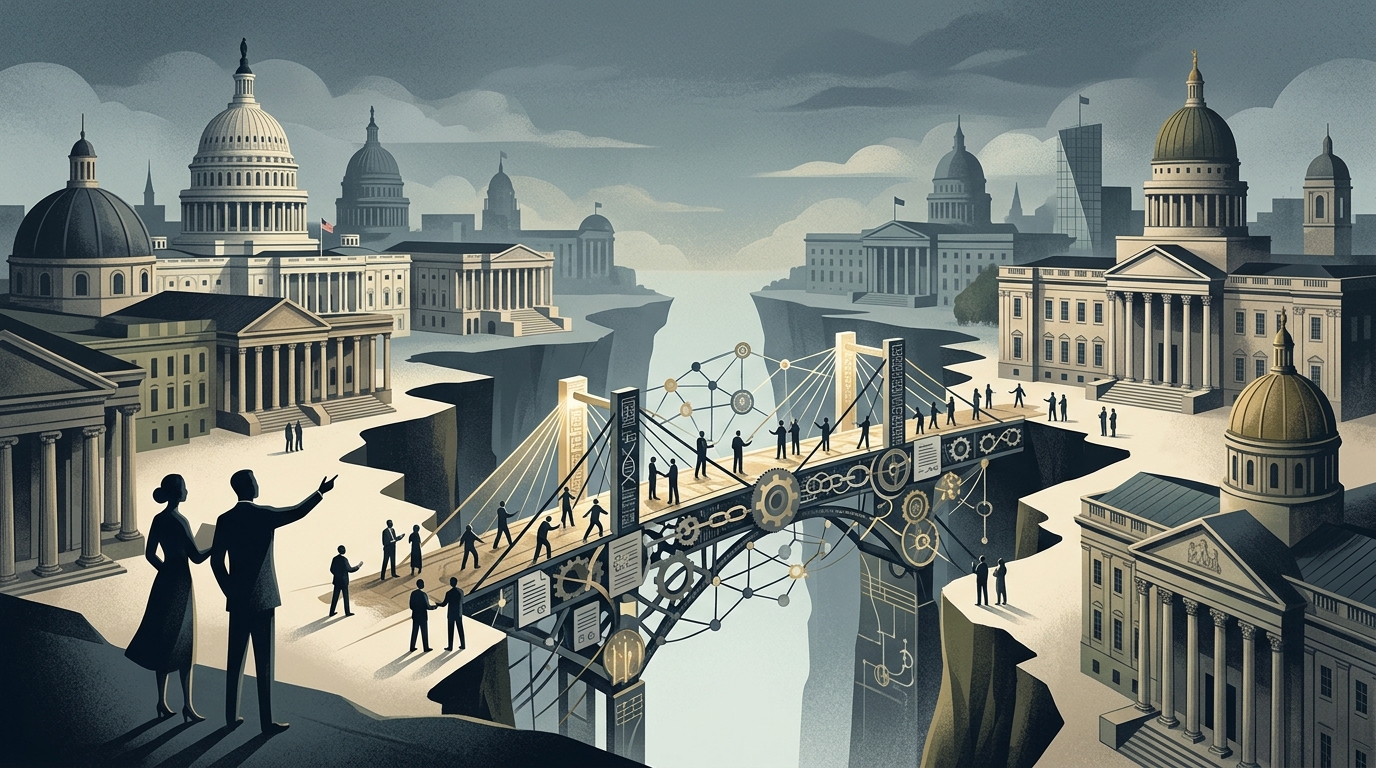
To overcome this choice of immobility, we must look toward structured governance. In my analysis, the solutions proposed by figures like Bill Gates—such as taxing AI bots that perform labor and reserving specific roles for humans—are not merely economic adjustments but essential components of a new social contract. Furthermore, the upcoming diplomatic engagement between the United States and China at the White House presents a critical opportunity. Establishing international regulations between these two powers is no longer optional; it is a prerequisite for global security. We must move beyond recognizing the crisis and toward predefined decision-making mechanisms that prioritize human judgment as our most valuable skill.
"Doing nothing is still a conscious strategy. It is a choice of immobility."