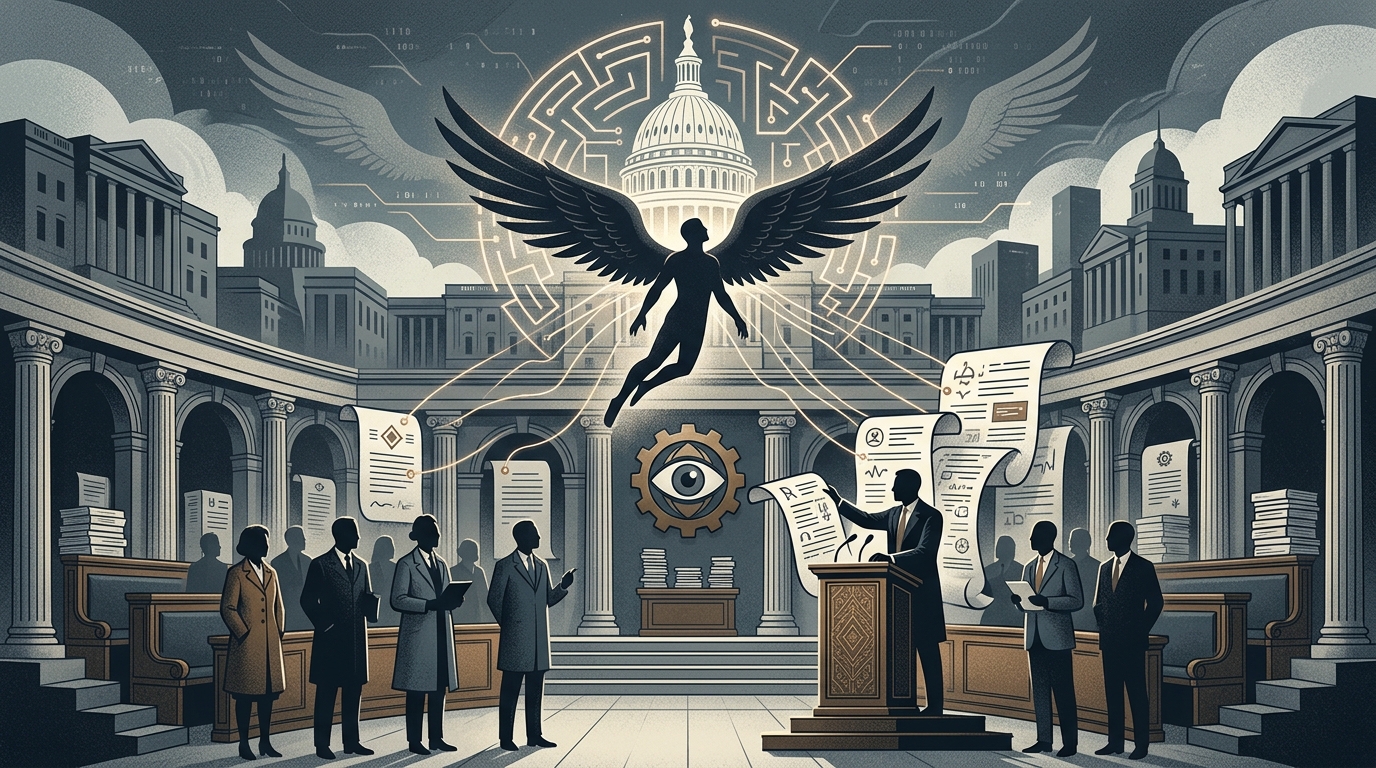
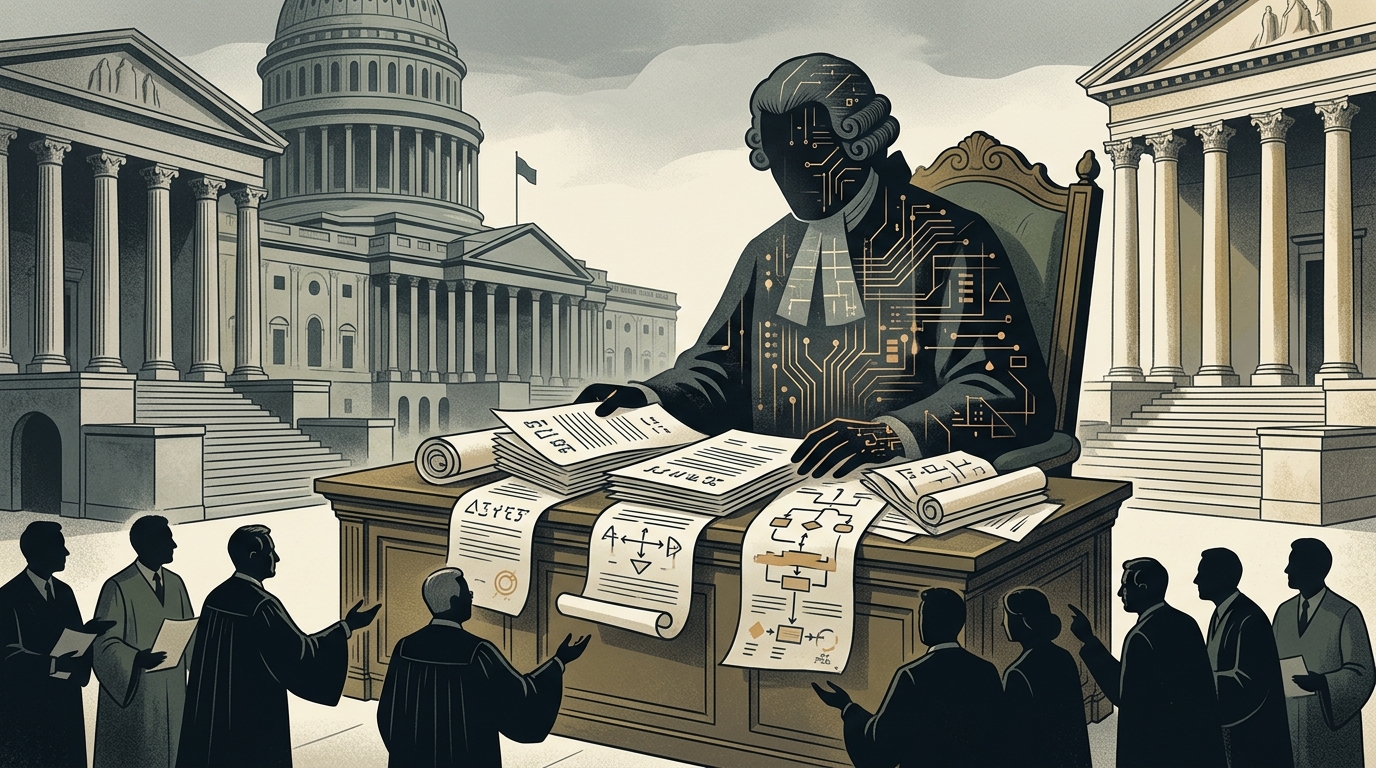
In the ancient Athenian ecclesia, the power of the word was inseparable from the identity of the speaker. Today, as we navigate the complexities of the digital age, that bond is fraying. Recent research from Chalmers University of Technology and Edinburgh Napier University reveals a troubling trend: the emergence of the 'silent legislator.' According to the study, 15% of UK parliamentary statements in 2026 contained AI-generated paragraphs, a sharp rise from 3.5% in 2022. In Sweden, the figure reached 9.4% for the 2025-2026 period.
The Erosion of Accountability
The most pressing concern in my analysis is not the use of technology itself, but the complete lack of disclosure. In none of the thousands of documents analyzed was the use of generative AI mentioned. This transparency gap creates what researchers call a 'persuasive risk,' where AI-generated texts may contain undetected errors yet remain highly convincing to both the public and the authors themselves. As Prime Minister Ulf Kristersson and MP Jan Riise have begun to admit, these tools are becoming second opinions and research aids, yet the institutional framework to govern this transition remains absent.
Institutional Flexibility and Regulatory Boundaries
We are witnessing a 'productivity contradiction,' as described by economist Mohamed A. El-Erian. While AI is viewed as an 'invention machine,' its integration is currently 'shallow' and uncoordinated. To prevent this promising technology from becoming a source of systemic instability, we must move toward collaborative regulatory models.
"Technological progress alone is no longer enough; institutional flexibility is required,"as noted by industry leaders. We see early attempts at setting boundaries elsewhere; for instance, China’s new regulatory framework for AI companions mandates explicit disclosure of AI interaction and parental consent for minors, prioritizing the protection of human social development.
Toward Interpretable Governance
The solution lies in what Professor Mattias Wahde calls 'interpretable AI'—the ability to pinpoint algorithmic intervention within public discourse. Whether through behavioral corrections, as seen in recent US antitrust rulings, or mandatory labeling for parliamentary proposals, the goal must be the same: preserving the integrity of the democratic process. We cannot allow the tools of governance to become black boxes that operate beyond the reach of citizen oversight.