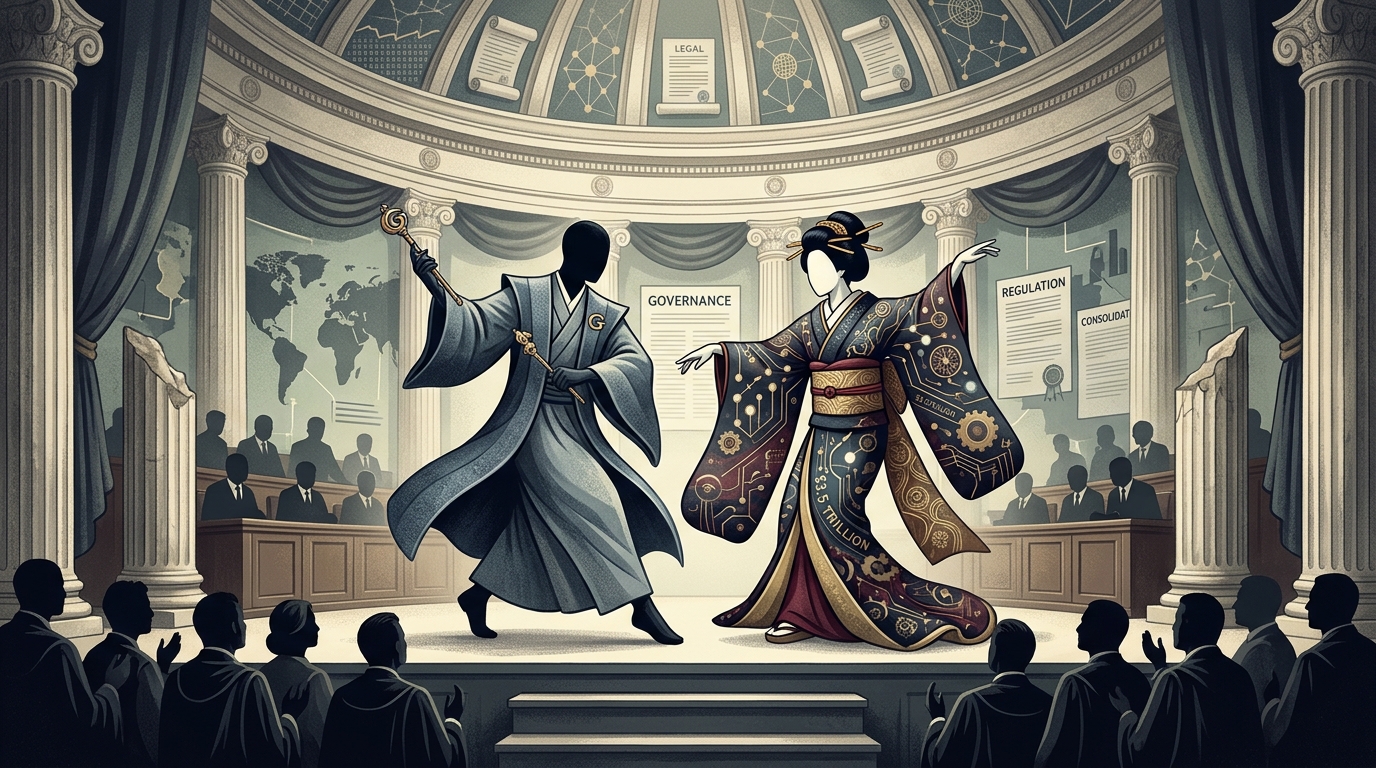
The proposed merger between Tesla and SpaceX, potentially creating a mega-entity valued at approximately $3.5 trillion, represents more than a commercial transaction; it is a profound test of modern corporate governance. As these two giants consider a formal union, the institutional frameworks designed to manage conflicts of interest and shareholder rights are being pushed to their limits in what Elon Musk has characterized as an "odd kabuki dance."
Institutional Safeguards and the Conflict of Interest
At the core of this process is the formation of special committees composed of independent board members from both companies. These committees were established following shareholder requests to evaluate the feasibility and terms of a deal that would consolidate significant portions of the global AI and aerospace infrastructure. Because Musk serves as CEO and a major shareholder in both firms—owning roughly 20% of Tesla and 45% of SpaceX—he has been legally sidelined from the negotiation process.
"Because I’m a conflicted party, I can’t actually be in the discussions," Musk stated during a SpaceX earnings call.
This recusal is a critical democratic safeguard within the corporate structure, ensuring that the interests of minority shareholders are not eclipsed by the influence of a singular executive. However, the hurdle remains high: for the merger to proceed, it would require the approval of 50 percent of all outstanding Tesla shares, a requirement that reflects the significant weight of fiduciary responsibility in such a historic consolidation.
The Strategic Pursuit of Superintelligence
The political and strategic rationale for this merger is framed by the arrival of the "superintelligence singularity." The proposed consolidation aims to unify development in AI software, chip design, robotics, and mass-to-orbit connectivity via the Starmind constellation. From a policy perspective, this represents a massive integration of critical infrastructure—from the "TeraFab" production facilities to the satellite networks providing global connectivity.
While the synergies in AI development are evident—with SpaceX’s AI division, rebranded as "Super Intelligence," recently reporting revenues of $7.56 billion—the financial trade-offs are significant. Analysts note that a merger could divert funds from Tesla’s core mission of battery and vehicle production toward SpaceX’s capital-intensive launch goals. Furthermore, the dilution of existing Tesla shares remains a point of contention. As we observe this "kabuki dance" of governance, the outcome will determine whether the path to superintelligence is paved by balanced institutional oversight or by the sheer gravity of consolidated corporate power.