The 'Kabuki Dance' of Mega-Consolidation
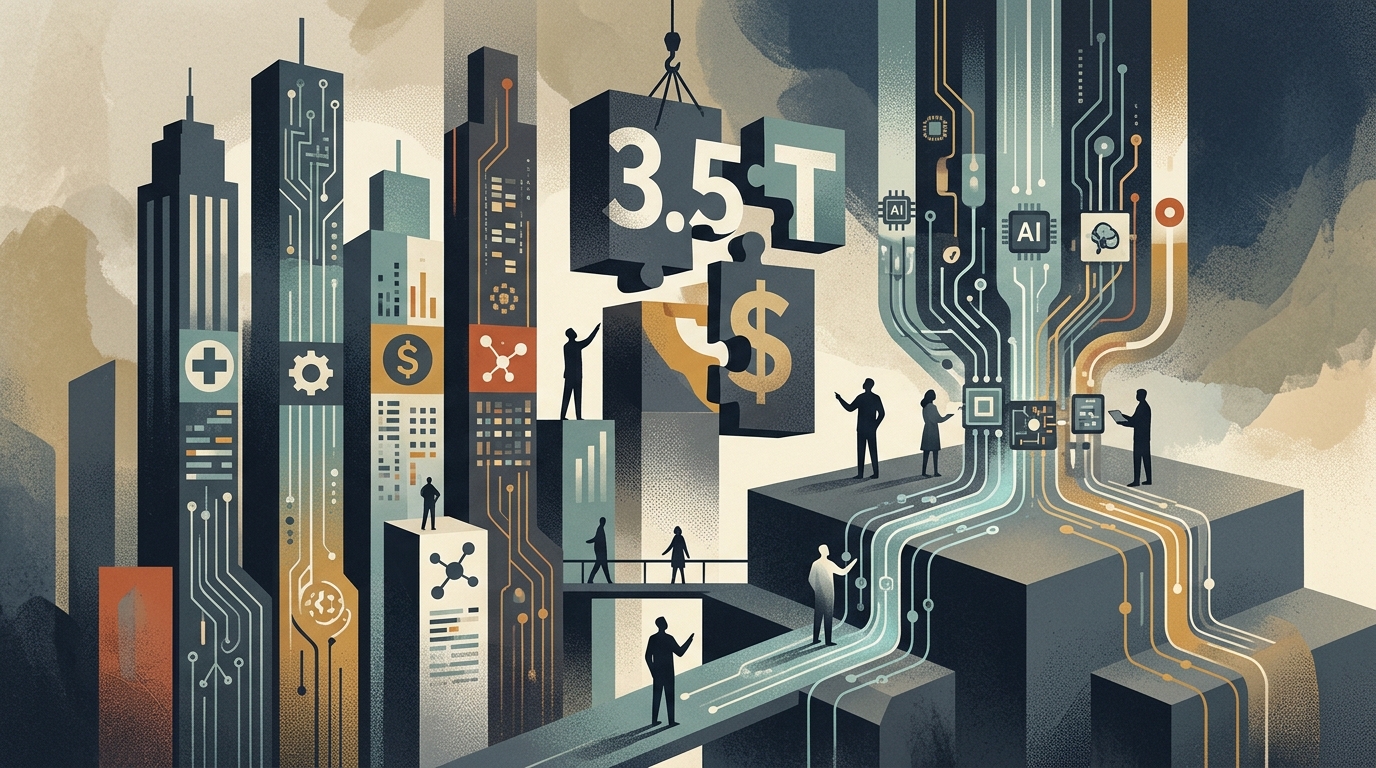
The formal exploration of a merger between Tesla and SpaceX, aiming for a combined valuation of approximately $3.5 trillion, represents a watershed moment for the global business landscape. This potential union seeks to create a closed-loop ecosystem for 'physical AI,' integrating everything from orbital connectivity to terrestrial robotics. Despite the strategic logic, the path is fraught with governance complexities. Elon Musk, recused from negotiations due to his significant stakes in both firms, has described the process as an 'odd kabuki dance.' For the deal to proceed, it requires the approval of 50% of all outstanding Tesla shares—a high hurdle given the potential dilution of Tesla stock and the capital-intensive nature of SpaceX’s launch goals.
"SpaceX’s 'Super Intelligence' unit recorded $7.56 billion in revenue in Q3, providing critical computing power to industry giants like Alphabet and Anthropic."
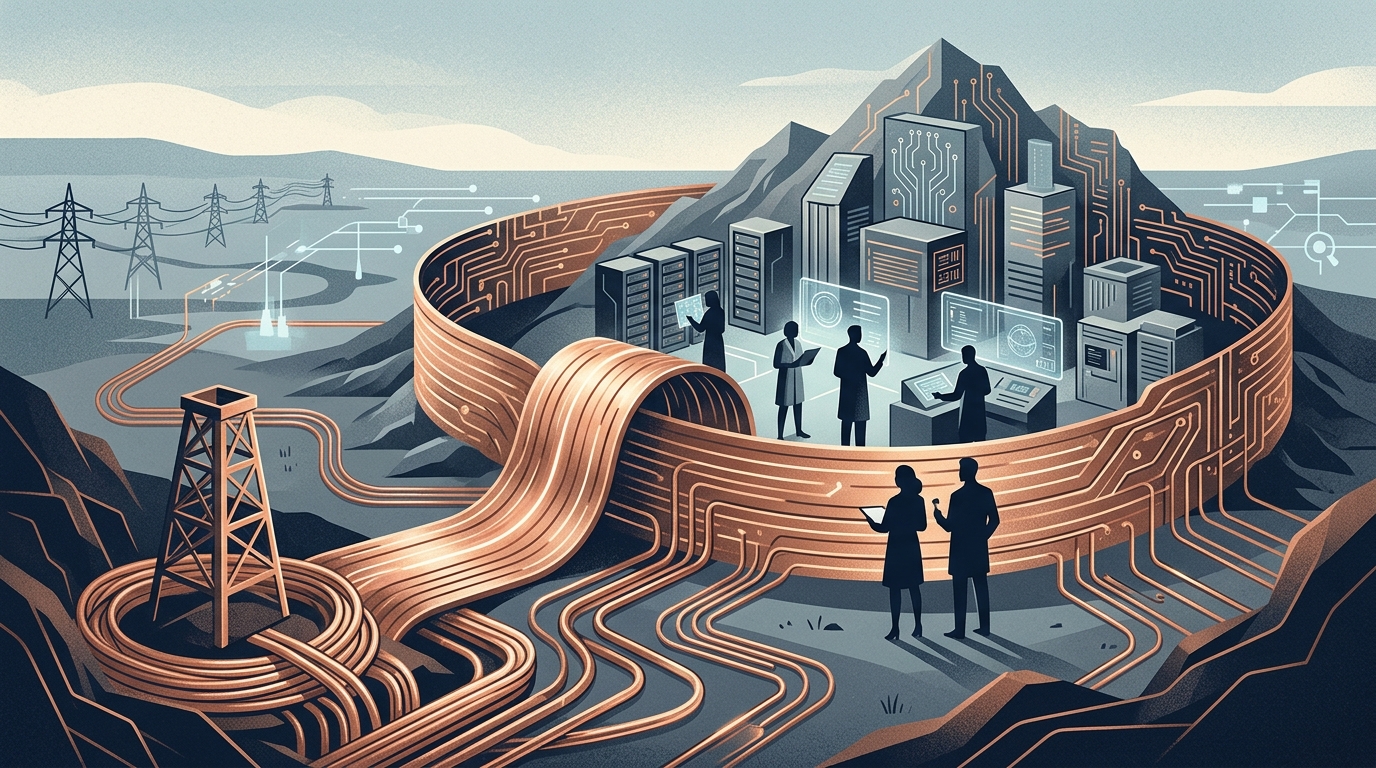
The Physical Backbone of the AI Economy
Market indicators suggest that the era of speculative software valuations is being challenged by the hard reality of physical infrastructure. This is evident in the United States, which currently hosts over 5,000 data centers, with projections of a 9% annual expansion through 2030. The demand for energy to power these facilities has become a flashpoint. President Trump has proposed that these companies pay 'dividends' to local citizens to mitigate backlash over rising costs. Furthermore, he suggested that large data centers should produce their own electricity and sell the surplus to the grid, potentially leading to a significant reduction in local utility bills.
National Sovereignty and Market Resilience
The push for digital autonomy is manifesting through the protection of critical infrastructure and intellectual property. The US State Department’s recent sanctions against MiraclePlus and Shanghai Zhisuan Technology over the theft of Google’s AI trade secrets highlight this shift. Protecting AI infrastructure has become a matter of national security, affecting the entire investment ecosystem. For investors, the takeaway is clear: the next phase of market growth belongs to those who control the physical backbone—from the chips and satellite constellations like Starmind to the secure data centers that sustain the digital economy.