For decades, the energy debate was trapped in a binary choice: fossil fuels or nuclear power. Today, however, the real revolution of the 21st century appears to transcend the search for a single "magic" source, focusing instead on the integration of diverse technologies into a unified, intelligent network.
From Megawatts to Energy Services
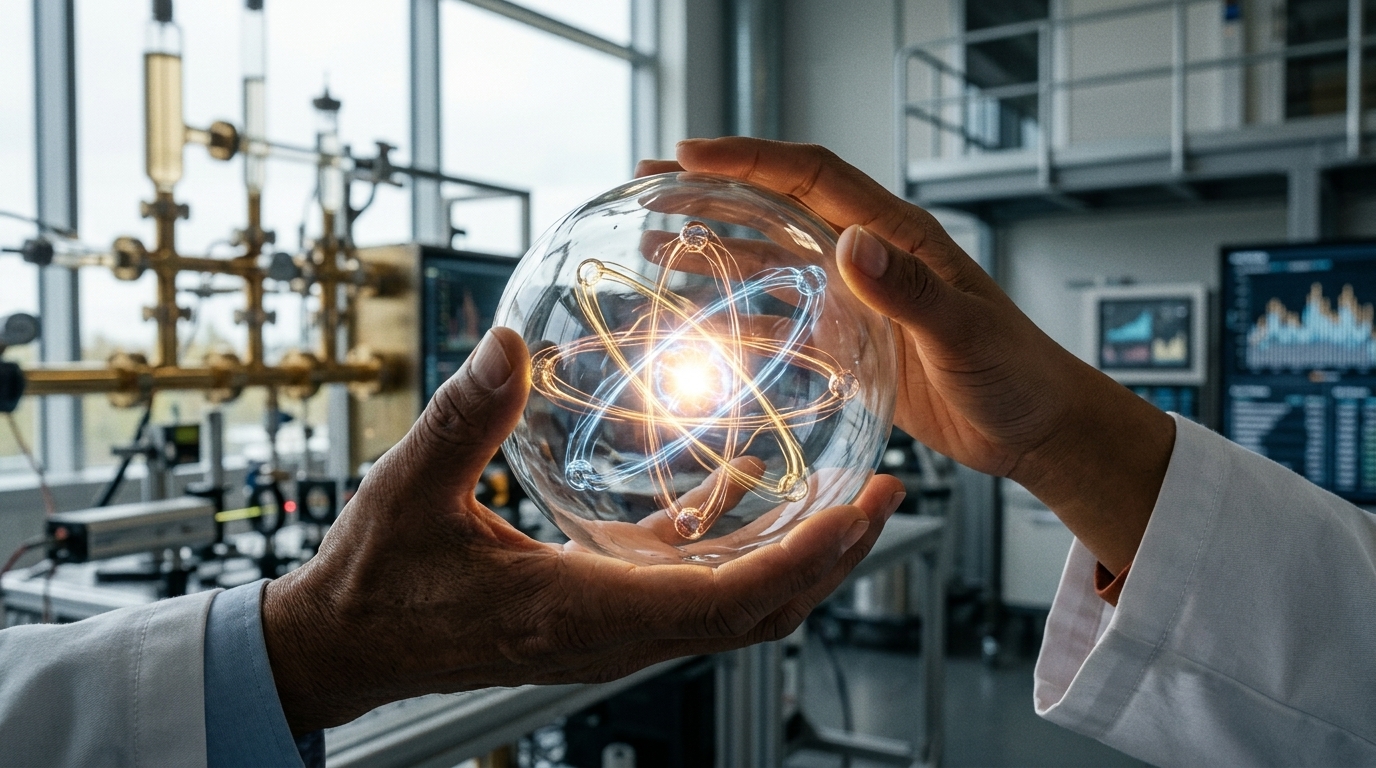
According to the analysis by Dr. Sofoklis Makridis, value in the new energy landscape will no longer be measured solely by electricity production. The transition involves a shift from the "energy source" to the "energy system." A modern nuclear reactor, for instance, no longer just produces power; it provides high-temperature heat for desalination, hydrogen production, and industrial processes.
The same model applies to renewables. The true unit of the future will not be a simple power plant but an "energy hub" that combines:
- Baseload power (e.g., advanced nuclear reactors).
- Variable energy (wind and solar).
- Storage (batteries and thermal storage).
- Energy carriers (hydrogen for shipping and industry).
- Optimization via Artificial Intelligence.
Hydrogen as the Connective Link
Hydrogen is emerging as a catalyst for this change, enabling the conversion of energy into industrial value. It can be produced from surplus electricity or heat and then used in steelmaking, the chemical industry, or as synthetic fuel. In this way, energy ceases to be a mere commodity for consumption and becomes the foundation for a broader economic ecosystem.
Greece's Strategic Opportunity
For Greece, the shift toward integrated systems represents a unique opportunity. The country possesses rich solar and wind potential, geothermal resources, and a strategic maritime geography. Rather than choosing a single technology, Greece can act as a laboratory for integration, combining renewables with storage, hydrogen, and potentially advanced nuclear technologies to meet needs in shipping and desalination.