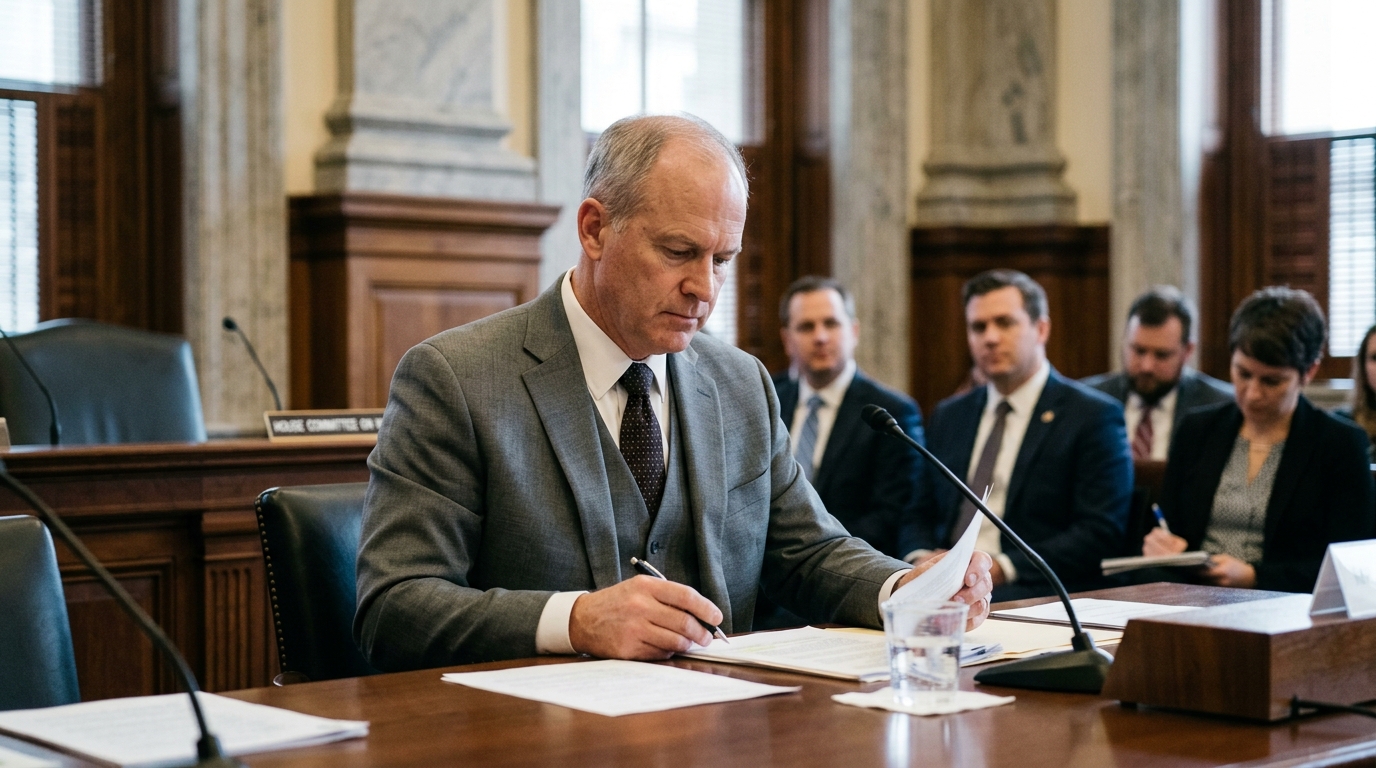
In April 2025, reports emerged regarding a shift in American digital policy. A small office in the U.S. State Department, known as R/FIMI, faced an imminent shutdown. The office had been tasked with monitoring and countering foreign disinformation from actors such as Russia, Iran, and China.
Anatomy of an Allegation
The move followed accusations that R/FIMI served as a central hub for the so-called “censorship-industrial complex.” This term describes a sprawling constellation of government agencies, academics, civil society groups, and Big Tech platforms. Critics allege these entities conspire to suppress conservative and populist speech online under the guise of combating disinformation.
- The narrative was championed and spread by a network of well-funded conservative media platforms and non-profits.
- The concept migrated from the fringes of the internet to become a mainstream political framework.
- The R/FIMI office was specifically targeted as a key component of this alleged network.
From Theory to State Policy
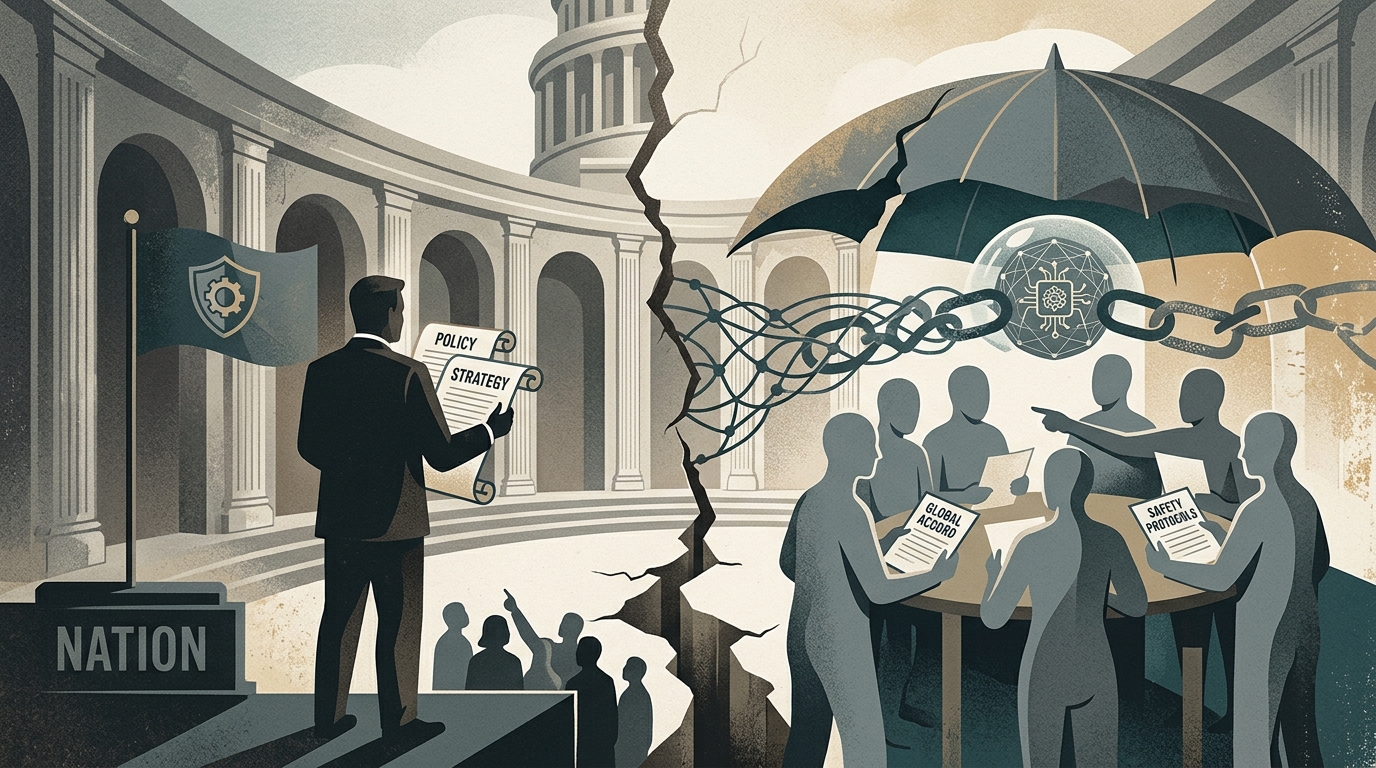
This weaponization of ideas about censorship has moved beyond rhetoric to become a prevailing logic behind much of the second Trump administration’s domestic and foreign policy. The implications extend beyond Washington, affecting the billions of people globally who interact and receive information online.
The focus on dismantling these mechanisms reflects a change in how the United States approaches the management of information and free speech, creating a ripple effect across the global information ecosystem.