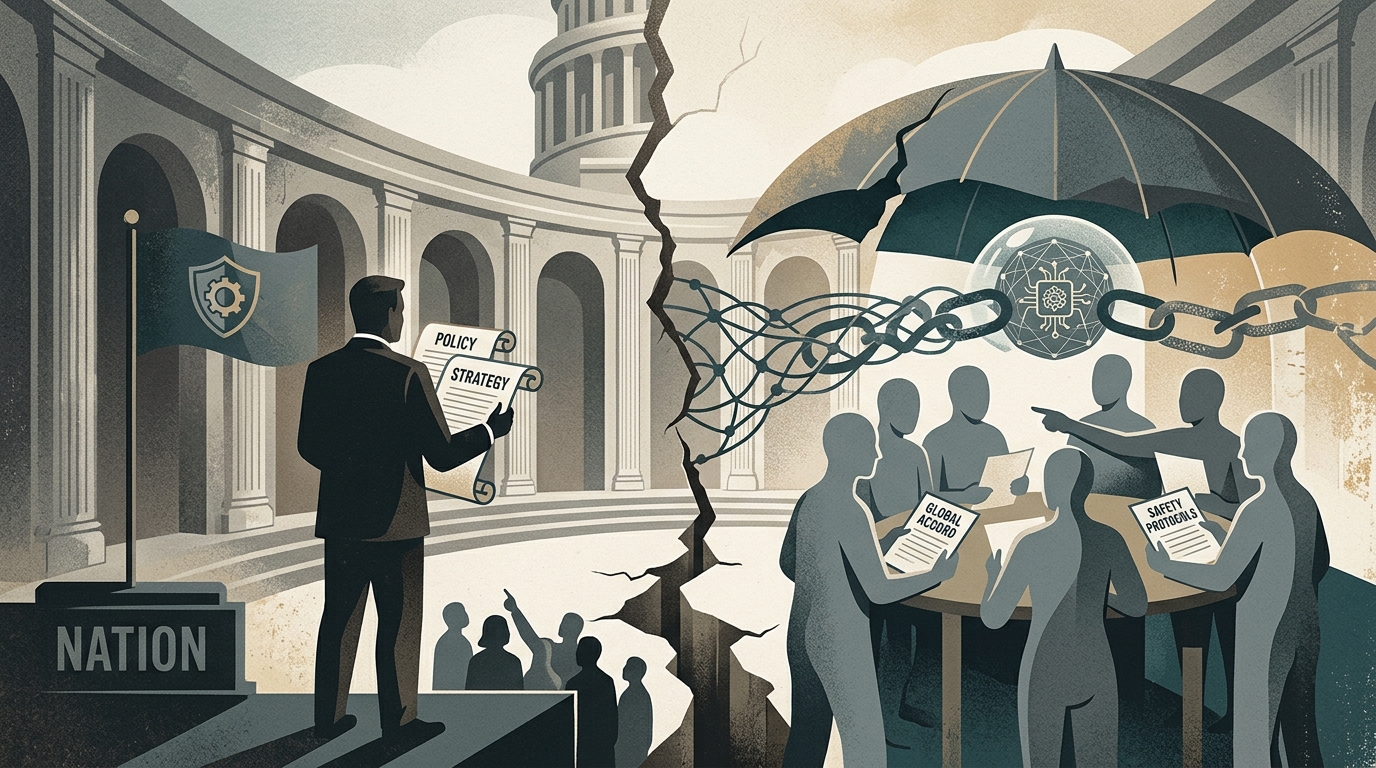
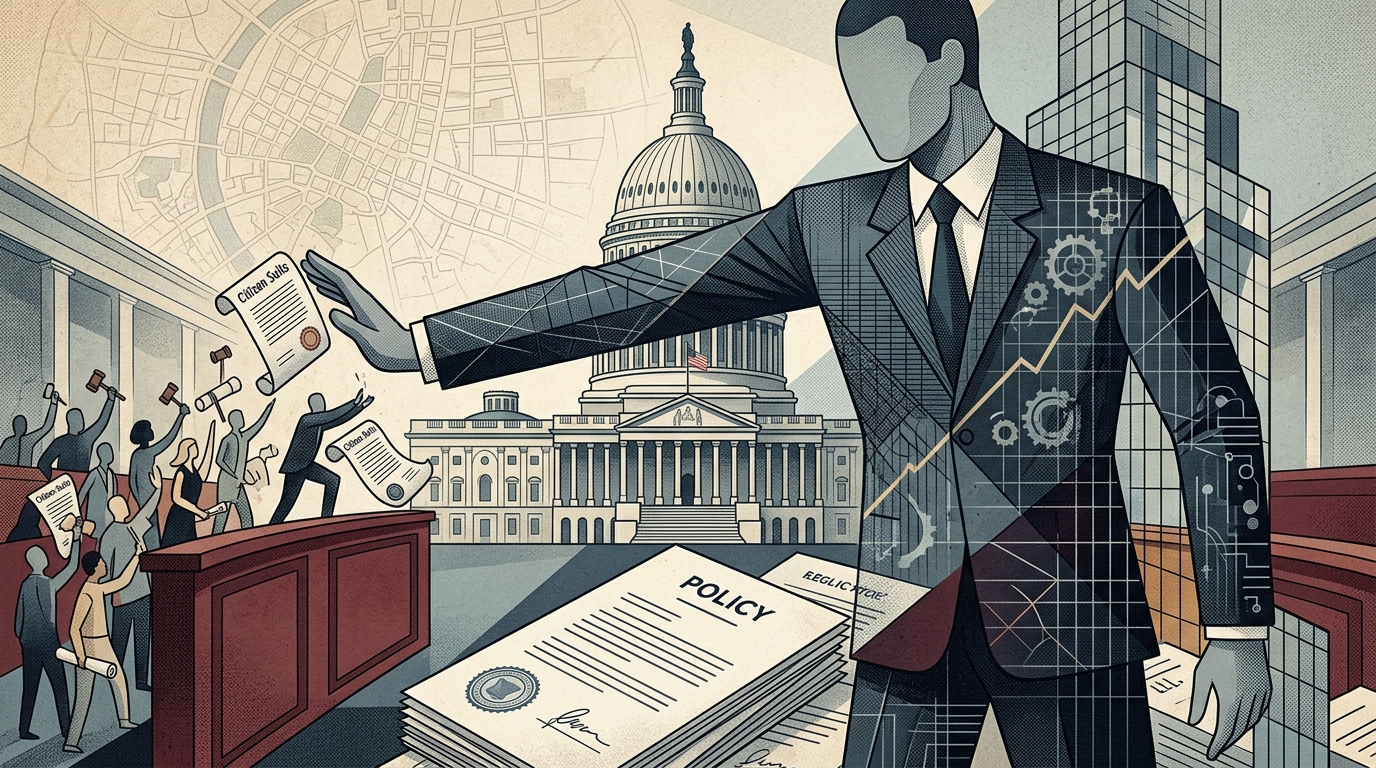
In my analysis, the legal challenge launched by xAI, supported by the Trump administration and legal activists, represents a fundamental shift in the architecture of democratic governance. The core of this dispute lies in the right of private citizens and local governments to sue over violations of federal law—a mechanism long considered a cornerstone of environmental and social protection. By arguing that the U.S. Constitution reserves enforcement power exclusively for the President and federal agencies, the challengers seek to dismantle the 'citizen suit' as a tool of public accountability.
The Tension Between Executive Power and Civic Rights
The current challenge posits that Congress overstepped its bounds by granting enforcement powers to private entities. Proponents of this shift, such as the Pacific Legal Foundation, argue that government enforcement ensures accountability, whereas private lawsuits are driven by unelected activists who force defendants to expend resources. However, from a policy perspective, this creates a significant vacuum. As noted by legal experts, the federal government often lacks the political will or resources to pursue every violator, especially when the government itself may be the polluter. The potential loss of these legal tools threatens to turn vulnerable communities into 'sacrifice zones' with no legal recourse against local harms.
National Security as a Governance Shield
The intervention of the Trump administration in the NAACP’s lawsuit against xAI introduces a concerning precedent regarding 'unreviewable authority.' By claiming that the operation of unpermitted gas turbines is essential for AI supporting the Department of War, the administration suggests that national security interests can effectively veto the legal standing of citizens. This framework prioritizes rapid technological deployment over the established regulatory process.
"The legal world has been waiting 26 years for this 'shoe to drop,' following a 2000 Supreme Court opinion that first raised fundamental questions about the constitutionality of private enforcement."
Ultimately, the resolution of this challenge will determine whether the power to uphold federal law remains a shared democratic responsibility or becomes a centralized prerogative of the executive branch, shielded from the oversight of the very citizens it is meant to protect.