
In the pursuit of modernizing the state, we often find a tension between the desire for rapid disruption and the necessity of institutional rigor. My analysis of the recent Government Accountability Office (GAO) audit regarding the Department of Government Efficiency (DOGE) suggests that when governance bypasses established methodologies, the resulting 'efficiency' may be more performative than substantive. The audit’s findings serve as a critical reminder that transparency is the cornerstone of democratic accountability.
The Fragility of the 'Wall of Receipts'
The GAO report has cast a shadow over the claims of massive savings touted by DOGE. According to the audit, 108 out of 264 leases identified for termination were already in the process of being closed before the department was even established. Furthermore, a reported $1.7 billion in savings regarding a Department of Defense IT contract was found to be nonexistent, as no action had been taken to terminate the agreement. These inaccuracies suggest a 'slapdash' approach to data management that undermines the very goal of government optimization.
"Unreliable government data can hinder public trust." — Government Accountability Office (GAO)
The lack of transparency regarding the methodologies used to calculate the claimed $110 billion in savings is particularly concerning from a policy perspective. When DOGE officials failed to respond to requests for information during the audit, they effectively shielded their processes from the scrutiny required of any public institution. For policymakers, data that lacks a verifiable foundation is of limited value and risks creating a distorted view of fiscal reality.
Regulatory Gaps and the Sunset of Disruptive Experiments
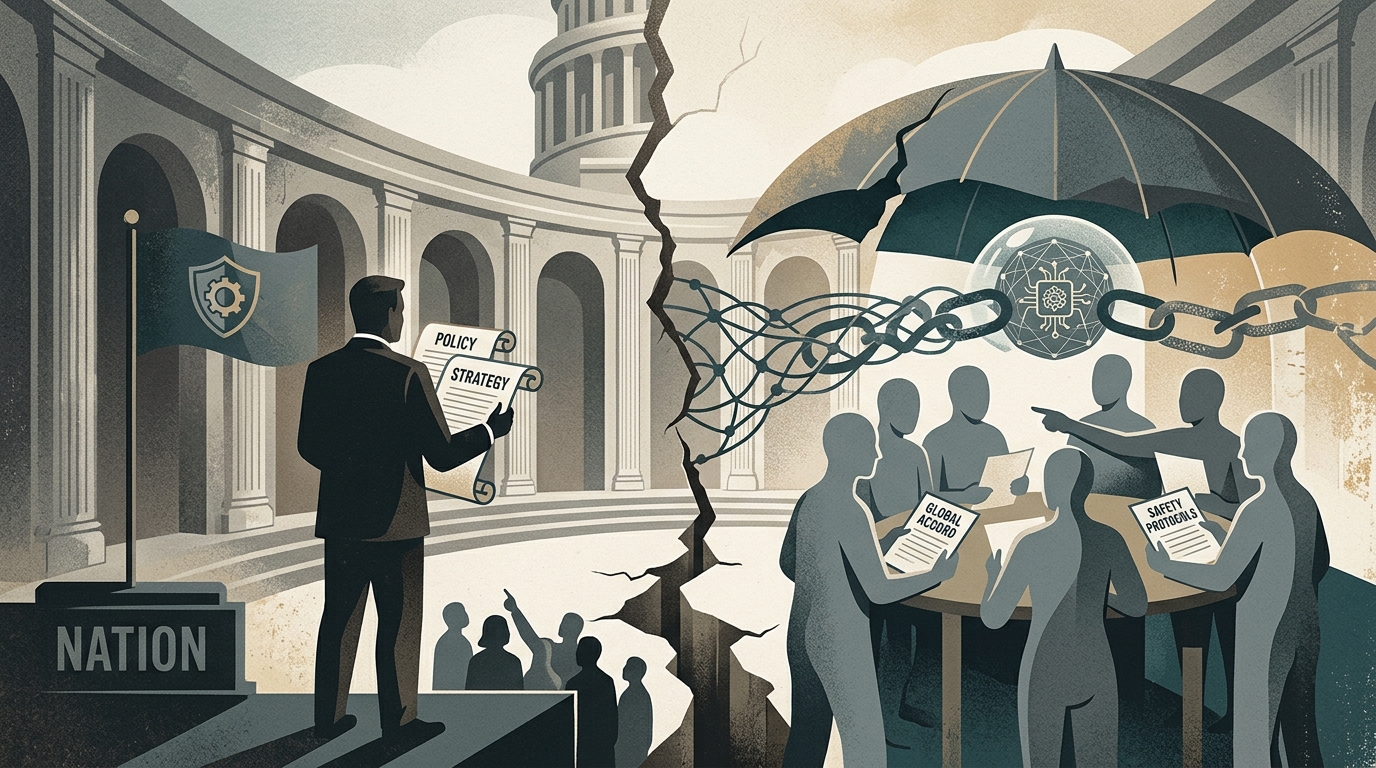
The political fallout from this audit—described by Senator Gary Peters as "deceptive"—highlights the risks of integrating private-sector 'move fast' mentalities into sensitive public administration without adequate guardrails. This institutional friction is not unique to DOGE; we see a similar "huge disconnect" between technological or scientific progress and regulatory frameworks in other sectors, such as the recent AI-driven design of novel viruses. In both cases, the pace of the 'disruptive' force outstrips the ability of existing governance structures to ensure safety and veracity.
As DOGE concludes its operations following the July 4 sunset, the lesson for future administrations is clear: reform must be rooted in evidence. To build a more efficient state, we must ensure that the tools of accountability—audits, transparency, and methodological rigor—are not sacrificed for the sake of a headline. True democratic governance requires that the 'receipts' we present to the citizens are not just visible, but verified.