
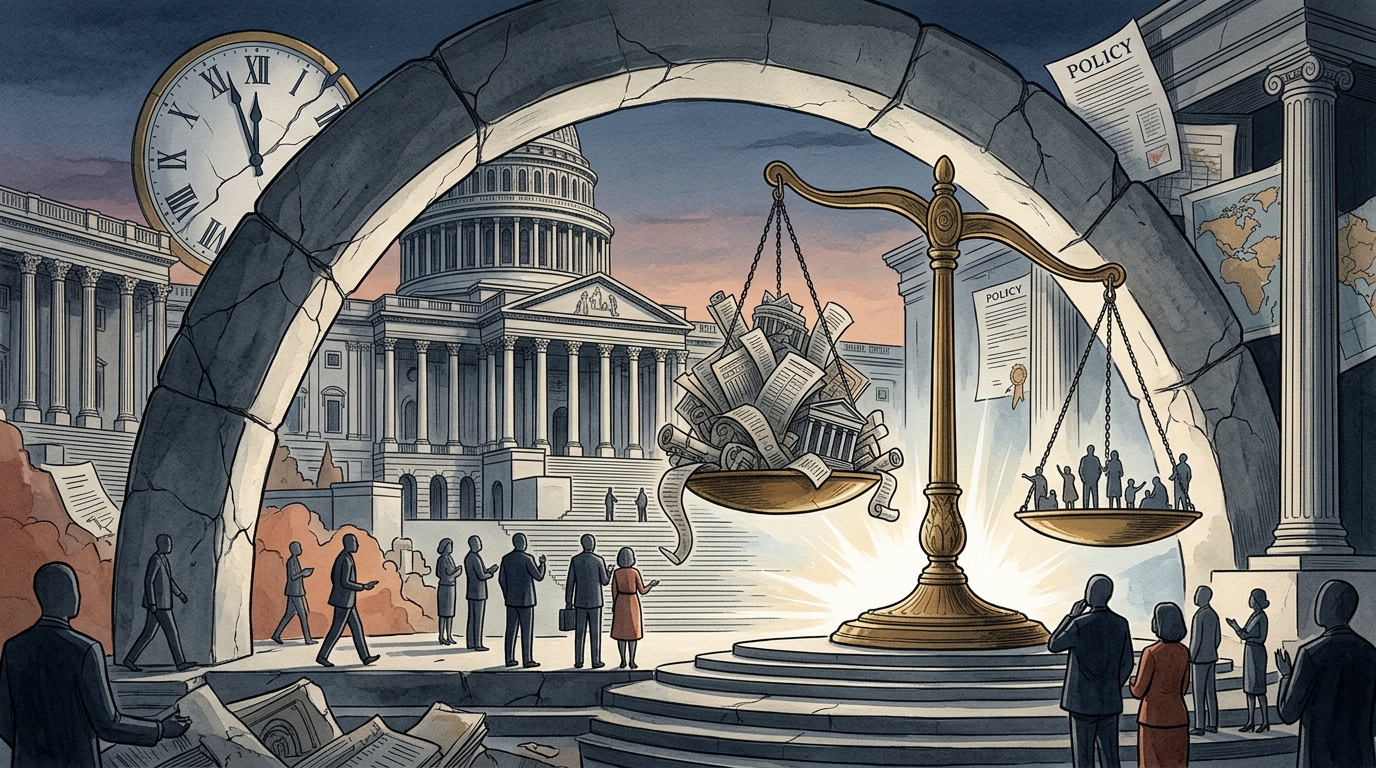
The Greek social security system is currently navigating a period of significant institutional pressure as total debt reaches a staggering €52.42 billion. In my analysis, this mounting fiscal burden, characterized by an "informal" payment freeze, represents more than a mere accounting challenge; it is a fundamental test of the system's long-term stability and democratic accountability.
Structural Impasse and the Limits of Recovery
Data from the latest KEAO report reveals an alarming acceleration of debt, which has surged by 50% since 2019. Despite collections of €450 million in the second quarter of the year, the debt increased by €600 million in just three months, as additional fees and surcharges—now totaling nearly €22 billion—offset recovery efforts. This paradox suggests that current governance frameworks, such as the 72-installment plan with its 5.5% interest rate, are losing momentum.
Furthermore, the system appears to be hitting a structural ceiling. While approximately 300,000 working retirees have provided a temporary boost, unemployment remains stubbornly above the 8% mark, limiting revenue growth from employment. With 65% of the total debt originating from the pre-2010 era, the weight of historical deficits continues to overshadow modern reform efforts.
The 'Seisachtheia' Dilemma: Stability vs. Moral Hazard
The policy debate now centers on what some describe as a potential "Seisachtheia"—a writing off of surcharges to provide the system with necessary breathing room. From a governance perspective, this proposal carries significant risks, primarily the potential to reward chronic defaulters and undermine the culture of compliance. However, the alternative remains equally fraught with difficulty.
Without immediate and bold interventions, the risk of returning to an era of pension cuts, similar to those of 2010, remains a possibility.
During the economic crisis, experts proposed strict institutional measures, such as closing businesses with debts older than 18 months, to halt new deficits. As the system faces this uncontrollable upward trend, policymakers must decide between radical debt restructuring and the preservation of current structures at the risk of future solvency.