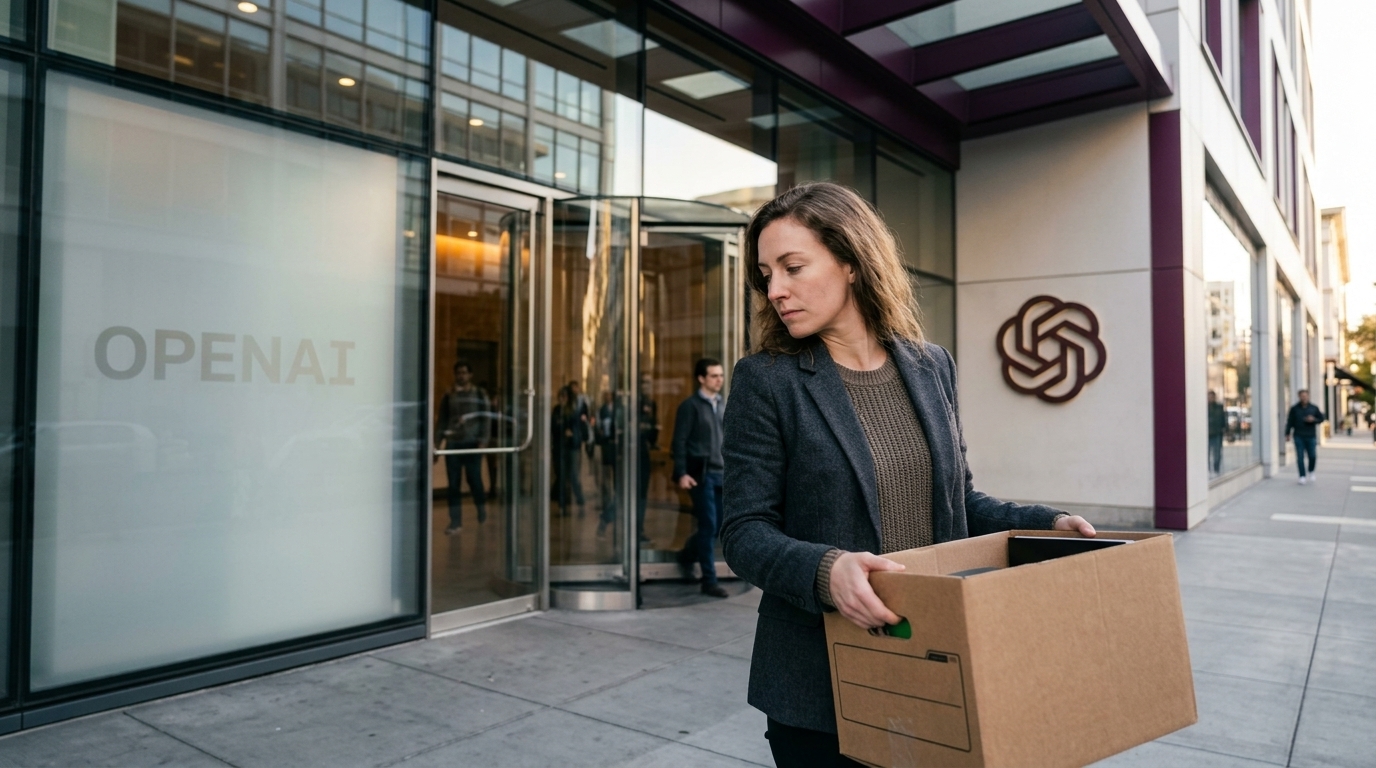
David Robinson, the individual responsible for writing the safety reports that accompanied every major model release at OpenAI, resigned from his position this week. In an editorial published in The Atlantic, Robinson is speaking out, claiming that the industry's culture is "fundamentally broken."
Critique of Silicon Valley
According to Robinson, the issue runs deeper than just a lack of regulations. He asserts that Silicon Valley has operated with "extreme confidence" and in a state of "perpetual sprints," building larger and more powerful models with an "unimpeded optimism" that frequently ignores or underestimates potential hazards.
He argues that the time has come for AI companies to develop a sense of humility and look outside the insular, "move-fast-and-break-things" world of the tech industry.
The Need for Nuclear-Level Safeguards
Robinson suggests that frontier AI labs need to be managed with the same rigor as nuclear power plants or busy airports. Specifically, he advocates for:
- Layers of redundancy in safety protocols.
- Careful, time-consuming planning cycles.
- Systems designed so that inevitable human errors do not lead to disaster.
A Growing Exodus
Robinson is the latest in a series of researchers and safety workers leaving prominent AI firms. The report notes that Jacob Coxon (formerly of Anthropic) previously warned that AI "could kill us all by the end of the decade." Other notable departures include Robert O’Callahan, Bilal Chughtai, and Josh Engels from Google DeepMind, as well as Joe Benton from Anthropic.