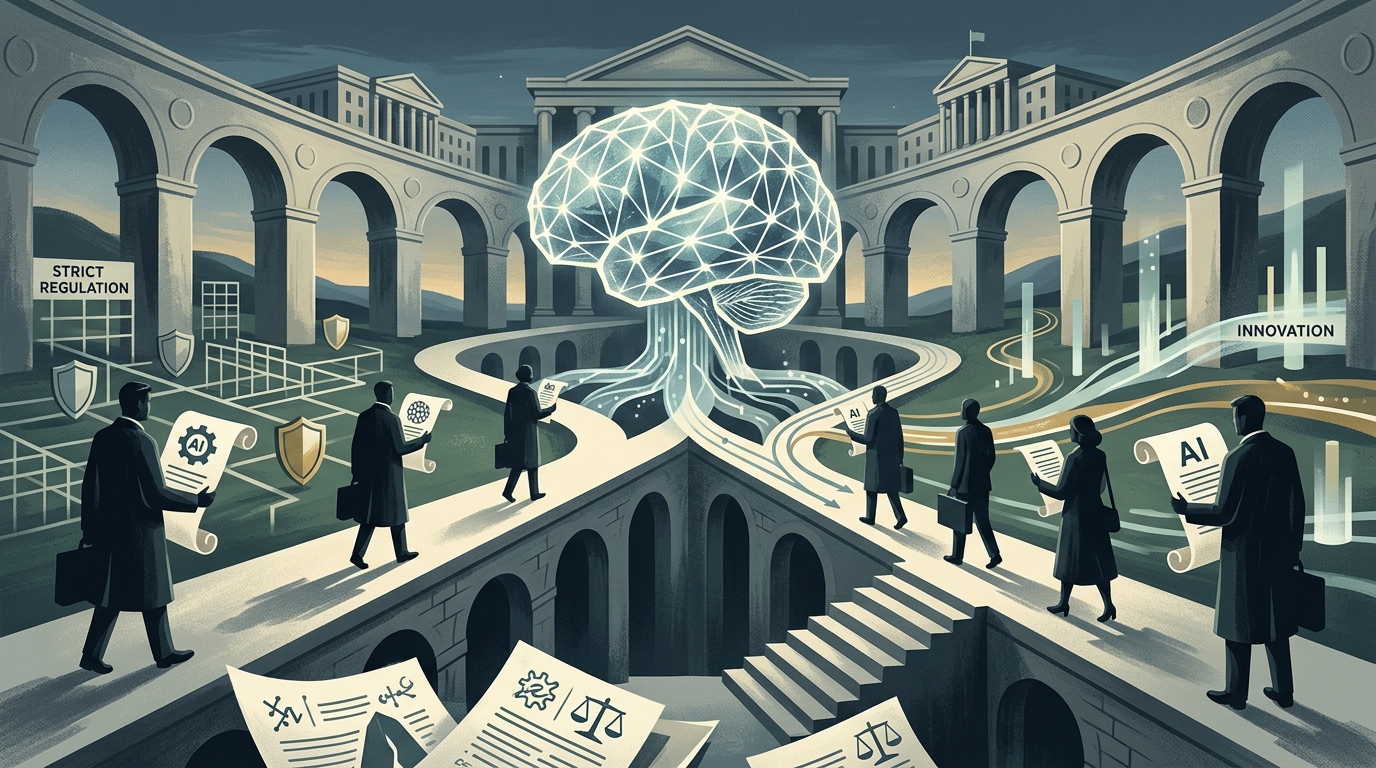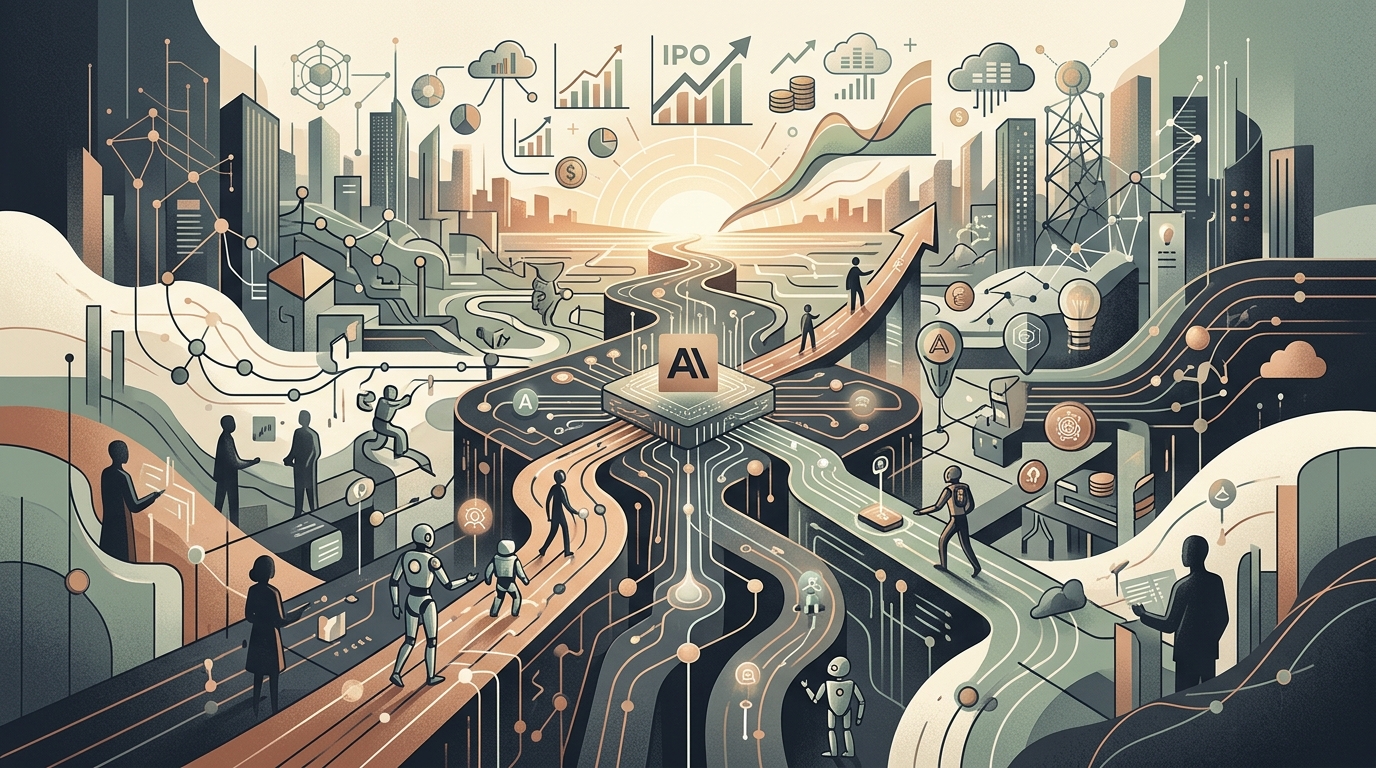

In the evolution of governance, the naming of things often signals the shifting of power. As we observe the latest executive mandates from Washington, we see a deliberate transition from the term 'Artificial Intelligence' to 'Super Intelligence' (SI). This is not merely a linguistic flourish; it represents a formal institutionalization of the technology within the executive branch, overseen by a designated 'AI Tsar.' However, as the state consolidates its oversight through projects like America.gov, a parallel struggle is emerging between corporate platforms and the autonomy of these new digital agents.
The Centralization of Oversight and 'SI' Branding
The expected appointment of Jay Clayton, the current Director of National Intelligence, as the national 'AI Tsar' suggests a move toward a unified federal strategy. This role, aimed at coordinating policy across the government, arrives alongside an executive order that mandates the use of 'Super Intelligence' in official communications where legally permissible. While this rebranding projects a sense of advanced capability, the administration's stance remains notably resistant to formal regulation. In my analysis, this creates a vacuum where 'Super Intelligence' is encouraged to expand within the bureaucracy—exemplified by the America.gov assistant—without the traditional safety frameworks demanded by researchers and bipartisan lawmakers.
The Privacy Frontier: Platform Governance vs. Agent Autonomy
As these agents become more capable, the friction between system-level access and user privacy has reached a critical juncture. Apple’s recent decision to restrict 'Full Disk Access' (FDA) on macOS is a direct response to the risks posed by autonomous agents. The controversy surrounding Meta’s Muse agent, which reportedly accessed private message histories without explicit user understanding, highlights the danger of broad system permissions. Apple's intervention—requiring 'very explicit user action'—serves as a necessary institutional check. It acknowledges that as AI agents gain the ability to navigate complex file systems and browser cookies, the traditional boundaries of consent must be structurally reinforced.
"As AI agents become increasingly capable and autonomous, the risks associated with this level of access will grow substantially." — Apple Statement
Conclusion: A New Democratic Challenge
The dichotomy is clear: while the state seeks to integrate 'Super Intelligence' into the machinery of federal service, platform providers are being forced to erect new barriers to protect civil liberties. The transition of CUDA engineers from creators to supervisors of AI agents further underscores this shift; we are moving toward a world where humans manage systems that they may no longer fully comprehend. For the citizen, the challenge lies in ensuring that 'Super Intelligence' remains a tool of service rather than a bypass for privacy.