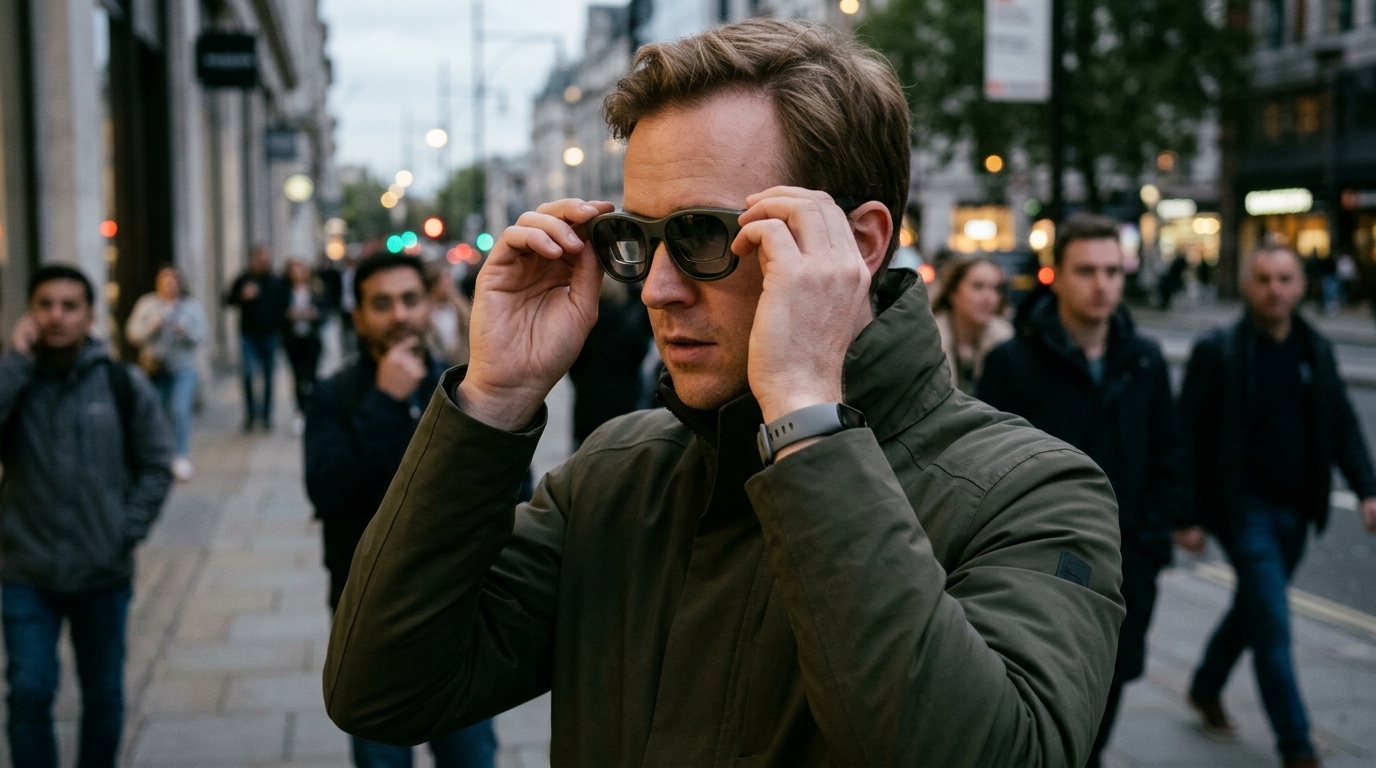
In an era where facial recognition and biometric scanning are becoming commonplace, a new "arms race" for privacy protection is underway. At the center of this conflict are Meta’s smart glasses, which have earned the derogatory nickname "pervert glasses" due to their ability to record unsuspecting individuals in public spaces.
A New Threat to the Public Sphere
Concerns are far from baseless. Meta is already facing legal challenges following a study revealing that company subcontractors viewed users' most intimate moments. Jim Waldo, a computer science professor at Harvard, notes that the combination of smart glasses with AI and facial recognition creates an environment for which society is not yet prepared.
"They’re making it safe for the consumer," Waldo told Fortune. "They’re not making it safe for the people around the consumer."
Harassment Culture and "Ambient Capture"
A study by University of Sydney researchers has brought to light alarming data regarding the use of these devices by the "pick-up artist" community. According to the research, 60% of the analyzed videos involved behavior classified as harassment. In many instances, women were subjected to derogatory commentary or even doxxing, as they were recorded without their knowledge through "ambient capture."
While the glasses feature a white LED that blinks during recording, experts argue this is insufficient to ensure consent, especially when the device is so discreet it doesn't immediately signal the presence of a camera.
Desperate Measures and Legal Gaps
Citizens are employing imaginative methods to protect themselves:
- Copyrighted Songs: Many believe that singing Disney tracks will force social media algorithms to take down the footage due to copyright strikes. However, legal experts warn this is not a foolproof solution.
- Detection Apps: The "Nearby Glasses" app, developed by Professor Dr. Yves Jeanrenaud, has surpassed 100,000 downloads, notifying users when smart glasses are detected nearby.
- Face Markings: Some are using specific makeup or markings to confuse facial recognition systems.
Attorney Gene Kang emphasizes that the issue is primarily one of privacy rather than copyright. While holding up a phone implies recording, discreet glasses negate the concept of "implied consent," opening the door for potential legal claims.