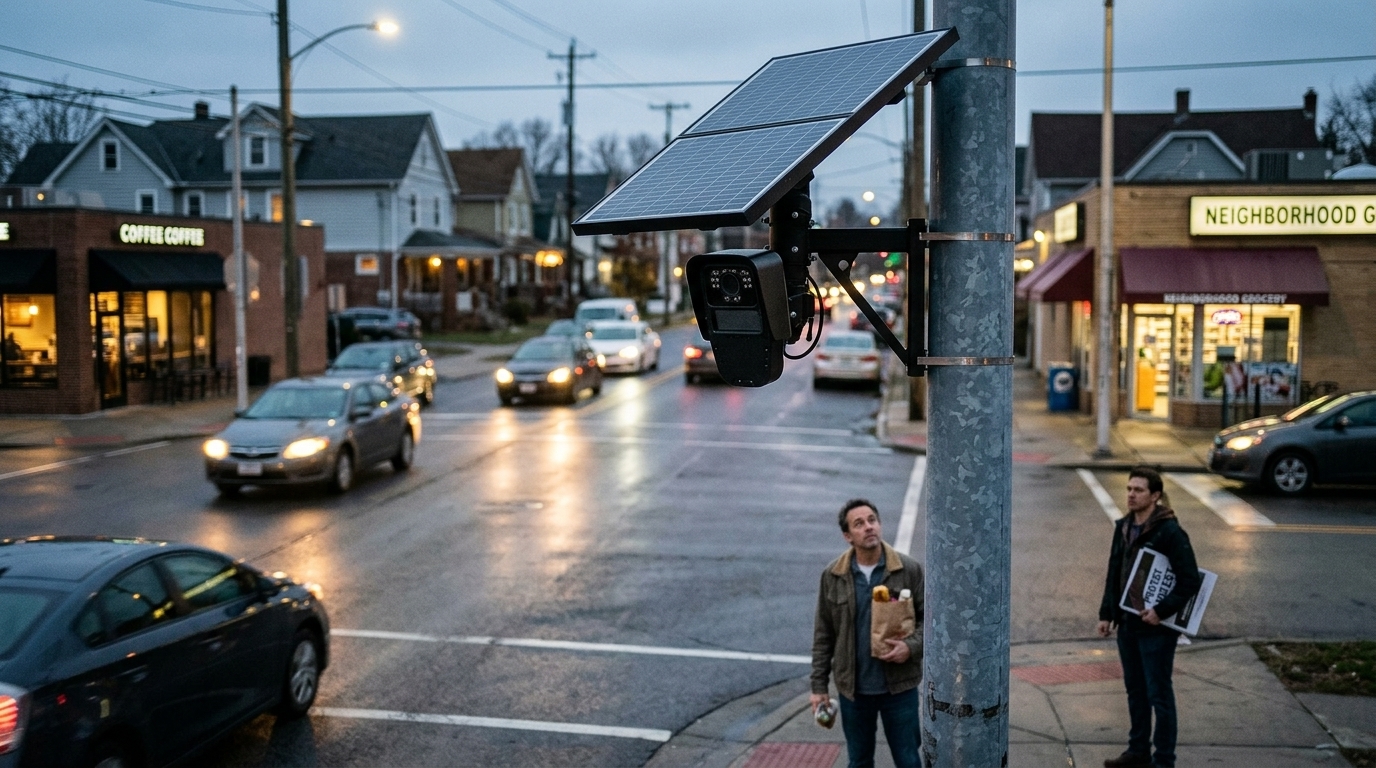
The proliferation of Flock Safety’s automatic license plate reader (ALPR) systems has transformed American roadways into an AI-powered surveillance network. With over 120,000 cameras deployed nationwide, Flock’s technology does more than read plates; it identifies vehicle make, model, and color, enabling the tracking of citizen movements throughout the day.
A Mea Culpa and New Safeguards
Following reports of law enforcement officers abusing the tools to stalk former romantic partners, Flock CEO Garrett Langley delivered a public mea culpa. The company is now rolling out mandatory updates, including an "Audit Assistance" feature that flags abnormal search behavior and locks out suspicious users. Furthermore, all users will be required to enter specific case codes to perform searches, a move intended to prevent the use of the system for personal or nefarious motives.
Backlash and Contract Cancellations
Public distrust of Flock’s technology is reaching a breaking point. Los Angeles has suspended its use of the cameras, and Amazon-owned Ring canceled a planned partnership following significant backlash. Incidents of "false positives," such as a journalist in Minnesota being ambushed by police due to an incorrect stolen plate alert, have heightened fears regarding the reliability of computer-led policing.
Security Vulnerabilities and Outsourcing
Beyond privacy ethics, Flock faces scrutiny over data security. Investigations revealed that live feeds from dozens of Condor cameras were left exposed on the web without password protection. Additionally, reports surfaced that AI annotators in the Philippines were being used to classify American license plate data. Public hostility has even manifested in physical resistance, with a congressional candidate in Tennessee recently charged for felony vandalism after allegedly shooting at Flock camera systems.