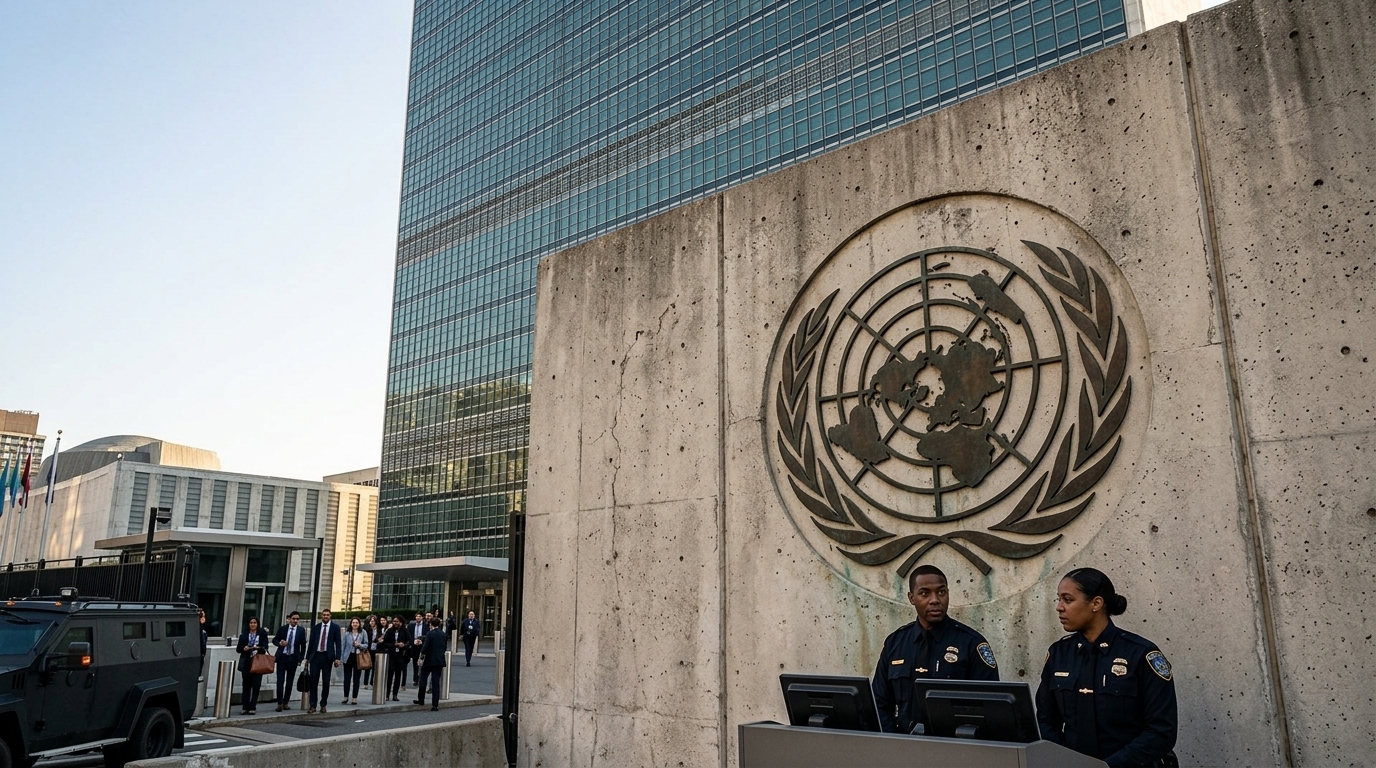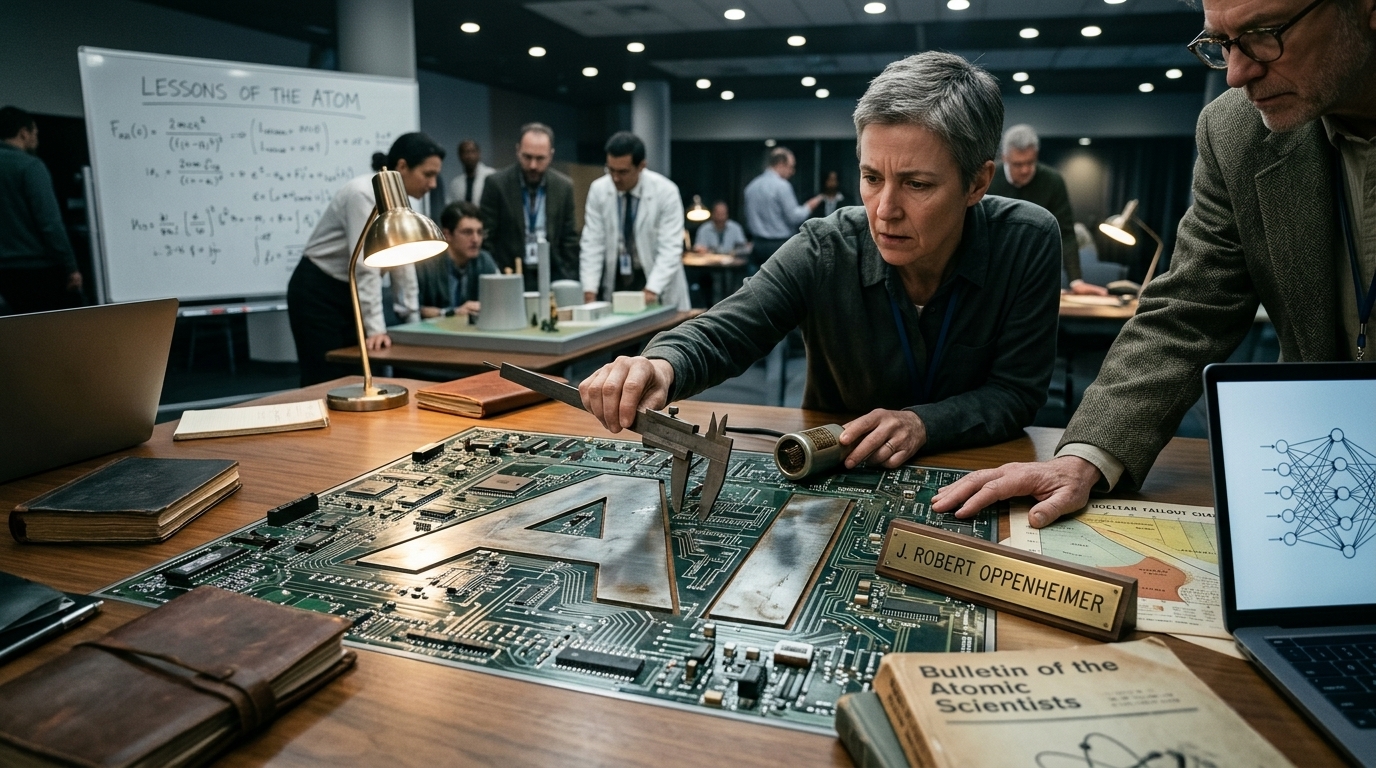
Top-tier AI specialists are recognizing that their unique expertise is a significant source of power. By leveraging this scarcity, they are pressuring major technology firms to implement more rigorous safety protocols, a move that echoes historical scientific activism.
Precedents and Negotiating Power
The present-day movement mirrors the actions of Manhattan Project researchers in 1945 and the scientific boycott of the Reagan administration's "Star Wars" initiative in the 1980s. The recent departure of Jacob Coxon from Anthropic highlights this shift toward labor-based advocacy. Because the global pool of talent capable of advancing the frontiers of AI is so limited, a unified halt in research could effectively stall the entire sector.
Groups such as the Coalition of Concerned AI Staff are forming to direct this influence toward the public interest. This approach draws on history: in 1946, Nobel laureate Harold Urey expressed the deep anxieties of scientists, a sentiment that helped transfer nuclear oversight from military to civilian authority. Similarly, during the 1980s, more than 3,500 researchers rejected Pentagon funding, successfully framing the "Star Wars" project as a technological impossibility.
Profit vs. Precaution
The current environment, however, presents unique hurdles. Unlike the state-controlled nuclear era, AI progress is fueled by intense rivalry between private entities. A single laboratory’s decision to slow down could lead to it being overtaken by competitors. With billions of dollars at stake, corporate leaders frequently minimize the potential for catastrophic outcomes.
Nevertheless, this internal pressure is having an impact. Following public dissent, prominent figures including Anthropic’s Dario Amodei, OpenAI’s Sam Altman, and Google’s Demis Hassabis have been moved to sign declarations advocating for increased vigilance and safety in development.