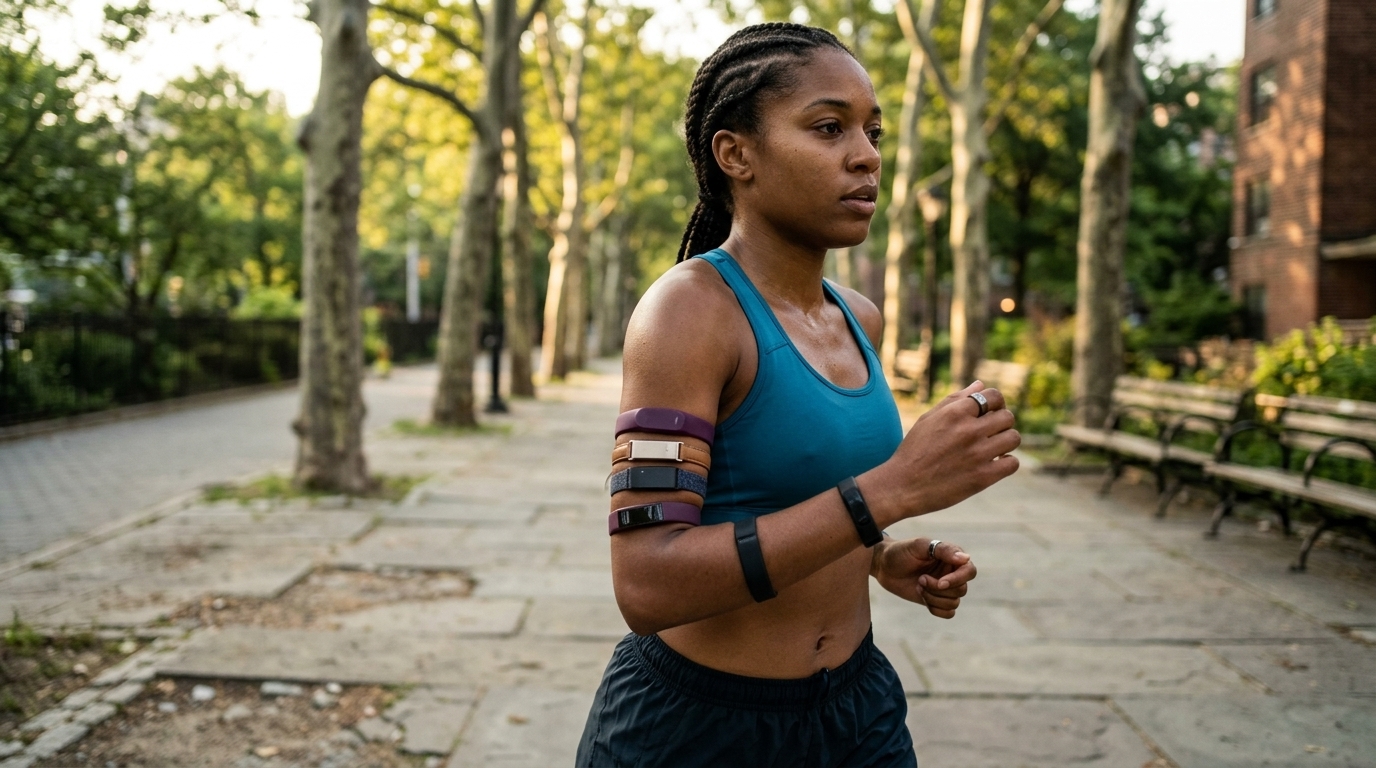
A new kind of gadget is hitting the shelves, designed for you to ignore it 99 percent of the time. These screen-free wearables, such as the Garmin Cirqa, Google Fitbit Air, and Polar Loop, collect health stats day and night without demanding your immediate attention. This trend is a direct response to the burnout caused by constant notifications and "attention-hoarding" technology.
A Return to Minimalism
This new generation of trackers feels like a callback to the early days of Fitbit in 2009, when devices were simple clips attached to clothing. Today, companies like Whoop—which originally launched as a performance system for elite athletes—have shifted toward the general consumer market, offering systems to help anyone improve their sleep and well-being without the need for a flashing OLED screen.
The Role of Artificial Intelligence
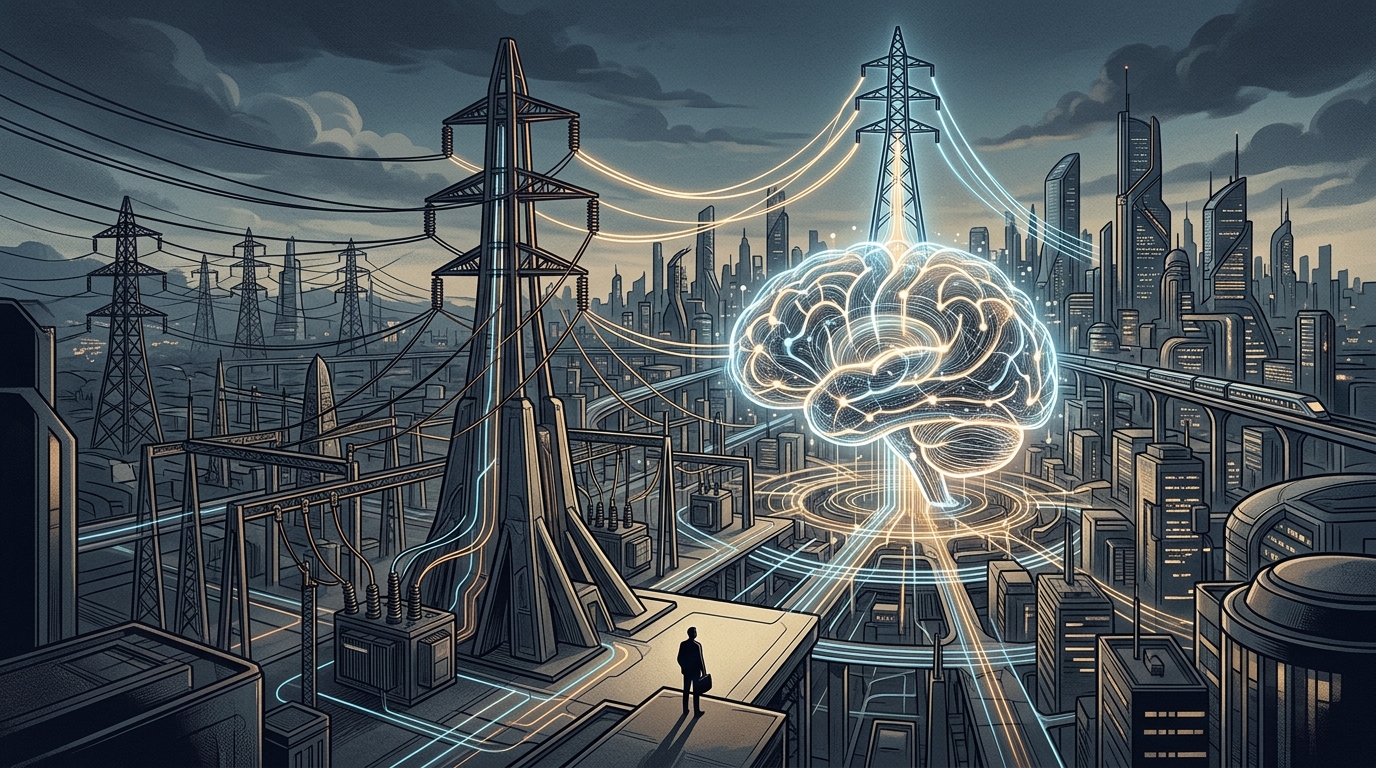
The absence of a screen does not mean less technology. On the contrary, Artificial Intelligence (AI) is taking over the role of data interpreter. For instance, Google’s Fitbit Air utilizes Google Health Premium to turn raw graphs into narrative explanations of what the metrics mean for the user's daily life. According to Peter Richardson of Counterpoint Research, the use of AI in monitoring and guiding wellness is still in its early stages but is set to become significantly more advanced.
Digital Mindfulness
Elizabeth Marsh, a researcher at the University of Nottingham, notes that digital tools consistently trigger "technostress" and blur the boundaries between work and home life. Screen-free wearables offer a parallel solution, allowing for data collection without the constant distraction of wrist-based alerts. Marsh suggests adopting "digital mindfulness," which focuses on intention, attention, and a kind attitude toward one's own technology habits.