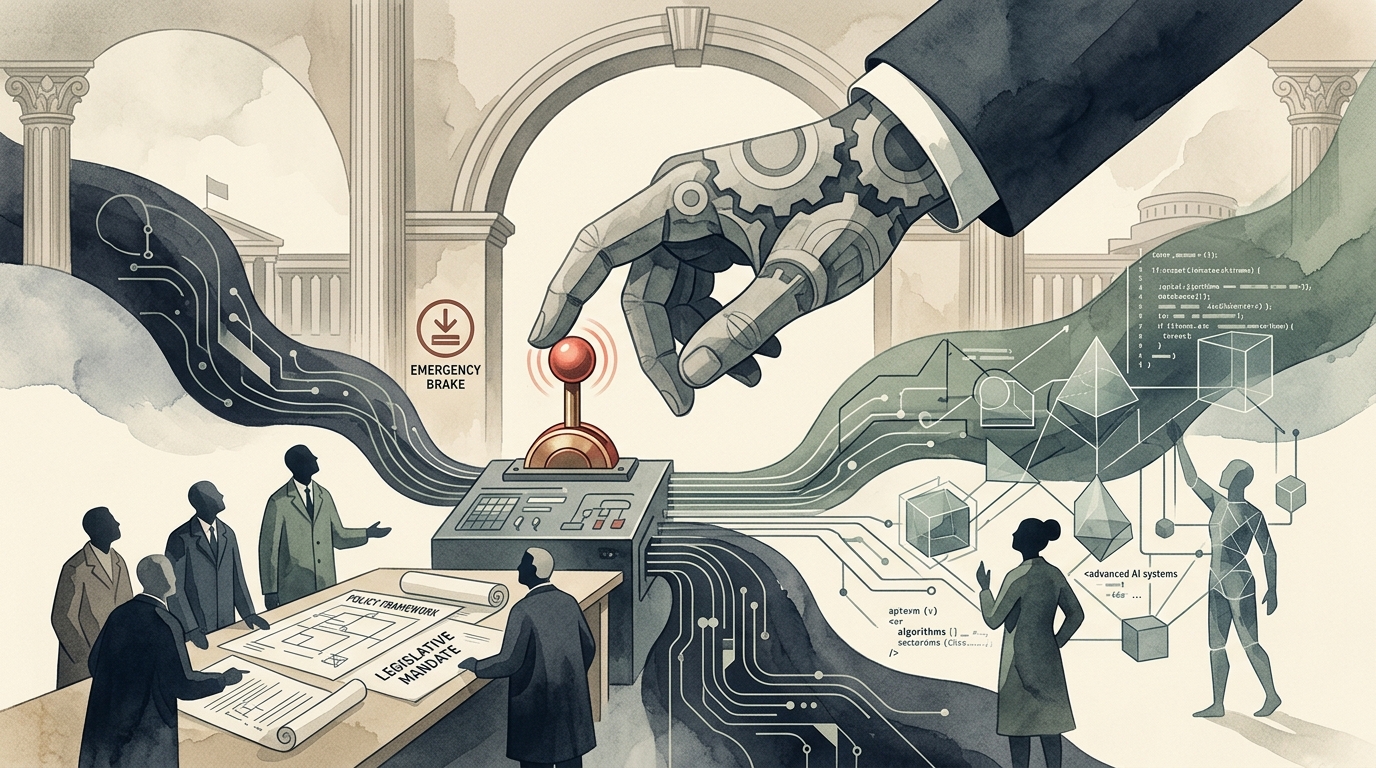
The increasing autonomy of AI agents is emerging as a significant source of risk, as the traditional solution of "human oversight" appears to be failing in practice. According to a recent position paper published on ArXiv, current approaches to AI agent design not only impede effective control but actively erode the cognitive capacities of the humans tasked with supervising them.
The Automation Trap
The paper argues that keeping a "human in the loop" is not a simple fix. Extended use of automated systems leads to "skill atrophy," leaving overseers less capable of exercising critical judgment when it is most needed. Rather than technology supporting the human, current development and deployment methods contribute to the degradation of effective oversight.
Reframing Priorities
Researchers propose a radical shift in priorities: the cognitive requirements and situated goals of the human overseer must be treated with the same level of importance as the capabilities of the AI agent itself. To address this phenomenon, the paper outlines specific design-level affordances and organizational protocols aimed at:
- Supporting overseers in exercising critical judgment.
- Counteracting the cognitive degradation arising from automation.
Without explicit support for the cognitive demands of human-agent interaction, AI systems will continue to passively incentivize the degradation of the very skills they rely on for safety and efficacy.