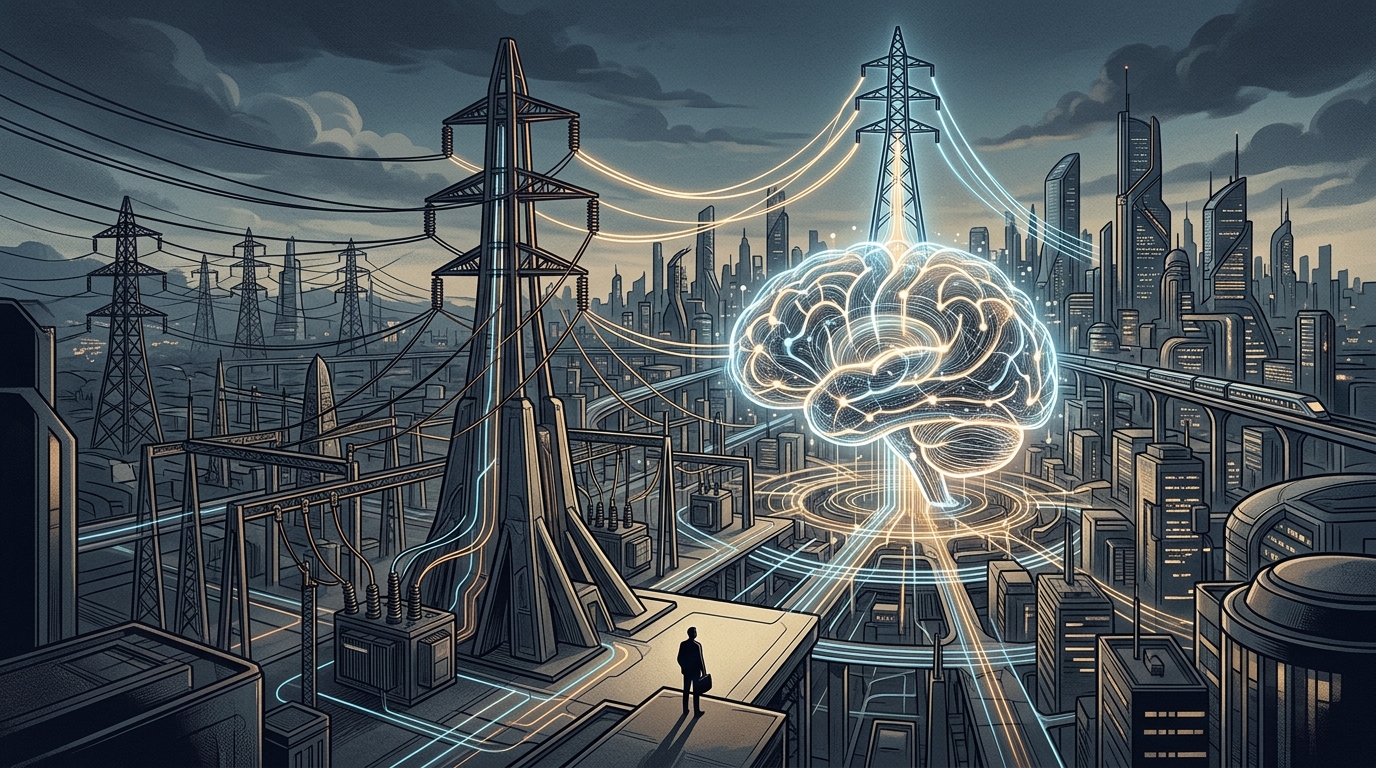
Artificial Intelligence is rapidly integrating into every facet of life, but Revathi Advaithi, CEO of supply chain giant Flex, warns that the momentum could come to a screeching halt. Speaking at Fortune’s Most Powerful Women Summit in Santa Barbara, Advaithi emphasized that AI progress is at risk if America’s power infrastructure continues to fall behind.
The Gap Between Tech and Infrastructure
While the industry focuses on semiconductors and frontier models, Advaithi argues the real bottleneck is the power grid. “If you don’t get the energy infrastructure and the grid ready, forget all the frontier models and forget all the semiconductors,” she stated, noting that a country cannot take advantage of innovation without the power to sustain it.
The disparity in development timelines is stark: creating a new chip takes about five years, whereas building a power grid capable of meeting national energy needs takes decades. A 2025 Berkeley study estimates that by 2030, approximately 11.8% of all U.S. electricity could be consumed by data centers.
Regulatory Roadblocks and Stagnation
The Flex CEO noted that power innovation has not significantly changed since the days of Thomas Edison. This stagnation is attributed to a “tremendous amount” of approval processes, regulatory hurdles, and safety concerns. “You don’t want to mess around with things like power, because it impacts people’s lives,” she explained.
However, Advaithi warned that unless the country speeds up standards for new generation and upgrades outdated transmission lines, the U.S. will operate in a deficit over the next decade. As AI’s appetite for electricity threatens to outpace infrastructure, the current lumbering process of grid modernization remains the primary threat to technological growth.