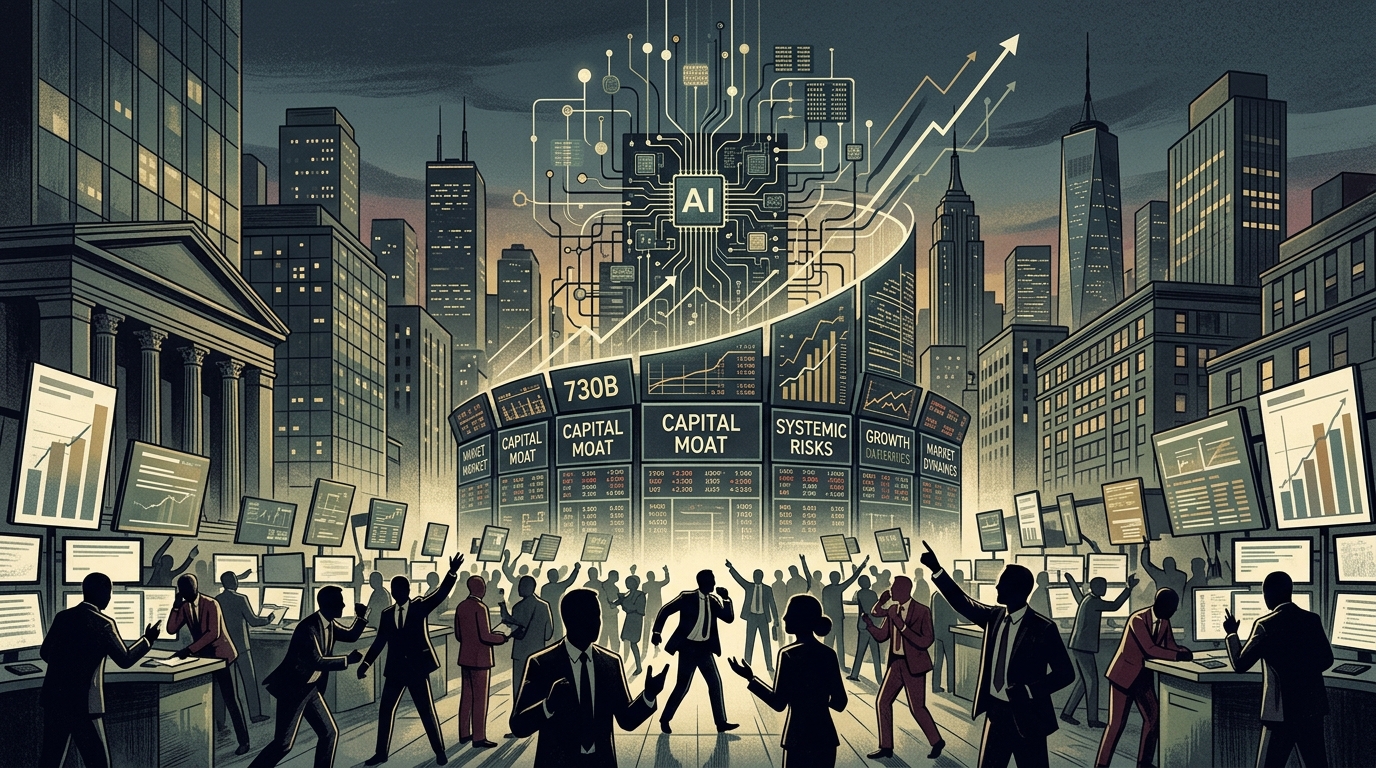
The impact of Artificial Intelligence on the labor market remains a subject of intense debate, with available data struggling to keep pace with the speed of change. While recent studies show a positive effect on job growth, a large group of economists and activists warn that the technology threatens to transform the financial system at rates requiring immediate action.
The Paradox of Layoffs and Investment
Tech giants continue to reduce staff amid the AI boom. Microsoft laid off nearly 5,000 people in early July, even as it pours billions into AI data centers. Similar moves have been made by Amazon and Oracle over the last two years. However, the direct link between AI and job cuts is blurred. CEOs often blame AI for layoffs one month, only to hail it as a job creation engine the next.
Conflicting Market Data
A study by Ramp of 21,000 U.S. firms found that companies investing heavily in AI expanded their staff by 10% over two years. In contrast, low-adoption firms saw no growth. Conversely, a Stanford report analyzing ADP data found that workers aged 22-25 in AI-exposed roles, such as software engineering, suffered a 16% relative employment drop compared to less-exposed peers.
The Phenomenon of 'AI Washing'
Researchers point to "AI washing," where companies attribute layoffs to AI to appear forward-thinking, or conversely, avoid mentioning it to prevent public outcry. At Amazon, employees report increased pressure to finish tasks faster using AI tools, raising productivity demands without necessarily making the work easier.
Warnings for the Future
In July, nearly 200 economists, including former Google CEO Eric Schmidt, signed a statement warning of large-scale job displacement over the next decade. They describe the transformation as larger than the Industrial Revolution but unfolding over a much shorter timeframe, calling on policymakers to act now to ensure AI complements humans rather than replacing them.