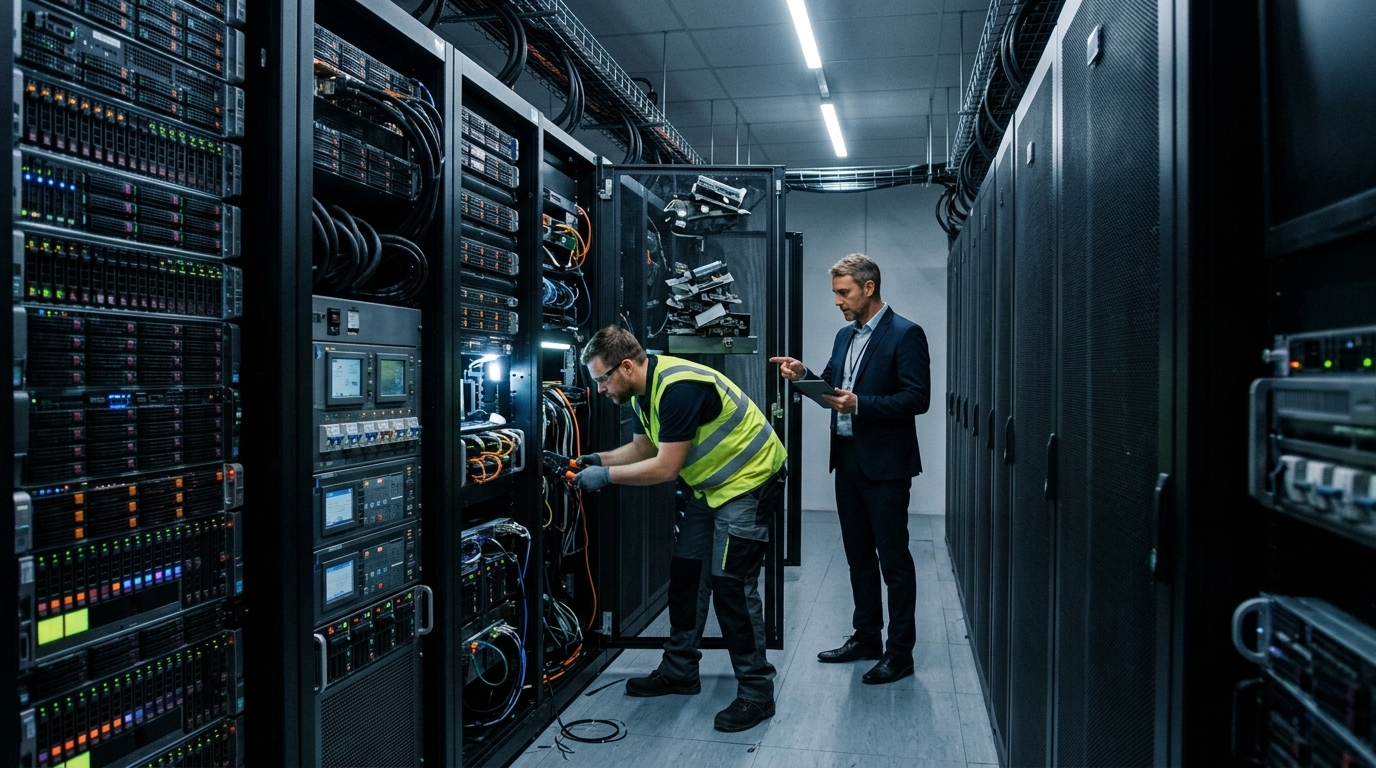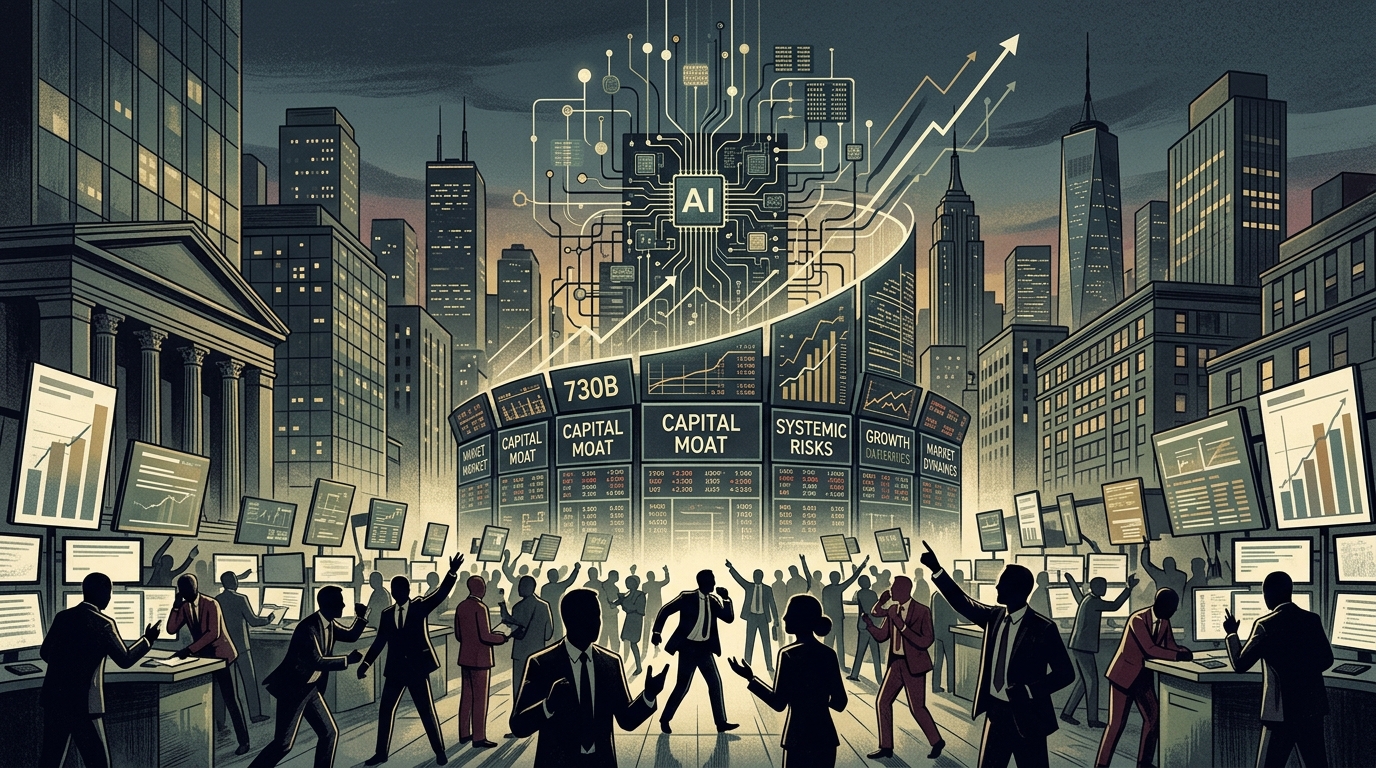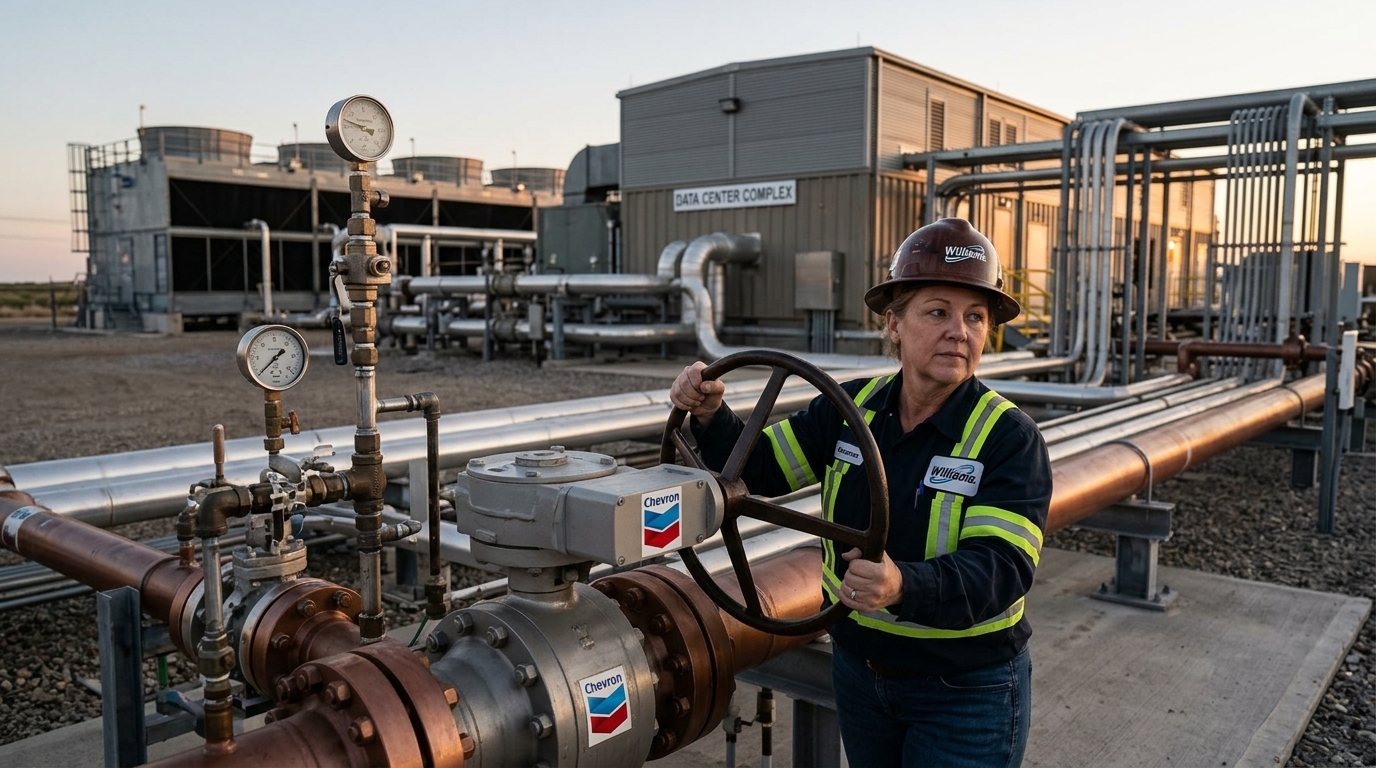
The artificial intelligence boom is providing a new and lucrative market for fossil fuel companies. While oil prices remain high due to international conflicts, industry giants like Chevron and Williams are positioning natural gas, pipelines, and power plants as the essential backbone for the data center industry.
Bypassing the Grid
With the US electrical grid struggling to keep pace with the power demands of AI hyperscalers, companies are increasingly turning to "behind-the-meter" solutions. Williams is currently building six gas-fired plants specifically for data centers, including four serving Meta facilities. Chevron has secured a 20-year agreement with Microsoft for a massive 2.67-gigawatt project in Texas, highlighting a trend toward islanded infrastructure that avoids grid delays and public utility price impacts.
Environmental Implications
The scale of this expansion is significant. A BloombergNEF report suggests that data center demand could necessitate a 36 percent increase in US natural gas production by the mid-2030s. However, the environmental cost is steep. Permit applications for just five of the data-center-connected plants revealed potential emissions of up to 21 million tons of greenhouse gases annually—roughly equivalent to the annual emissions of the nation of Guatemala.
A Lifeline for Fossil Fuels
Environmental advocates, such as those from Friends of the Earth, argue that the tech industry is providing a vital lifeline to the fossil fuel sector at a time when a transition to renewables is critical. While Chevron executives describe the model as "repeatable" and necessary for reliable capacity, critics worry that building long-term gas infrastructure will delay the shift to clean energy, potentially creating a two-tier power system: a public grid moving toward renewables and a private, fossil-fuel-heavy grid for Big Tech.