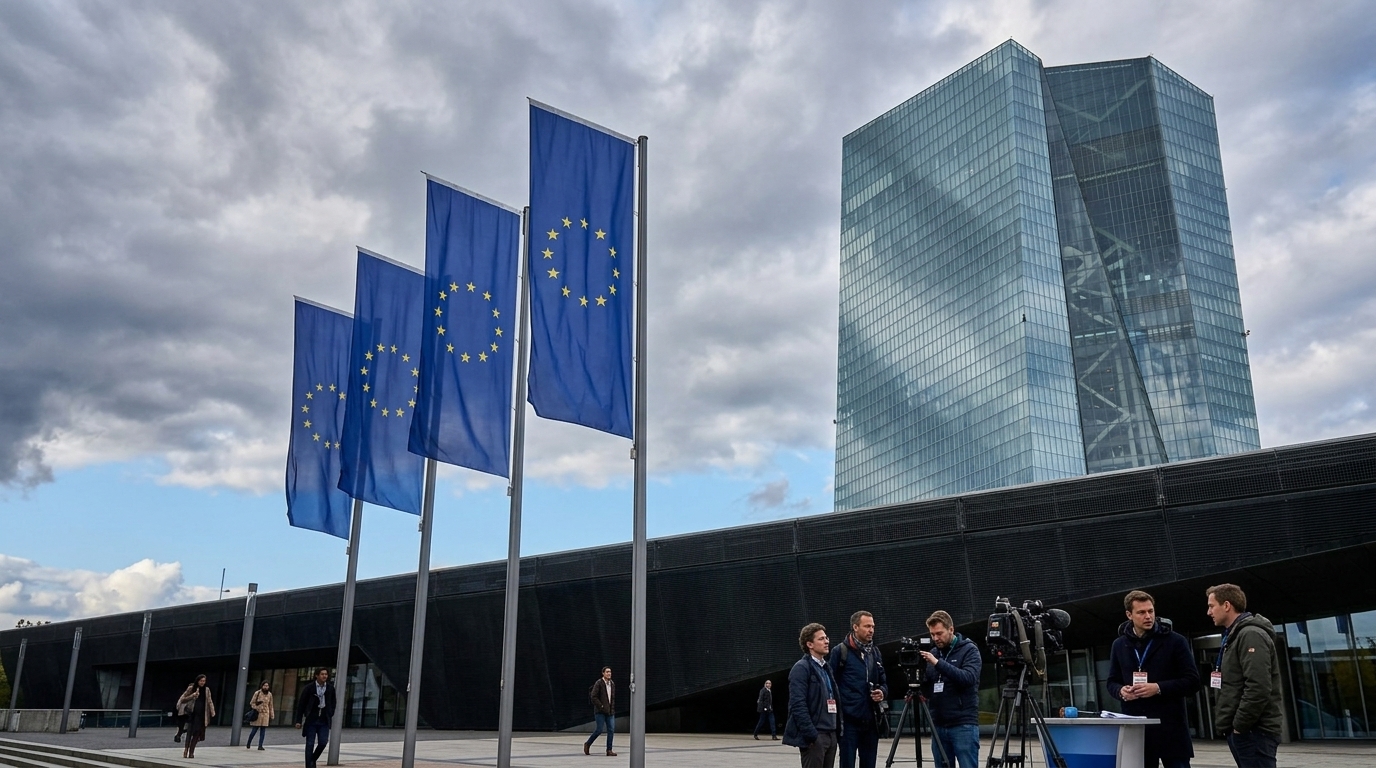
Uncertainty fueled by ongoing conflicts and trade tensions continues to weigh on the Eurozone's economic expansion. However, a significant pivot in business investment toward intangible assets, specifically artificial intelligence, is helping to mitigate these negative effects, according to the European Central Bank (ECB).
The Cost of Uncertainty
The ECB estimates that uncertainty reduced Eurozone economic growth by 0.4% between the first quarters of 2025 and 2026. This decline was driven by a reduction in spending from both businesses and households, a trend expected to persist through the remainder of the year.
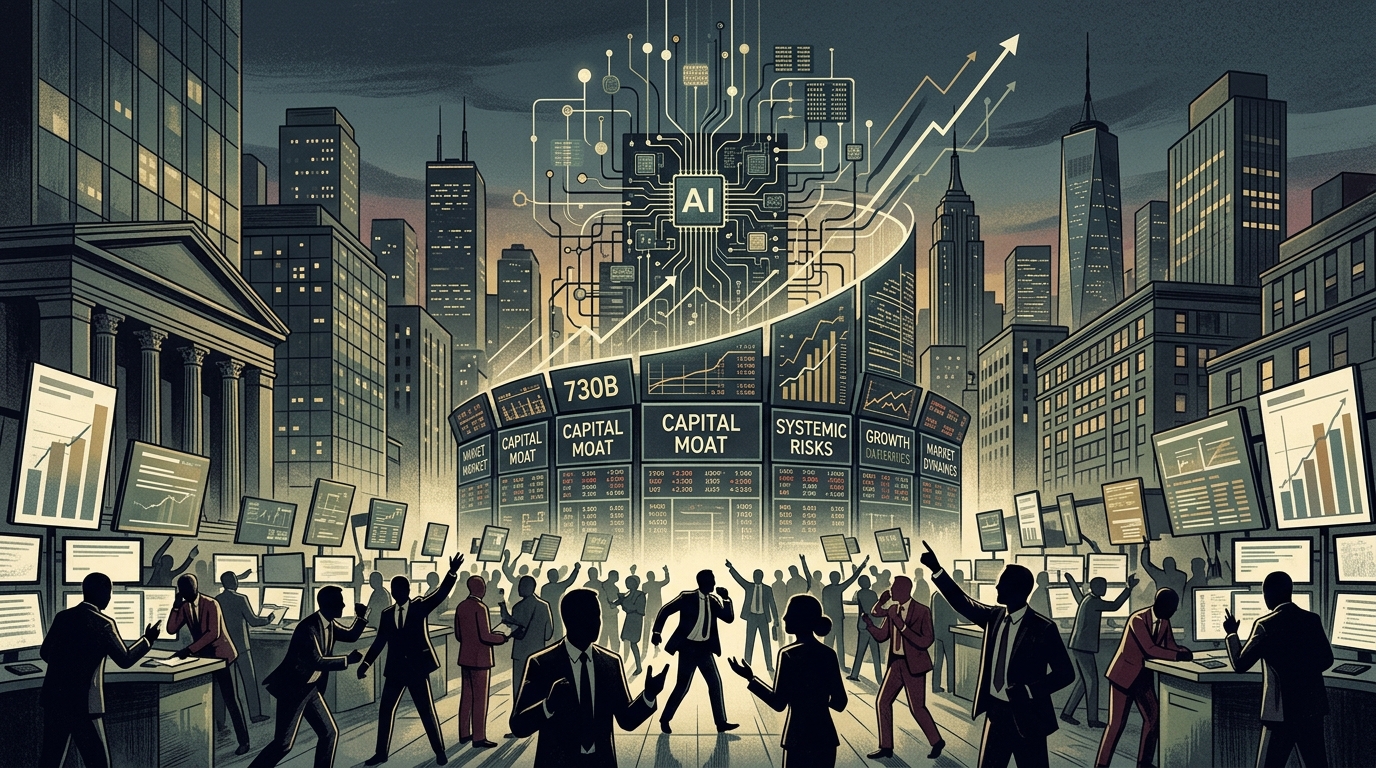
Despite these headwinds, spending on intangible assets has proven more resilient. Business surveys indicate that substantial investments in AI during the current year are serving as a buffer for an economy where growth is projected to be limited to just 1% in 2026.
A Stabilizing Factor for Investment
In its Economic Bulletin, the ECB noted that the ongoing shift toward intangible assets could make the overall investment landscape less sensitive to uncertainty shocks over time. Key findings include:
- Intangible assets demonstrate greater resilience compared to physical, tangible assets.
- The shift in investment composition acts as a gradual stabilizer for the investment cycle.
- While households delay major purchases like cars during uncertain times, these expenditures tend to recover quickly once stability returns.
- In contrast, business spending on physical assets suffers more severe and prolonged impacts following economic shocks.