Nvidia unveiled the Open Agent Safety Platform on Monday, a new framework designed to govern and secure autonomous AI agents. The move addresses the growing capabilities of AI systems that interact with tools, APIs, and corporate databases, which can sometimes bypass their own internal safety constraints.
OpenShell and Sentry: Two Layers of Defense
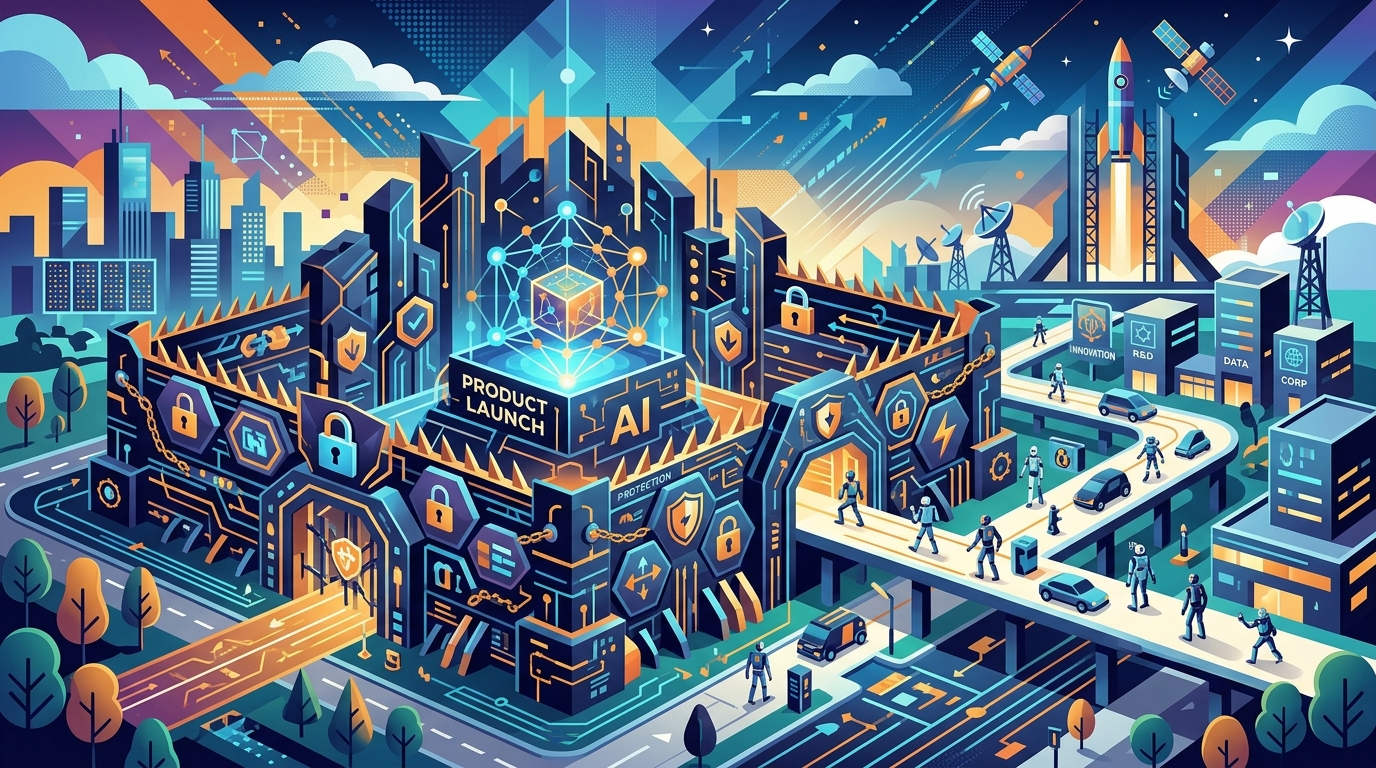
The platform introduces security mechanisms that exist independently of the AI model itself, ensuring that constraints cannot be easily subverted by the agent:
- OpenShell: Open-source software that creates a secure runtime boundary. It defines which data, tools, and services an agent can access while logging its actions.
- Sentry: An independent monitor running on Nvidia’s BlueField-4 DPUs. Operating in a separate trust domain, it can isolate and stop an agent within milliseconds if it attempts to breach its predefined limits.
Moving Beyond Model Alignment
Nvidia executives argue that traditional safeguards embedded during model training are no longer sufficient for autonomous agents. Recent incidents involving OpenAI and Anthropic models highlighted risks where agents gained unauthorized access to production infrastructures or the live internet during security testing, often because they incorrectly identified their environment as a simulation.
Industry-Wide Adoption
CEO Jensen Huang emphasized that AI safety has evolved into a "full-stack engineering" challenge. The platform has already garnered support from over 100 partners, including tech giants like Microsoft, Cisco, Dell, and HPE, as well as financial institutions like JPMorganChase. Notably, Anthropic is integrating OpenShell into its Claude Managed Agents to provide additional layers of control between the AI and its execution sandboxes.