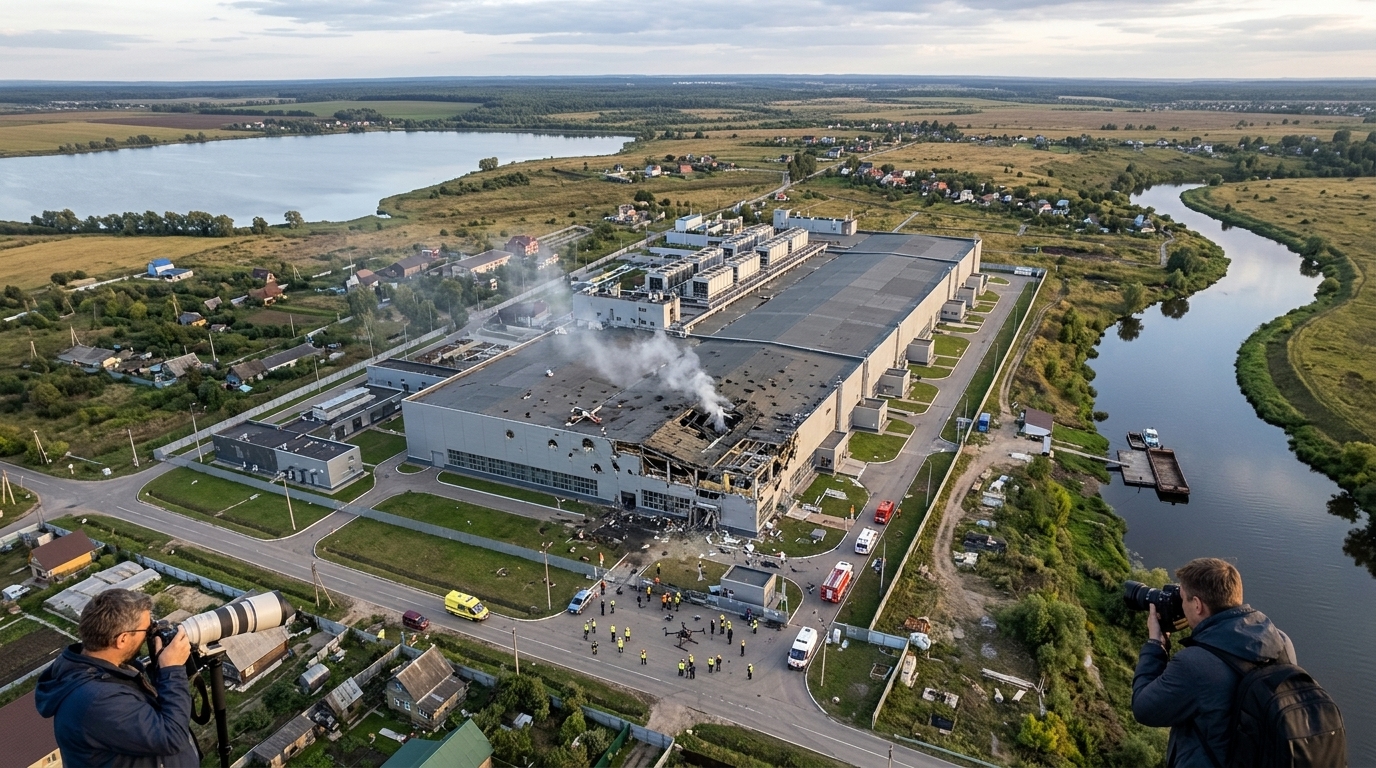

In the pursuit of technological primacy, the physical foundations of power—energy and connectivity—are becoming the primary levers of national policy. Recent data from Global Energy Monitor reveals a profound shift in the United States' energy strategy, as the demand pipeline for gas projects dedicated exclusively to AI data centers has surged to 189 GW as of mid-2026. This trajectory, representing a near doubling of capacity in less than a year, underscores a governance framework that prioritizes rapid deployment over long-term environmental sustainability.
The Governance of Accelerated Deployment
The current US policy landscape, supported by the Trump administration, has embraced a "behind-the-meter" strategy to bypass traditional grid connection delays. This approach is solidified by a voluntary pledge signed by industry leaders including Microsoft, Meta, Google, and OpenAI, alongside major utilities. While this provides a short-term economic solution to the soaring energy demands of artificial intelligence, it introduces significant institutional risks. Experts, including Jenny Martos of Global Energy Monitor, warn that reliance on inefficient gas turbines may "lock in" high carbon emissions for decades, potentially stifling domestic investment in the clean energy sector.
Geopolitical Asymmetry: US vs. China
A striking divergence is emerging between the world’s two primary AI rivals. While the US has surpassed China in the volume of gas projects in development, China’s data center expansion is largely oriented toward renewable sources, specifically solar and hydropower in rural areas with excess production. This suggests two different models of institutional power: a US model driven by private fossil fuel plants and speed of execution, and a Chinese model integrated into a centralized renewable infrastructure. For policymakers, the risk is that the US may gain a temporary speed advantage at the cost of long-term efficiency and climate commitments.
The European Perspective and the Greek Connectivity Advantage
Within the European context, the focus remains on the quality of digital infrastructure. Data from nPerf indicates that Greece is currently leading in 5G network adoption, with a 39.9% share of tests, outpacing both the UK and Italy. For Greek governance, this robust connectivity offers a critical competitive advantage, providing the high-speed foundation necessary for AI integration without the immediate reliance on the massive gas-fired expansion seen in the American market. As AI continues to hit entry-level labor markets—with Stanford research showing a 19% employment gap for young workers in AI-exposed roles—the quality and sustainability of a nation's infrastructure will determine its ability to manage the coming economic transition.