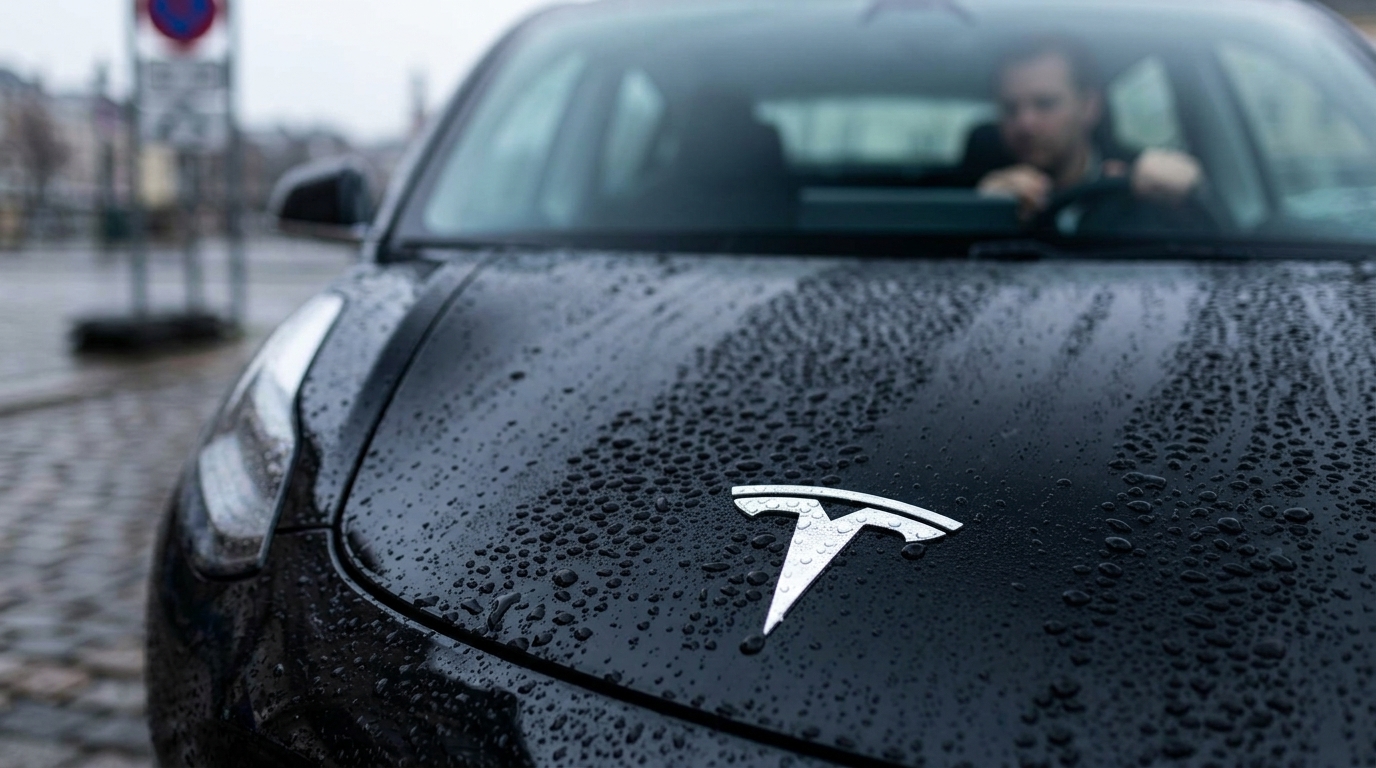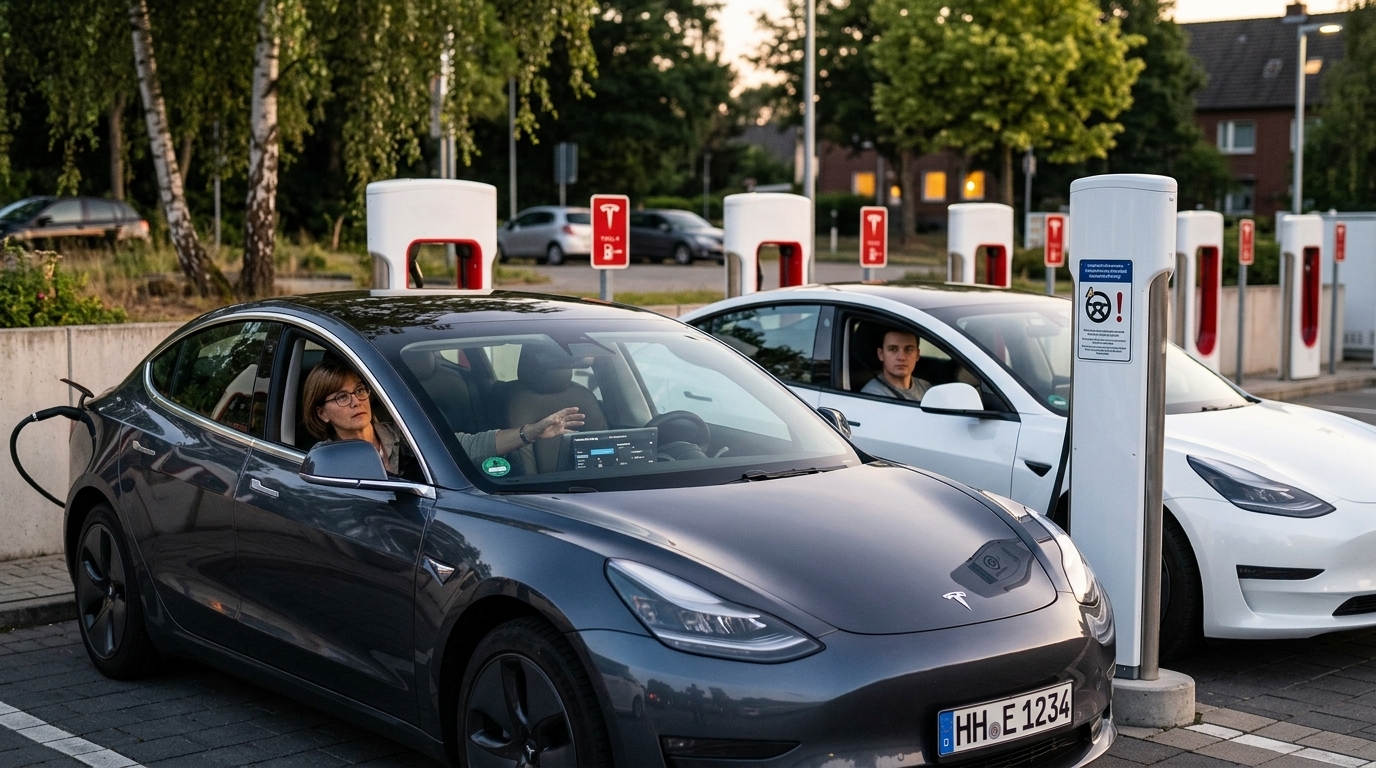
Tesla has officially renamed its most advanced driver-assistance feature from “Full Self-Driving” (FSD) to “Tesla Assisted Driving” (TAD) in Europe. This rebranding effort comes as the automaker works to convince continental regulators to permit the technology’s use on public roads.
Regulatory Shift in Europe
According to a statement from the German Transport Ministry, Tesla offered to change the name after German Transport Minister Steffen Bilger described the “FSD” label as “somewhat misleading.” Following discussions last month, Bilger indicated he would now advocate for European regulators to approve the feature “as quickly as possible.” A vote on EU approval is likely to occur by the end of the year.
Despite the original name, the feature cannot actually drive itself. While it handles functions such as accelerating, braking, steering, and parking, Tesla mandates that drivers remain alert and ready to intervene at all times.
A History of Scrutiny
Tesla has resisted changing the feature's name for years, even defending it in legal battles. In California, the Department of Motor Vehicles previously concluded that the terms “Full Self-Driving” and “Autopilot” were misleading and violated state law. Tesla only ceased using the “Autopilot” term in that state after the agency threatened to suspend its manufacturing and dealer licenses.
The technology faces ongoing scrutiny in the United States. In March, the federal government opened a probe into the system following nine incidents where FSD allegedly failed to respond to reduced visibility and neglected to warn drivers to take control. Furthermore, a recent Reuters report alleged that Tesla presented misleading safety data to European regulators while lobbying for the system’s approval.
Global Market Strategy
Expanding FSD to global markets is a strategic priority for Tesla, as the software-based subscription—currently priced at $99 per month in the US—represents a lucrative revenue stream. The technology secured approval in Australia and New Zealand last year, while the Netherlands became the first European government to grant provisional permission this past spring. A version of the feature was also launched for Chinese customers in May.