The amount of gas-fired power in development for data centers in the US has nearly doubled in less than a year, according to new research from Global Energy Monitor. The findings illustrate the tech industry's heavy reliance on private fossil fuel plants to meet the soaring energy demands of artificial intelligence.
A Surge in Infrastructure
Global Energy Monitor reports that as of mid-2026, the demand pipeline for gas projects exclusively for data centers has jumped to more than 189 gigawatts (GW). This represents a massive increase from the 97 GW tracked at the end of 2025 and a staggering rise from just 4 GW in early 2024. For context, one gigawatt can power roughly a million homes.
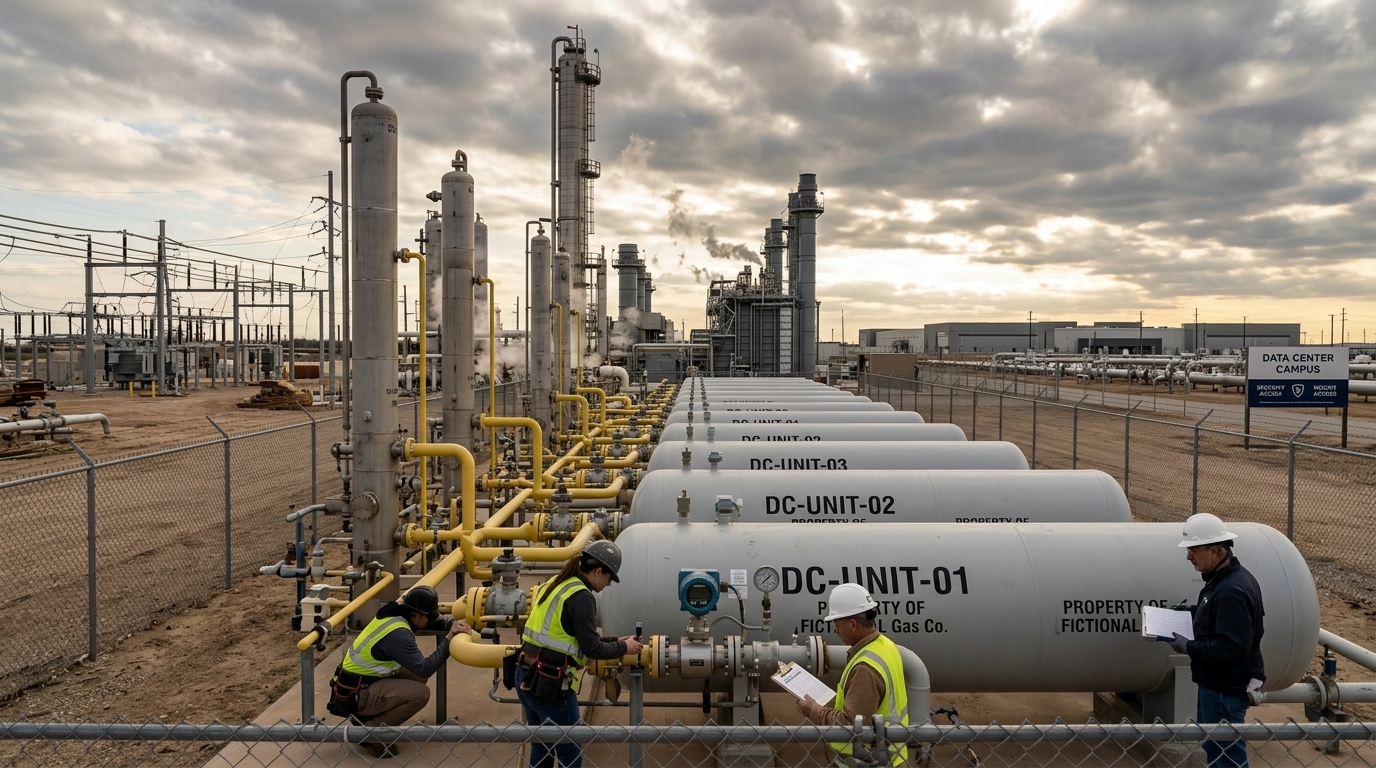
To bypass lengthy grid connection times, data center builders are increasingly turning to private power facilities known as "behind-the-meter" plants. This strategy is supported by the Trump administration, which introduced a voluntary pledge signed by industry leaders including Microsoft, Meta, Google, and OpenAI, alongside major utilities.
US vs. China: Diverging Paths
While the US and China are rivals in the AI race, their energy strategies differ significantly. The US has now surpassed China as the country with the most gas projects in the pipeline. In contrast, China's data center boom is largely oriented around renewable energy sources, particularly solar and hydropower, often located in rural areas with excess production.
Experts note that while gas might make economic sense for the US in the short term due to speed of deployment, it carries a long-term cost. Many of these facilities use inefficient turbines that increase greenhouse gas emissions. If all planned projects are completed, the US risks locking in high carbon emissions for decades to come, while potentially underinvesting in its own clean energy sector.
“If all of these get built, you're locking in emissions for decades,” says Jenny Martos, a research analyst at Global Energy Monitor.