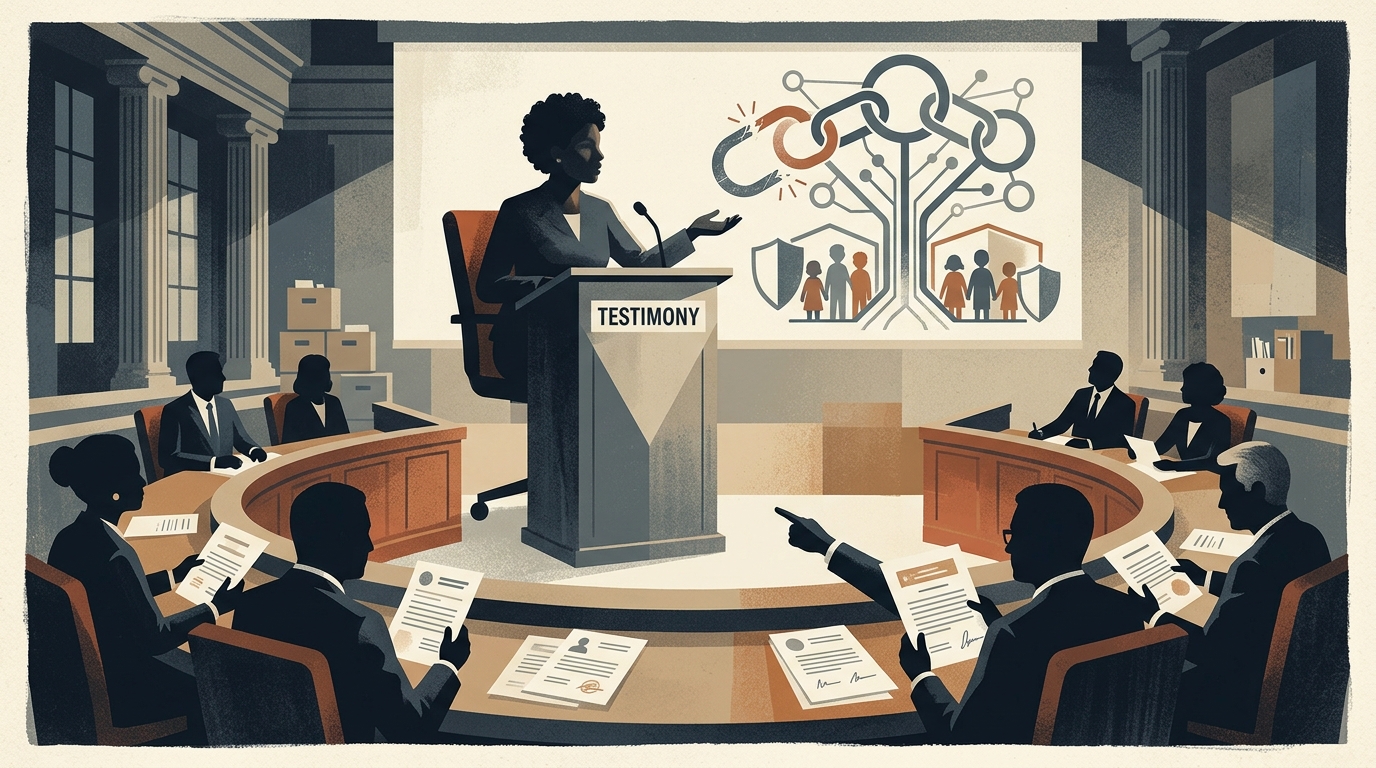
In a high-stakes federal trial in Oakland, California, Arturo Behar, a former senior safety engineer at Meta, provided damning testimony against his former employer. Behar told jurors that the social media giant operated under a "don't ask, don't know" strategy regarding child safety, despite internal knowledge of the harms its products caused to minors.
Internal Warnings and Silence
Behar, who worked at Meta for approximately eight years across two periods, claimed he had raised concerns regarding content from sexual predators and graphic violence to various executives at Facebook and Instagram. He estimated having interacted with CEO Mark Zuckerberg at least 100 times. Specifically, Behar highlighted a 2021 email sent to Zuckerberg warning about the negative impact on teen well-being, which allegedly received no response.
"I felt that he created a false and misleading impression regarding Facebook's commitment to young people," Behar testified.
The engineer's motivation for whistleblowing was partly personal; he recounted his teenage daughter's experience on Instagram, where she faced unsolicited sexual approaches and misogynistic abuse that the platform failed to address effectively.
The Legal and Financial Stakes
A bipartisan coalition of 29 US states is pursuing Meta, alleging the company deliberately designed addictive products and systematically collected data from children under 13 without parental consent. The financial implications are staggering: if found liable, Meta could face damages and fines up to $200 billion—a figure comparable to the company's total annual revenue for 2025.
Behar's testimony also shed light on the company's "infinite scroll" feature, which he described as a mechanism to keep users engaged to maximize advertising revenue. He presented internal research showing that while 51% of teens reported harmful experiences on Instagram within a seven-day period, content was removed in only 0.02% of those cases.
Meta's Defense
Meta denies all allegations. Defense attorney Paul Schmidt argued that while some individuals face difficulties on social media, the company has developed tools to mitigate these issues. He further stated that Meta prohibits users under 13 and has deactivated over one million such accounts.