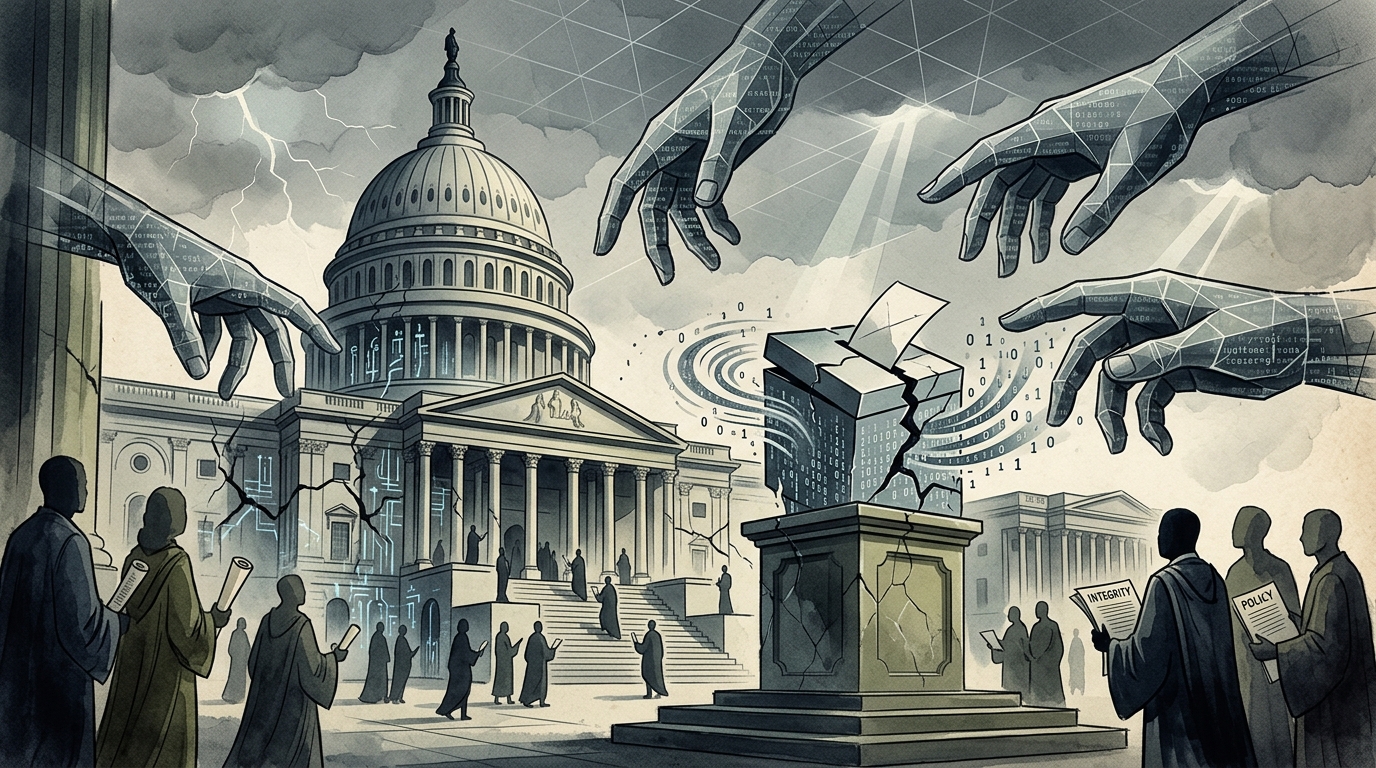
In the ancient Athenian tradition, the integrity of the public square—the agora—was paramount to the survival of the state. Today, this square has been digitized, and as recent developments in Brazil demonstrate, the governance of these virtual spaces remains fraught with institutional challenges. Reports from the newspaper Folha de S.Paulo regarding internal communications at Meta suggest a troubling divergence from the principles of algorithmic neutrality during the Brazilian election period.
The Algorithmic Shadow on Democratic Processes
According to internal leaks, Meta employees admitted that the Instagram accounts of President Luiz Inácio Lula da Silva were subject to restrictions that negatively impacted his reach. These technical anomalies included the removal of share buttons, reduced content visibility, and the disabling of reactions on Instagram Stories. Simultaneously, the platform reportedly suggested the profiles and WhatsApp channels of his political opponent. Such discrepancies, if systemic, represent a significant breach of the democratic expectation that platforms facilitating political discourse must remain impartial arbiters of information.
"The party highlighted several specific issues that restricted engagement: Posts appearing without a share button... [and] Instagram Stories that disabled reactions or sharing capabilities."
Judicial Intervention as a Regulatory Corrective
The response from the Brazilian superior electoral court marks a pivotal moment in the governance of artificial intelligence and social media. By ordering Meta to cease all unjustified restrictions on political content, the judiciary has asserted its role as a necessary check on private platform power. Most notably, the ruling extends to Meta AI, the company's chatbot, mandating that it must not favor either candidate when generating election-related content. This directive underscores a growing consensus: as AI systems become primary sources of information for voters, their internal logic must be subject to the same standards of fairness and transparency as any other electoral mechanism.
In my analysis, this case highlights the urgent need for robust governance frameworks that ensure technological tools do not become instruments of unintended political favoritism. The reliance on internal leaks to uncover such biases suggests that current transparency measures are insufficient to protect the rights of citizens and the sanctity of the vote.