On the streets of Poland, a 4-foot-tall pedestrian named Edward Warchocki is quickly becoming the center of attention. He is not human, but a humanoid robot that chats with passersby, visits parliament, and hikes mountains. With over 1 million followers and 4 billion views, Edward is the face of a new trend: robotic influencers.
The Tech Behind the Charm
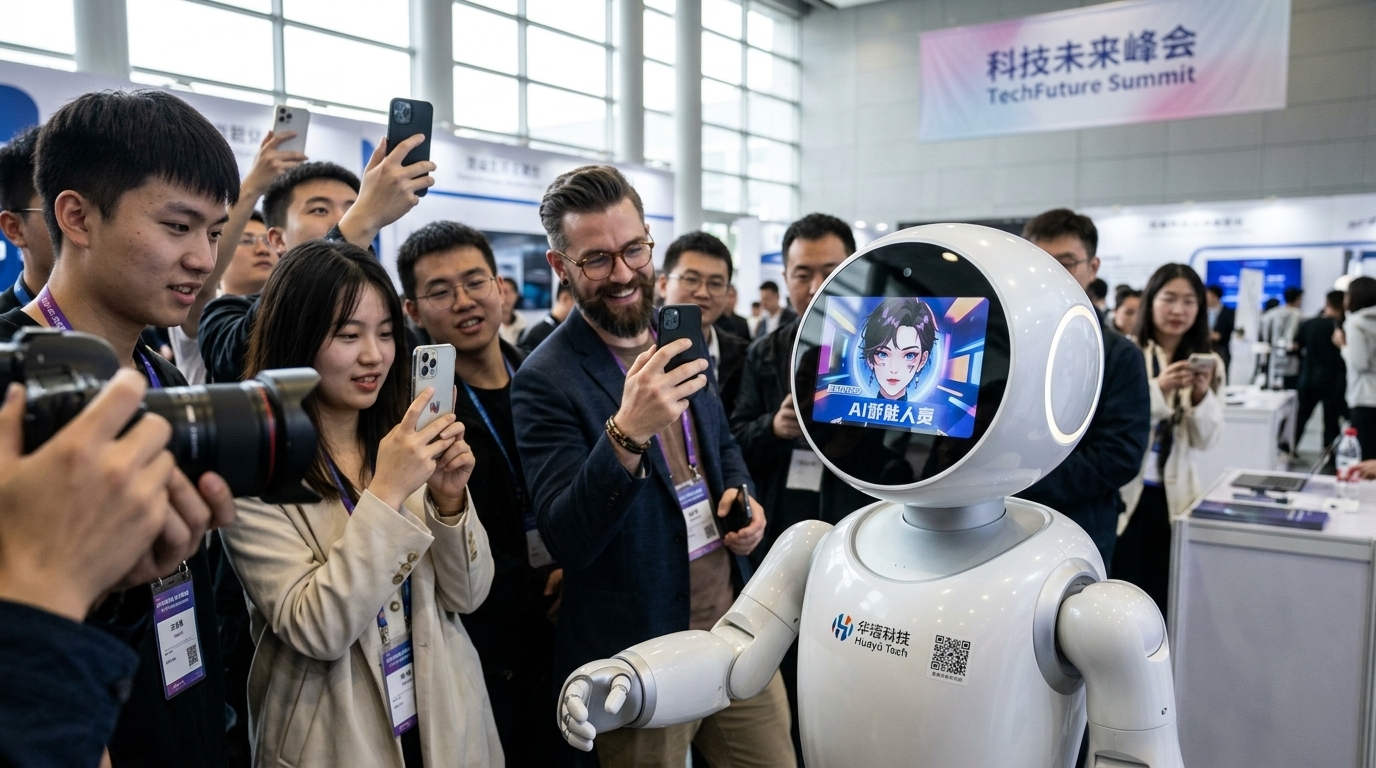
Despite different names—such as "Brickell Clanker" in Miami or "Rizzbot" in Austin—most of these robots share the same origin. They are Unitree G1 models, aluminum humanoids manufactured by a Chinese company leading the industry. Featuring a hollowed-out face with a ring of blue light, the G1 has appeared everywhere from America's Got Talent to religious sites in Dubai and Korea.
Edward's success is largely due to the ability to connect with large language models (LLMs). As creator Bartosz Idzik explains, when the robot couldn't talk, people were scared of it. Once it gained the ability to have live conversations in Polish, it transformed from a "40-kilogram machine" into a social character.
Economic Success and Real-World Utility
Unitree, which is preparing to go public on the Chinese stock market, reported impressive financial figures for 2025. Unlike other robotics companies that remain in the experimental stage, Unitree delivered 5,511 humanoids to real customers, with 43% of sales coming from abroad. The average selling price was less than $25,000, making its robots the most affordable on the global market.
However, the question remains whether these robots can perform "real" jobs, such as house cleaning or assembly line work. For now, their primary use is entertainment and brand promotion, with owners charging between $800 and $1,200 per hour for appearances at parties and corporate events.
Political Hurdles and Technical Limits
The future of these Chinese robots in the US is uncertain. In July 2026, the Federal Communications Commission (FCC) announced a ban on new Chinese-made humanoid robots. While already-approved models like the G1 are theoretically permitted, the next generation will likely not find a place in the American market.
Furthermore, despite their impressive appearance, the robots' movement remains largely under human control. Owners teleoperate them in public spaces to avoid accidents, as fully autonomous movement still poses safety risks to bystanders.