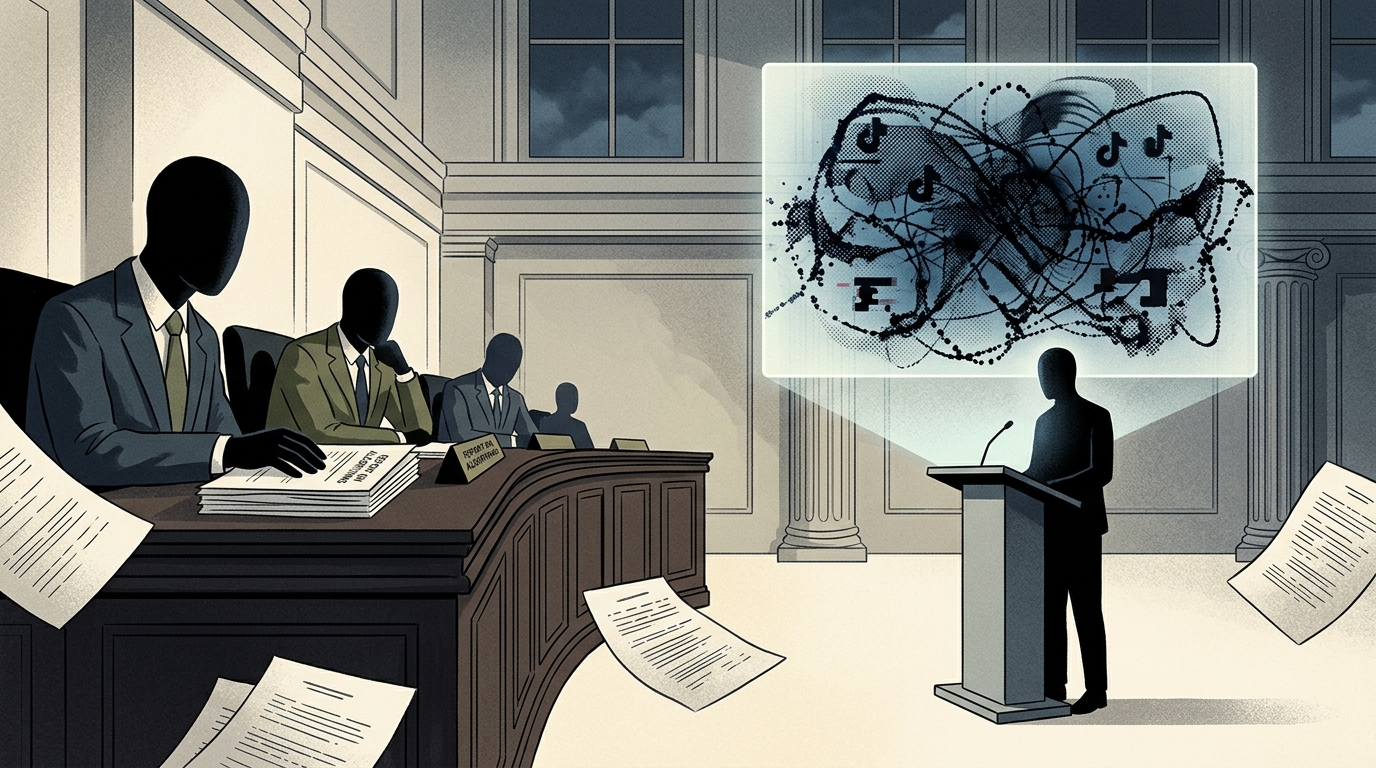
Two US senators have sent a formal inquiry to TikTok executives demanding answers regarding an experiment that withheld safety features from millions of users. Senators Marsha Blackburn and Richard Blumenthal, co-sponsors of a major child safety bill, described the company’s decision to conduct the test as “depraved.”
The Nature of the Experiment
Details of the experiment emerged from a confidential 2023 internal document, initially reported by Bloomberg Businessweek. The records show that TikTok intentionally disabled an algorithmic safeguard for 10% of its US user base to create a control group. This safeguard was specifically designed to prevent users from being trapped in harmful content echo chambers. At the time, this control group consisted of approximately 15 million people.
Tragically, one of those users was 16-year-old Chase Nasca. According to the internal document, his account was bombarded with thousands of videos focused on hopelessness and suicide. Nasca was randomly selected for the experiment on January 25, 2022; he died by suicide less than a month later.
Metrics vs. Human Life
The internal document justifies the experiment as a “delicate balance across safety and the ability to measure impact on DAU (daily active users) and core metrics.” The senators’ letter argues that these revelations contradict TikTok’s repeated public assurances that it prioritizes user safety over financial performance.
The inquiry demands responses to 13 specific questions by September 1. These include requests for the names of employees informed of the experiment, an explanation for the inclusion of minors, and a list of all other algorithmic tests where safety features were reduced or disabled.
Legislative Fallout
The revelation has intensified the push for the Kids Online Safety Act (KOSA). Senator Blackburn noted that the bill’s “duty-of-care” provision would require social media platforms to prioritize safety in their product design, potentially preventing future experiments of this nature. While a House version of the bill stripped this provision over First Amendment concerns, the Senate version continues to advance with it intact.