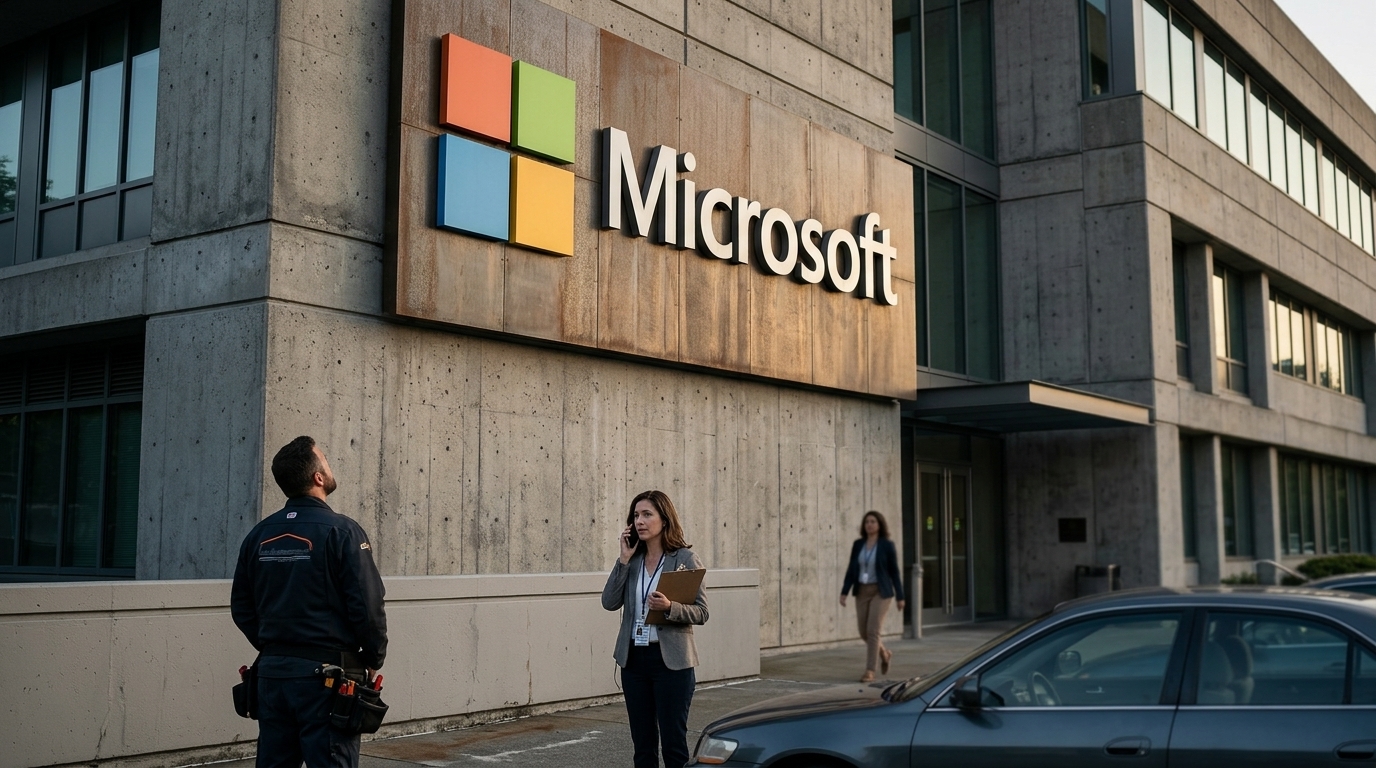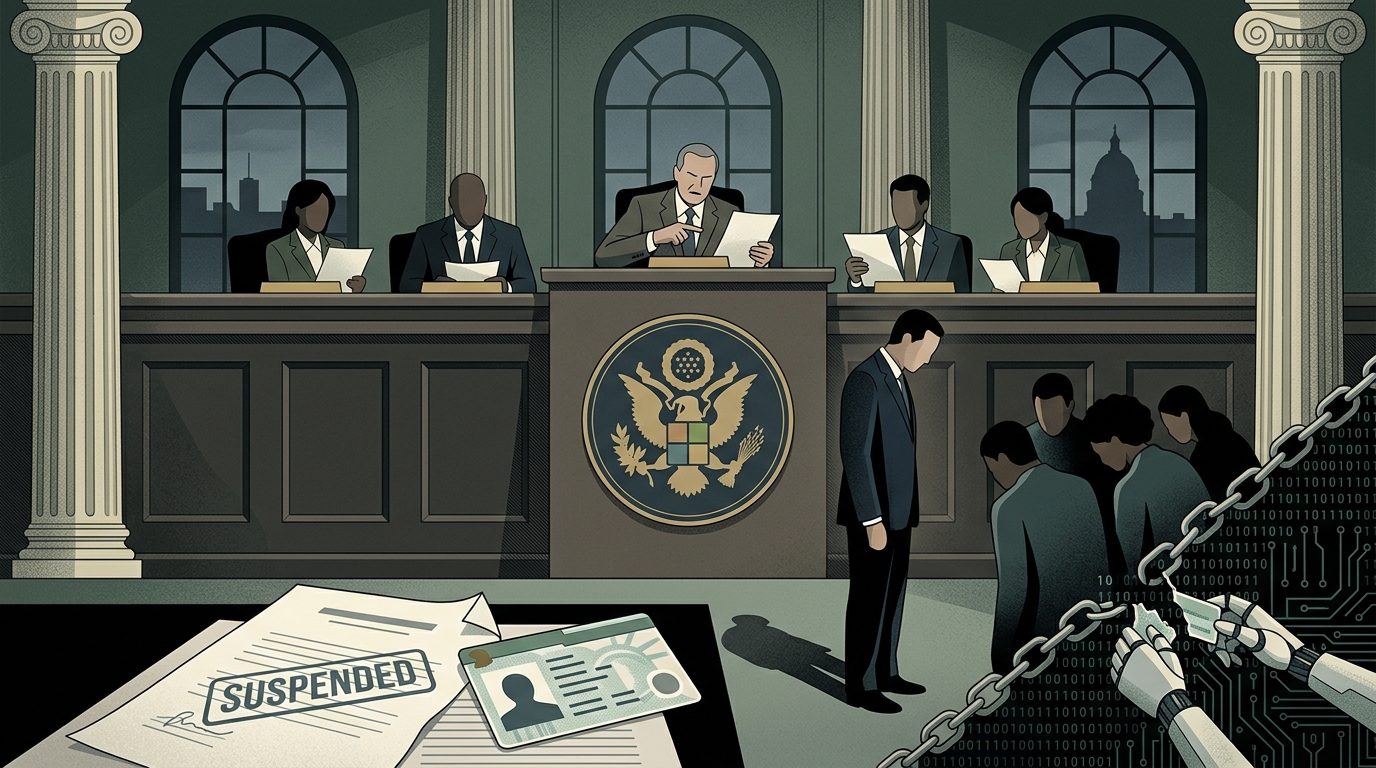
President Donald Trump’s administration announced Thursday the suspension of Microsoft and several other firms from a program allowing foreign workers to apply for green cards. The move coincides with a broader crackdown on universities that bring international students to the U.S. through exchange programs.
Allegations of ‘Indentured Servitude’
Vice President JD Vance spearheaded the announcement, accusing Microsoft of abusing the H-1B visa system to undercut American labor. Vance alleged that companies perform perfunctory job searches—such as advertising in small-town newspapers—only to claim a lack of local interest as a pretext for hiring what he termed “foreign indentured servants.”
“If you do the math, for every worker that Microsoft laid off, they replaced that worker with one and a half foreign indentured servants,” Vance stated, citing 6,000 layoffs at the company against 6,300 H-1B visas and nearly 3,000 green cards obtained last year.
Microsoft’s Defense and Expert Criticism
Microsoft countered the administration's claims, stating that 80% of its H-1B filings were intended to extend the status of existing employees rather than hire new ones. The company noted that filings for new employees represented only 1% of its U.S. workforce. Doug Rand, a former senior adviser at USCIS, called the administration's logic “incoherent,” noting that granting green cards actually ends a worker's dependence on a specific employer, thereby removing the “indentured” status Vance criticized.
Broader Impact on Tech and Academia
The suspension extends beyond Microsoft to include Adobe and major IT outsourcing firms such as Cognizant, Infosys, Tata, and Wipro. Additionally, the administration is targeting international students with a proposed $70,000 fee for the Optional Practical Training (OPT) program. Nine prestigious universities, including Harvard, Yale, Stanford, and MIT, are also under investigation for potential J-1 visa fraud.