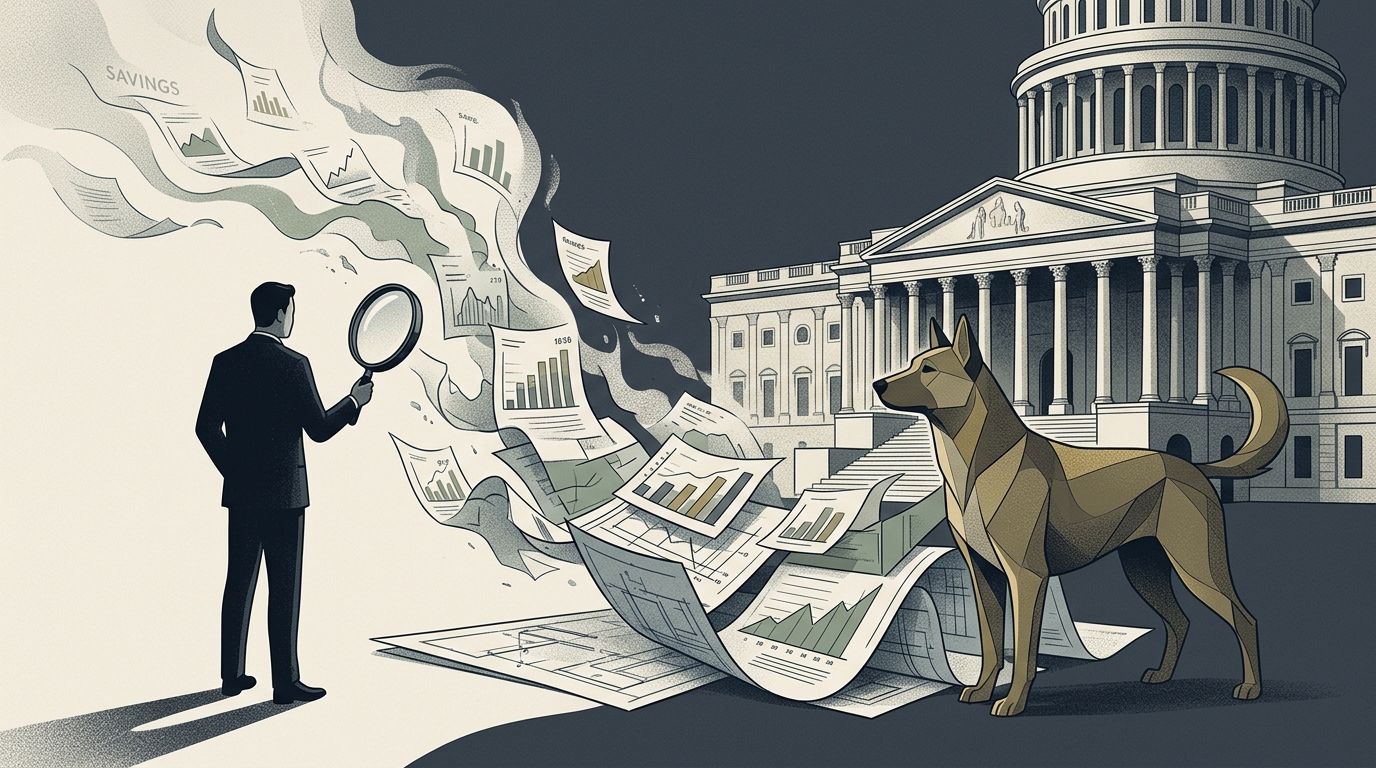
Claims of massive savings by Elon Musk’s Department of Government Efficiency (DOGE) are facing intense scrutiny after a federal audit revealed significant inaccuracies and a lack of supporting evidence. According to the Government Accountability Office (GAO), many of the figures touted on the agency's "Wall of Receipts" were either overstated or nonexistent.
Inaccuracies on the Wall of Receipts
Auditors found that 108 out of 264 leases identified for termination by DOGE were already in the process of being terminated before the department was even established. In another instance, DOGE reported $1.7 billion in savings regarding a Department of Defense IT services contract. However, the audit revealed that no action was actually taken to terminate the contract, meaning no savings were achieved.
Transparency and Methodology Issues
The GAO report highlights a broader lack of transparency regarding the methodologies used to calculate these savings. According to the watchdog, DOGE officials failed to respond to requests for information during the audit. The report concluded that the data quality issues found limit the value of the Wall of Receipts for policymakers and warned that unreliable government data can hinder public trust.
Political Fallout and Sunset
DOGE began posting its estimates on February 17, 2025, claiming $110 billion in savings by July 7 across various contracts and grants. The department’s operations sunset on July 4, following President Donald Trump’s executive order. Elon Musk initially led the operations but stepped back after a few months. Senator Gary Peters, who requested the report, described the effort as "slapdash and deceptive," alleging that the administration took credit for work already underway while putting sensitive data at risk.