Michigan has joined Minnesota in reporting cyberattacks on its water infrastructure, with officials confirming that nine systems in the state were targeted. The Federal Bureau of Investigation (FBI) has launched an investigation into the incidents, which come amid heightened warnings regarding foreign cyber threats.
Targeting Operational Technology
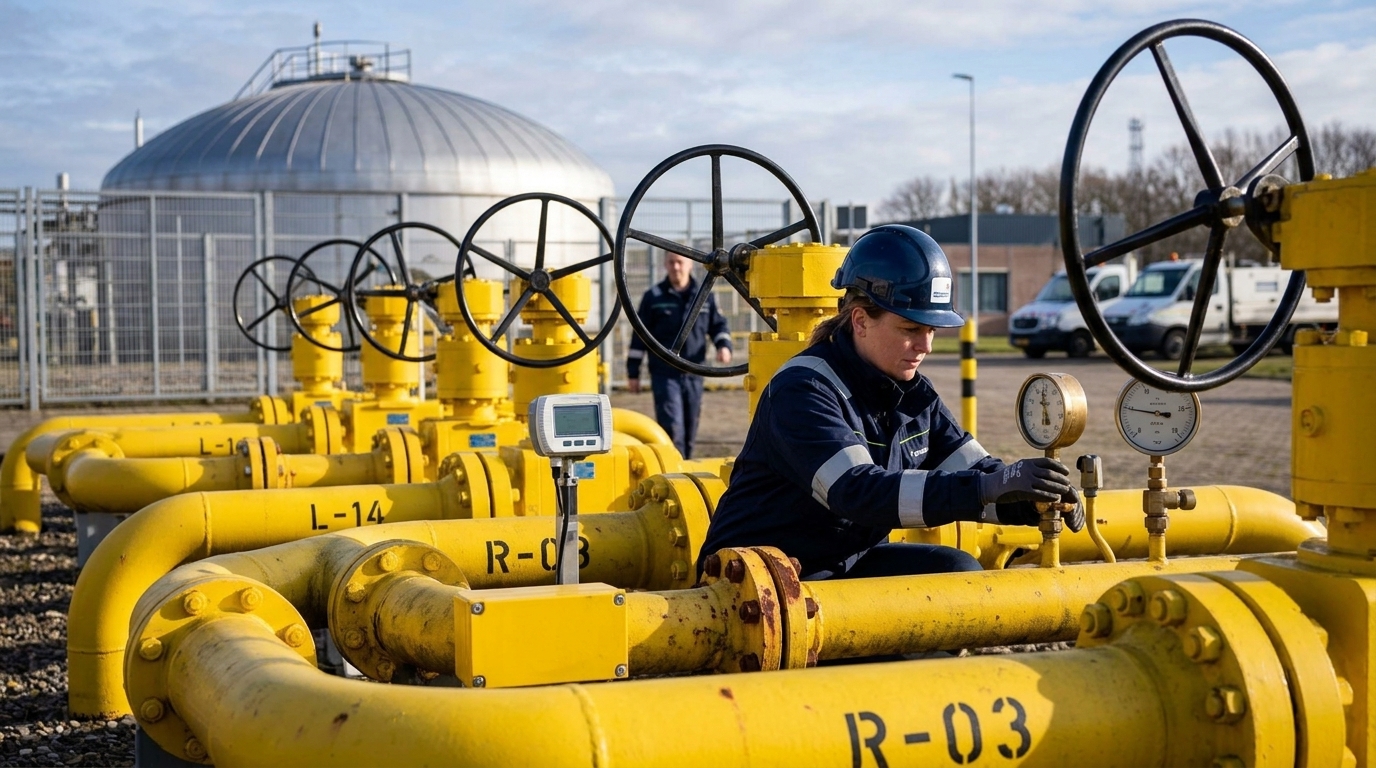
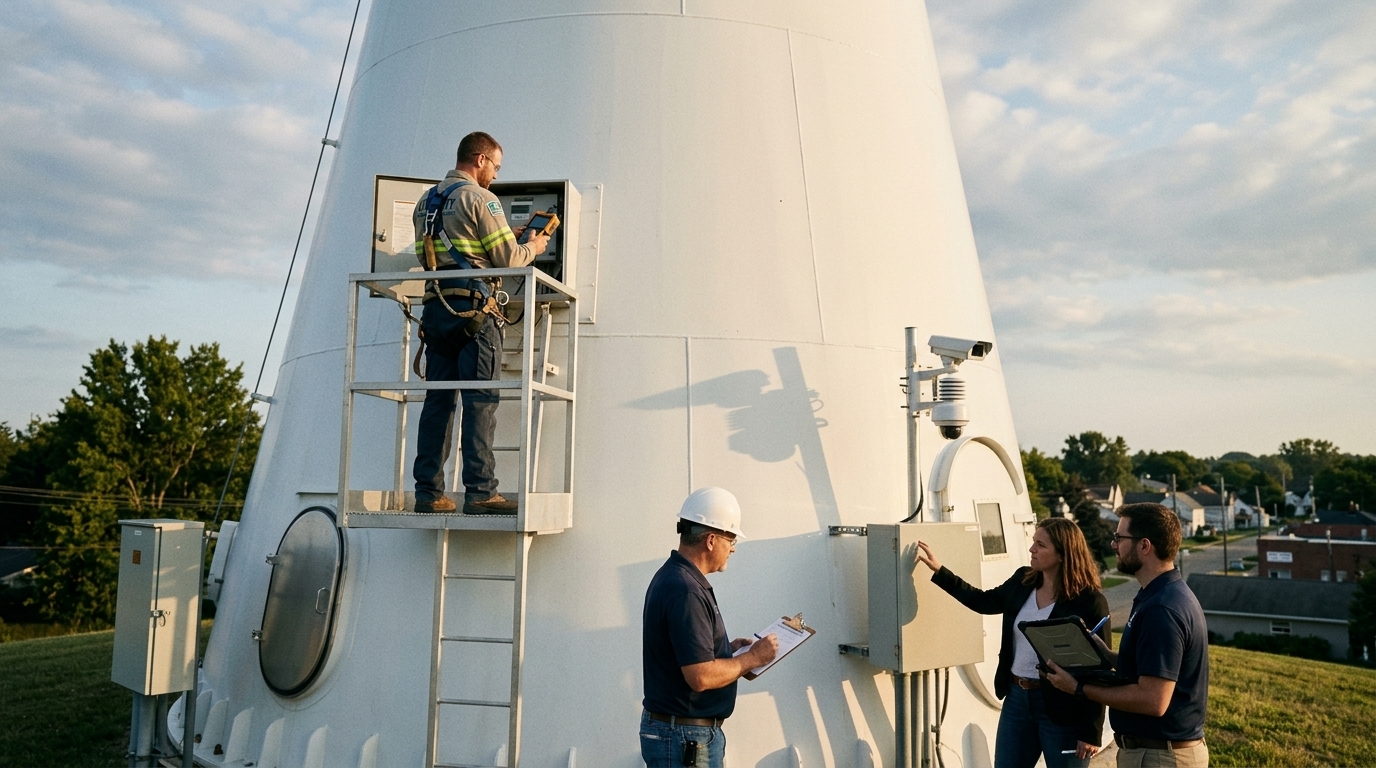
The breaches specifically targeted operational technology (OT) used by local utilities to monitor and control equipment remotely. While the FBI has not officially named a culprit, recent advisories from federal agencies, including CISA, have highlighted Iranian hackers' focus on U.S. water and wastewater sectors.
In Minnesota, where over 30 systems were affected earlier this week, the impact varied. The small community of Braham saw its treatment plant forced offline for several hours, leading to a temporary request for residents to conserve water. However, officials in both states emphasize that water quality remains uncompromised and public health is not at risk.
Infrastructure Vulnerabilities and Political Fallout
The incidents underscore the vulnerability of local utilities, which often lack the resources for advanced cybersecurity. "All systems continued to operate safely," stated Dale George of Michigan’s Department of Environment, Great Lakes, and Energy, noting that local operators addressed the issues promptly.
The attacks have also sparked political friction. During a meeting at Camp David, President Donald Trump suggested that the state of Minnesota and Governor Tim Walz were at fault for the security lapses. Walz countered the claim, noting that the attacks are part of a broader threat affecting multiple states.