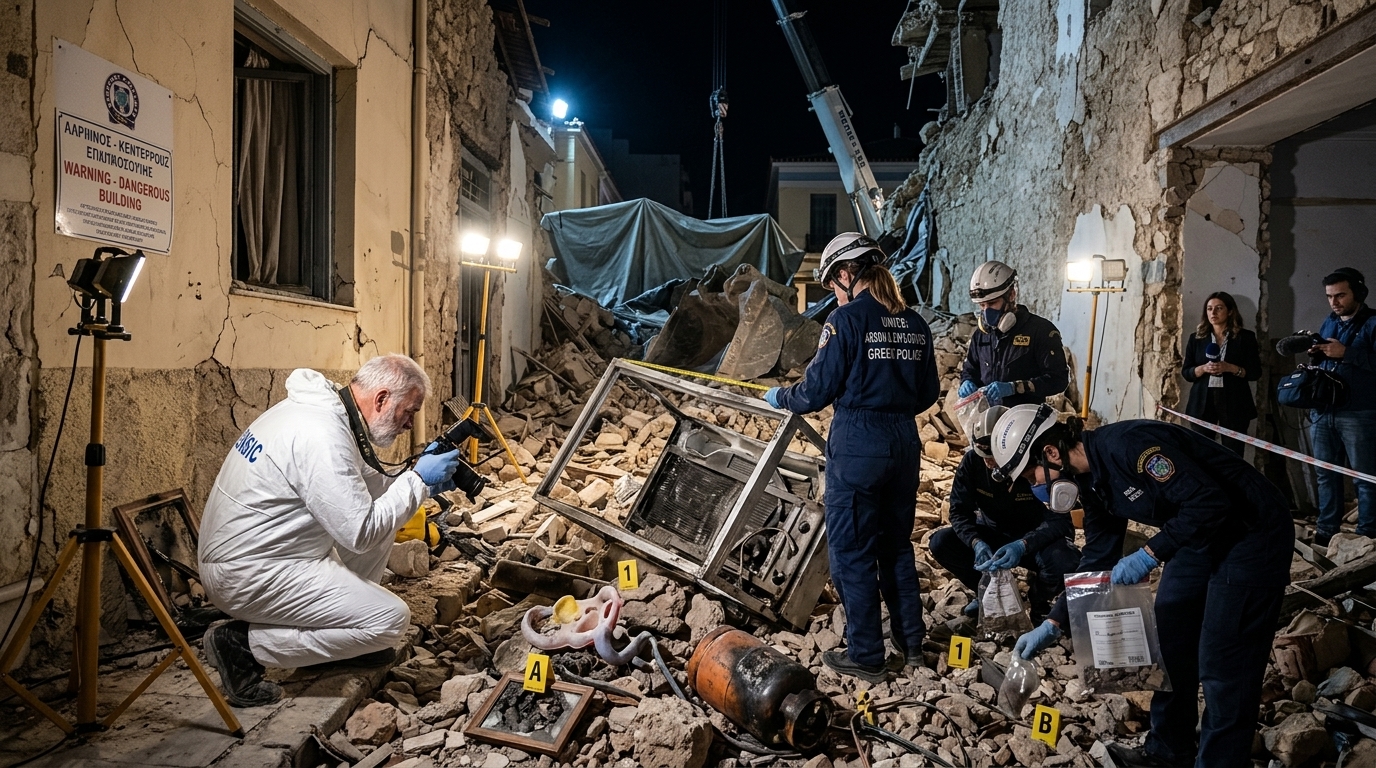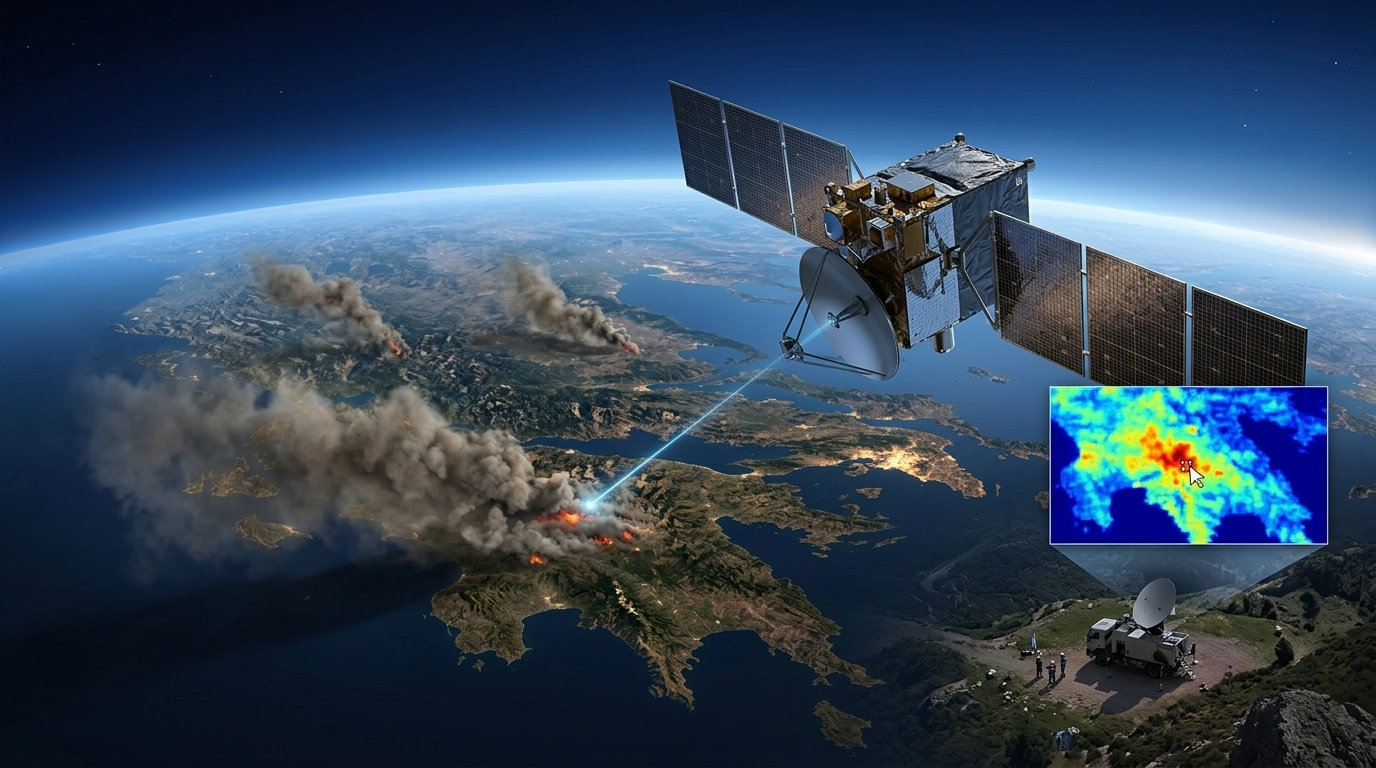
In an effort to bolster firefighting efficiency against the increasingly extreme conditions of climate change, Greece is testing the Hellenic Fire System. This constellation of four low-orbit thermal satellites is specifically designed for the early detection and monitoring of forest fires.
Cutting-Edge Detection Technology
Developed by the German satellite firm OroraTech in collaboration with the Hellenic Space Center, the system boasts impressive capabilities. According to Ioannis Lantouris, OroraTech’s head of operations in Greece, the satellites can detect heat sources as small as 4 by 4 meters.
A key advantage of the system is its use of thermal sensors, which allow for the "reading" of fire fronts even through thick smoke, where conventional cameras or aerial means often struggle. Furthermore, data processing begins on the satellite itself, accelerating the transmission of critical information to ground forces.
Operational Readiness and Challenges
While the system is expected to become fully operational in September, it has already been providing data to Greek authorities following wildfires in Attica and various islands since June. The software combines thermal signals with data on vegetation, topography, and wind to estimate the fire's potential spread.
However, technological superiority comes with integration challenges. Dimitris Bilziotis, Earth Observation programme manager at the Hellenic Space Center, notes that training for Fire Service personnel is essential to effectively utilize these new data types in daily operations. The shift from human alerts to automatic satellite detection is considered vital for remote and inaccessible areas.