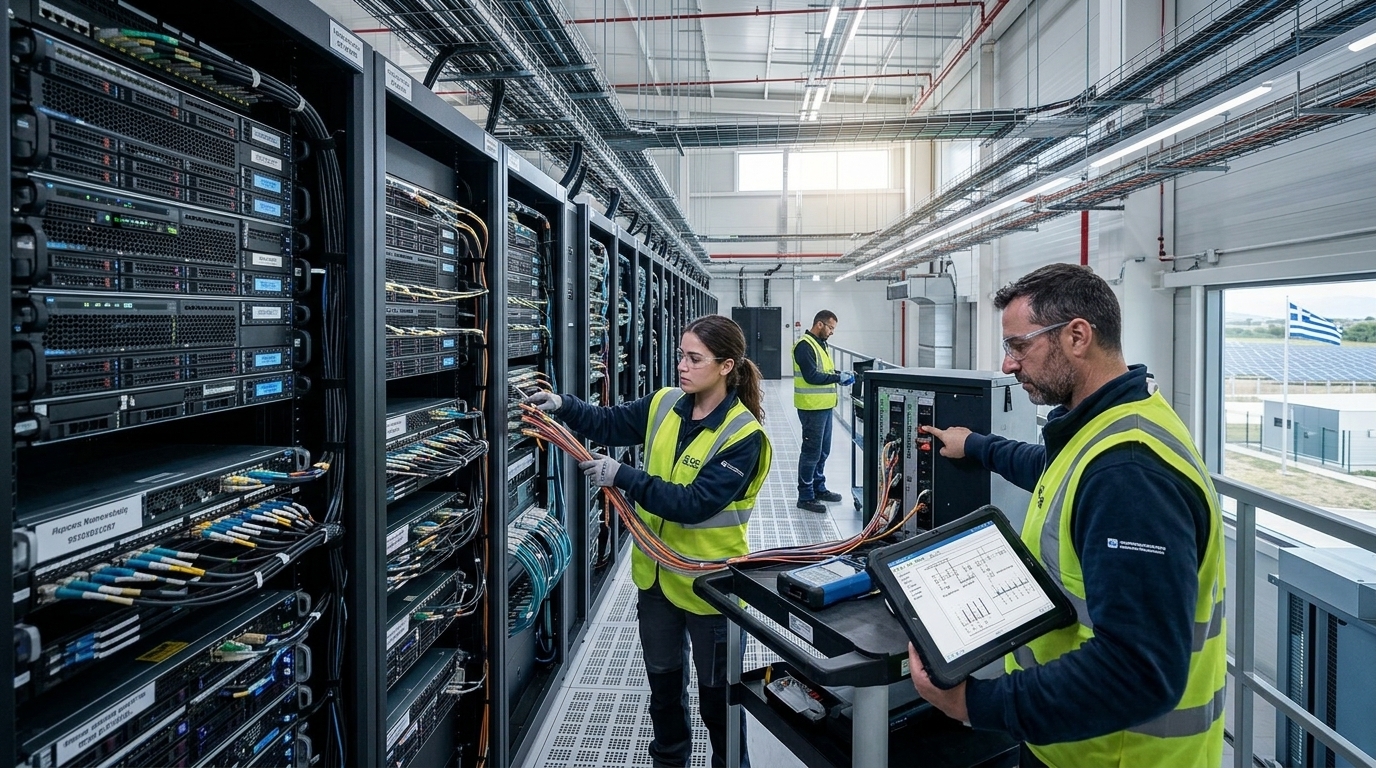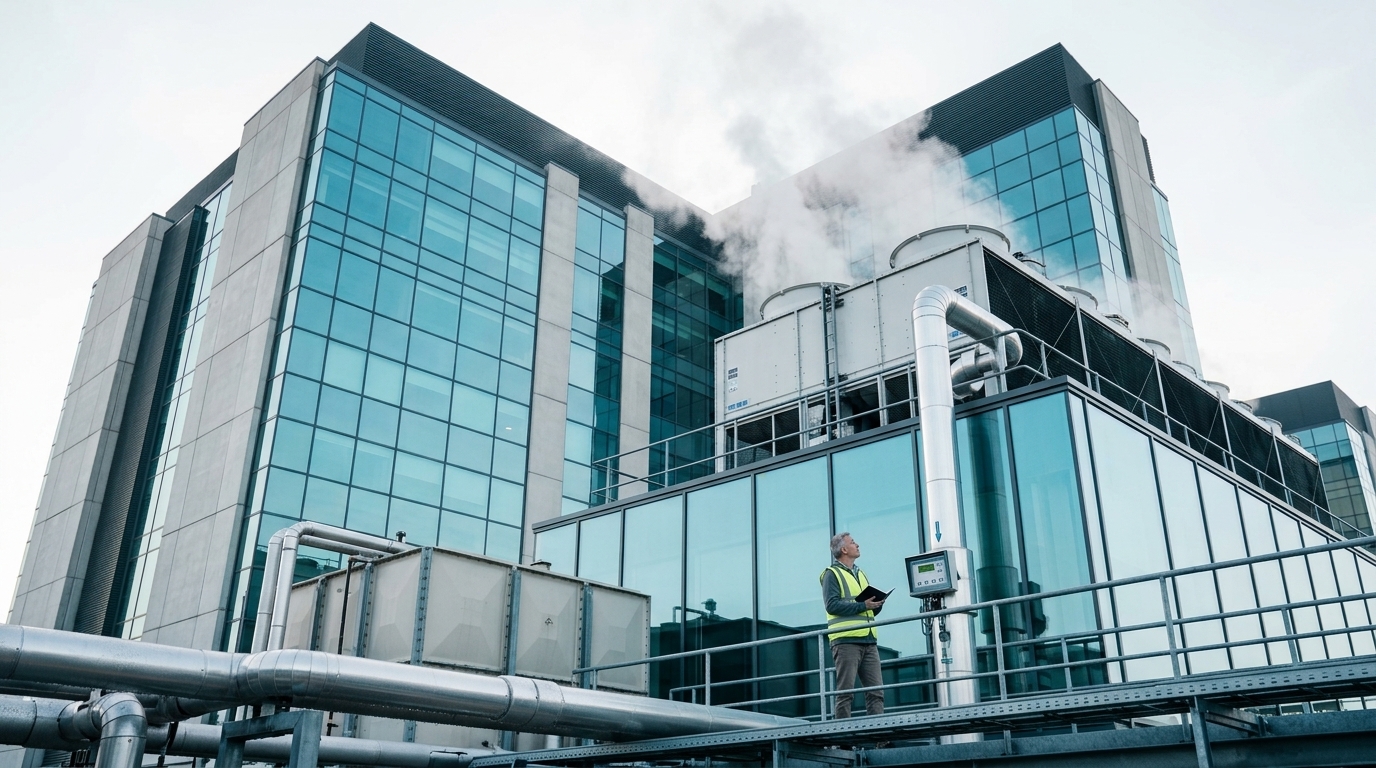
The rapid expansion of Artificial Intelligence and data centers is accompanied by a disproportionately high environmental cost. According to Vassilis Vassilopoulos, a postdoctoral researcher at the Ionian University specializing in AI governance, every single query submitted to an AI system can consume up to 500 ml of water for infrastructure cooling.
Energy Requirements on a City Scale
Energy demands are equally staggering. Large-scale facilities operated by companies like Amazon and Meta consume electricity equivalent to that of cities with 50,000 to 100,000 residents. While there are plans for data centers to utilize Renewable Energy Sources (RES), Vassilopoulos questions why this energy is not directed to the public grid to lower costs for citizens instead of being monopolized by these facilities.
Trillion-Dollar Investments and the Greek Landscape
The sector is expected to attract investments reaching $17 trillion over the next five years, with the US and China leading the charge. In Greece, approximately 20 data centers are already operational, mostly concentrated in the Attica region. However, the researcher warns of significant cybersecurity risks stemming from the concentration of vast amounts of personal and state data in a limited number of infrastructures.
The Infrastructure Gap in Greek Universities
A critical issue highlighted by the researcher is the "stumbling block" faced by academic research due to the lack of independent computing infrastructure in Greek universities. This deficiency often forces innovation generated within academic institutions to migrate to private research centers that possess the necessary computational power. Facilities like "Pharos" in Lavrio could potentially cover these needs, but access remains dependent on institutional agreements.
"It is like a driver starting a long journey without having checked the engine or the tire pressure," Vassilopoulos remarked regarding the uncritical development of AI.