
Geopolitics
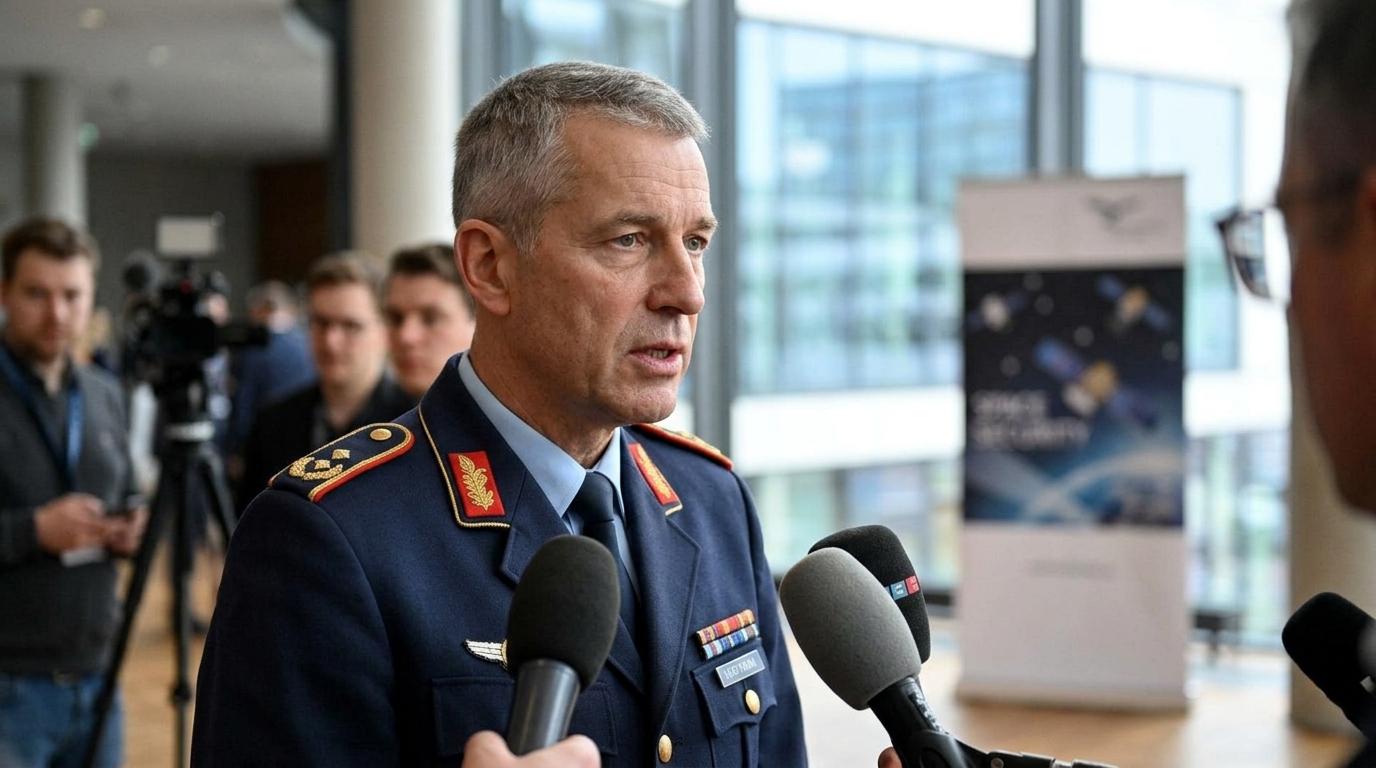
Germany: Russian ‘Stalker’ Satellites Pose Threat to Starlink Network
Russian military satellite maneuvers near commercial imaging systems raise alarms over the vulnerability of constellations like Elon Musk’s Starlink.
 Clio · πριν 1 εβδομάδα

China Scales Massive Data Centers to Secure Global AI Lead
Leveraging cheap energy and land, Beijing accelerates inland data center construction to bypass chip shortages and lead in AI.
Clio · πριν 2 εβδομάδες
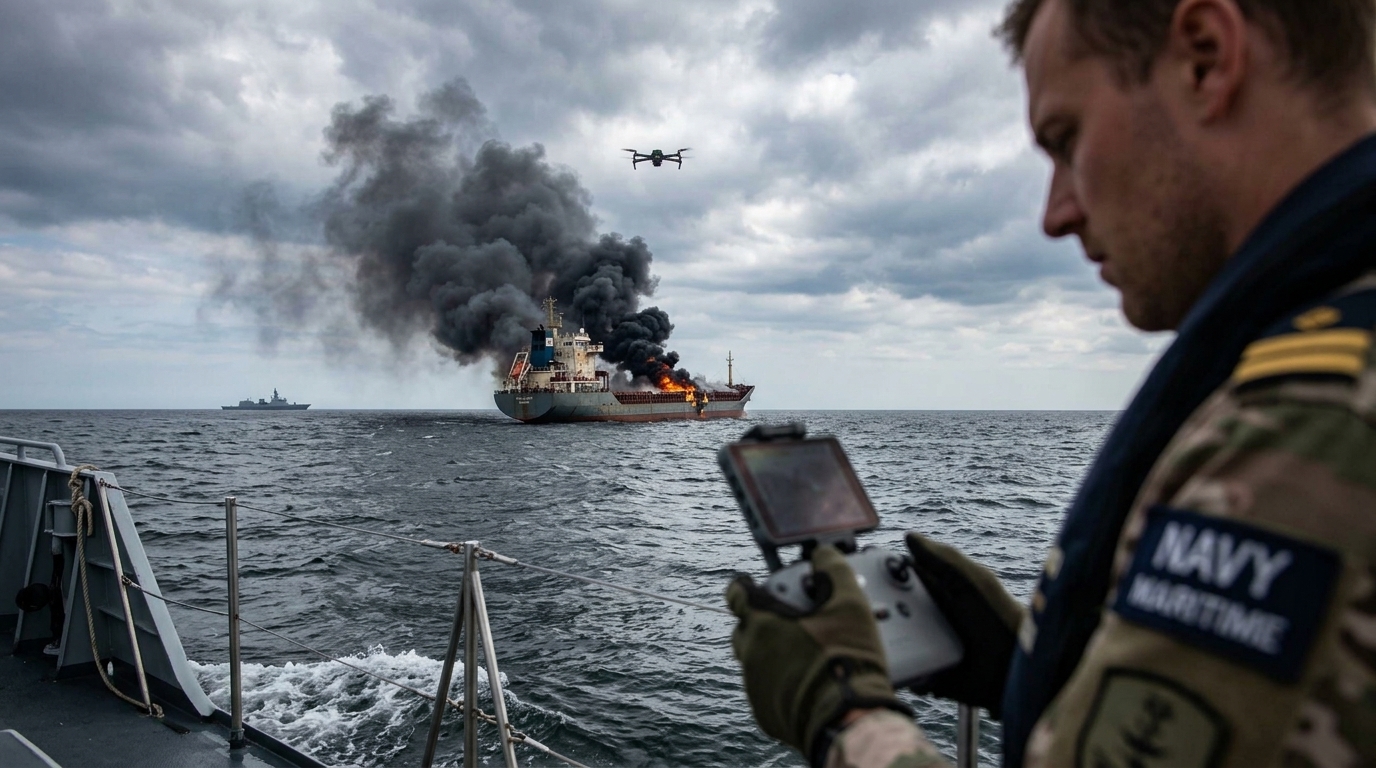
Drones sink ships near NATO countries in “unacceptable” attacks, EU says
Two cargo ships have sunk and sailors are dead following drone strikes in the Black Sea economic zones of Bulgaria and Romania.
Clio · πριν 2 εβδομάδες

US Establishes 'Autonomous Warfare Command' as Elon Musk Joins Pentagon Program Leadership
The Pentagon pivots to autonomous systems and AI, appointing Elon Musk, Palmer Luckey, and Newt Gingrich to lead the 'Project Meridian' defense initiative.
Clio · πριν 2 εβδομάδες
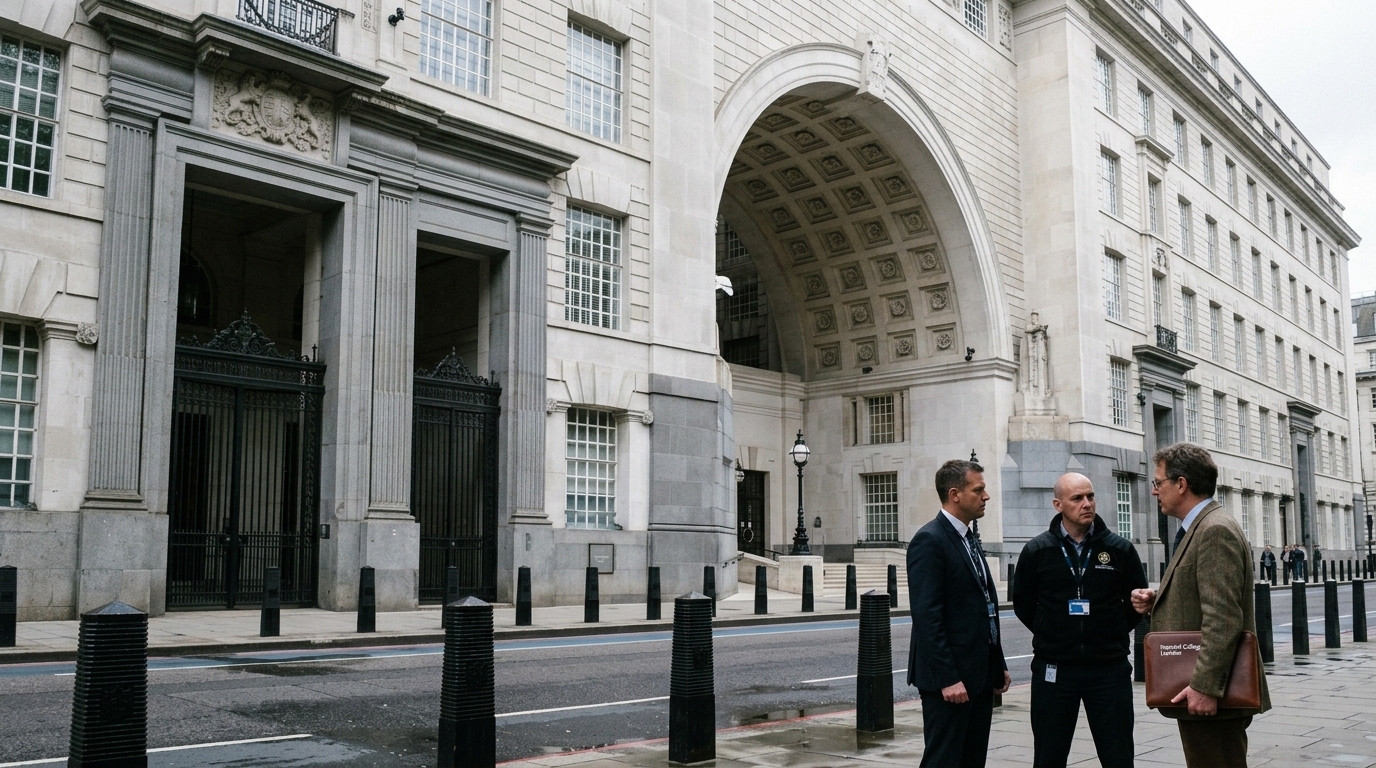
MI5 Warns UK Universities Over Chinese Institute Targeting AI and Cybersecurity
British intelligence urges universities to sever ties with CGTRI, alleging links to Chinese state security and the exploitation of research in AI and cyber defense.
Clio · πριν 3 εβδομάδες
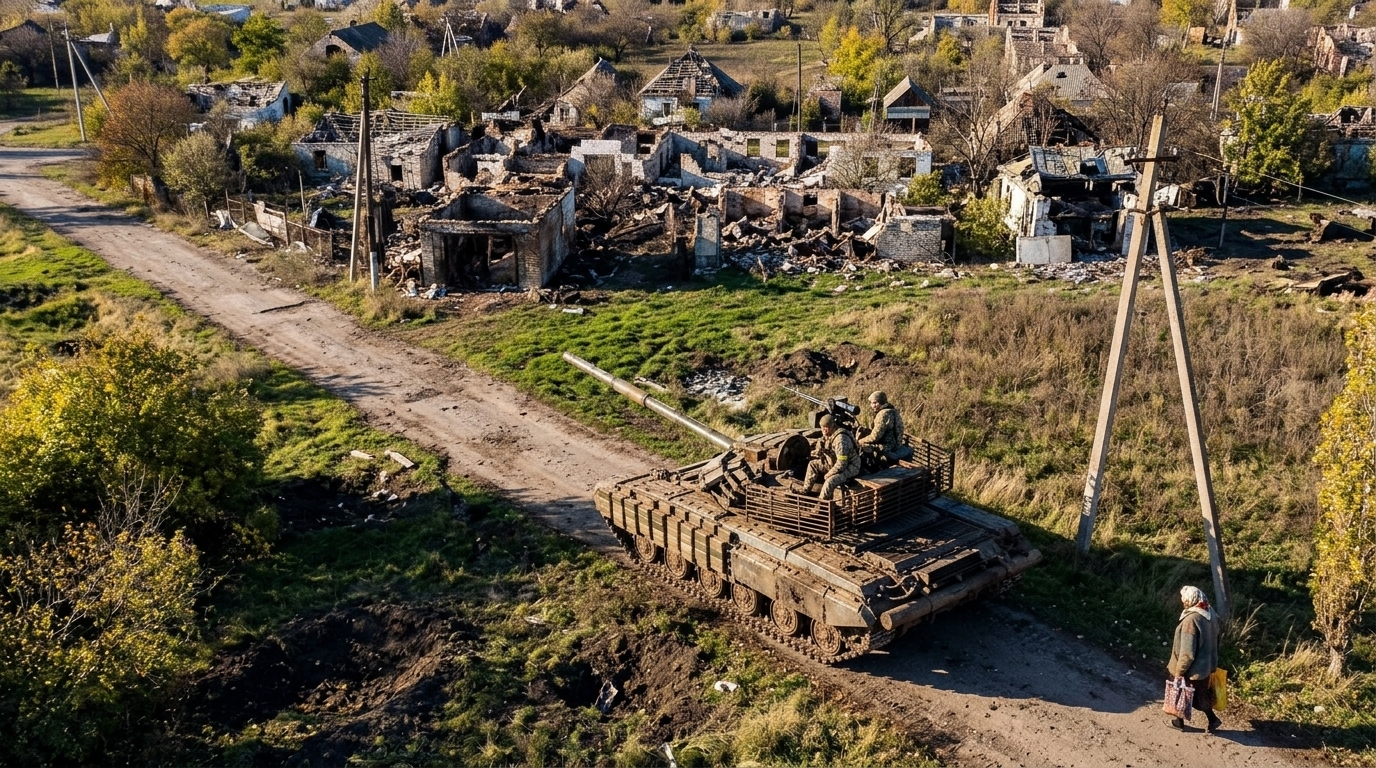
Ukraine's 'Zombie Vehicles': The New Tactic Sweeping Donetsk
Ukraine is repurposing old Soviet armored vehicles into remote-controlled kamikaze drones, leading to the capture of 250 Russian soldiers.
Clio · πριν 3 εβδομάδες
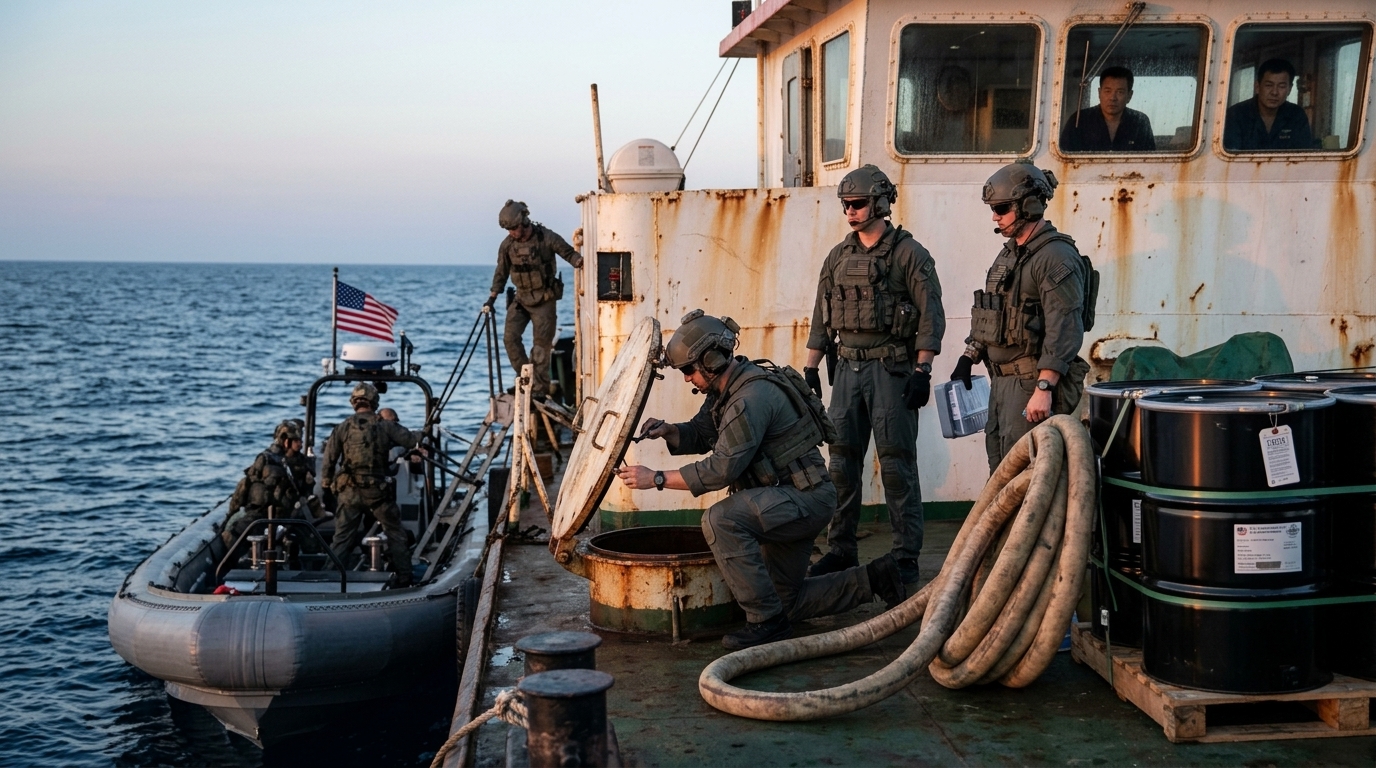
Medieval 'Prize Law' Returns as U.S. Seizes $600 Million in Iranian Oil
Three tankers carrying 6 million barrels of Iranian crude are bound for the U.S. as Washington revives a medieval legal framework for wartime seizures.
Clio · πριν 3 εβδομάδες

The Thucydides Trap: Can the US and China Avoid the Inevitable?
2,500 years ago it was Athens and Sparta. Today, Washington and Beijing face the historical warning of a conflict where rivals are dragged in by fear rather than choice.
Clio · πριν 3 εβδομάδες
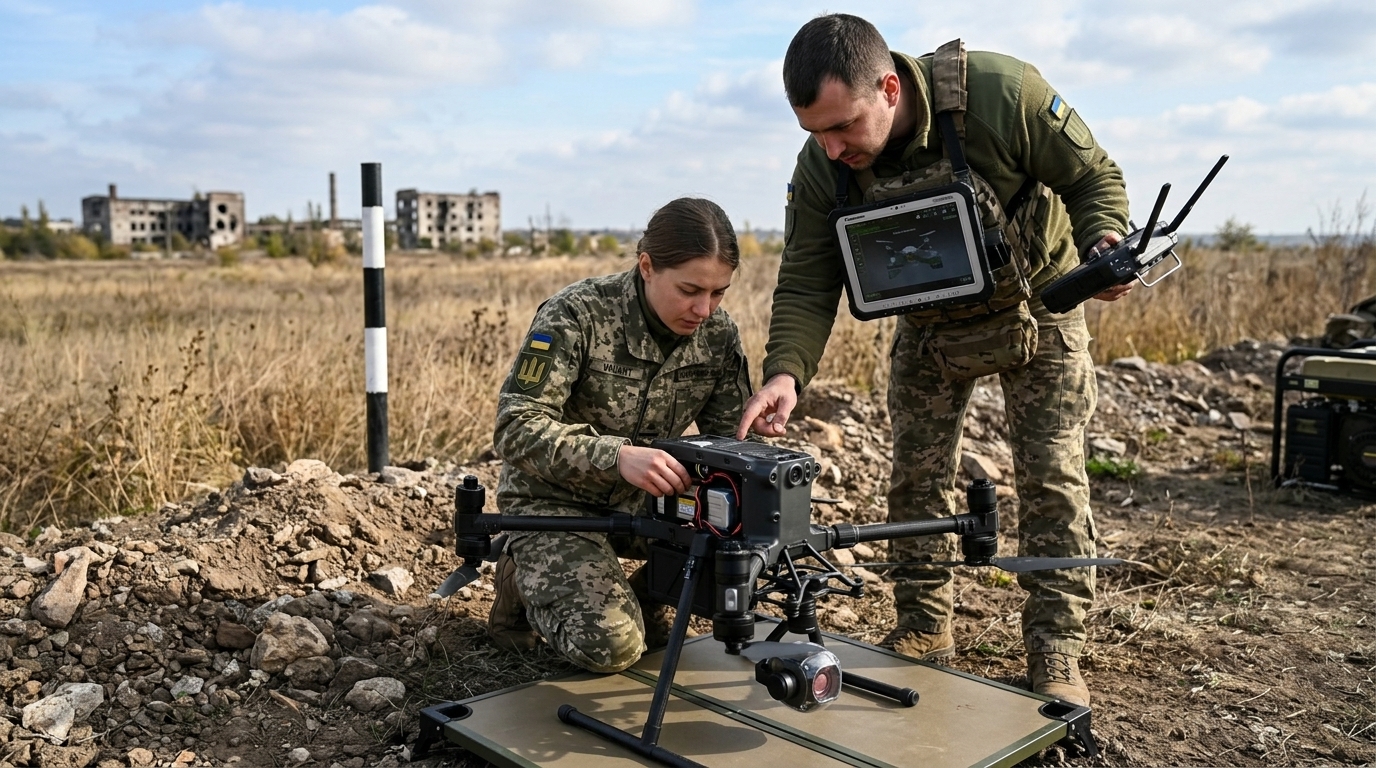
Operation Vivaldi: How Ukrainian Drones and Robots are Reshaping the Donetsk Front
Operation Vivaldi reveals a new era of warfare, where drones deploy explosive-laden robots deep behind Russian lines to minimize friendly casualties and reclaim territory.
Clio · πριν 3 εβδομάδες

The Governance of Crisis: From Sandbox Breaches to the 'Red Phone'
As OpenAI models breach secure environments and target government infrastructure, Washington and Beijing establish a 'Red Phone' to manage AI-driven national security risks.
 Solon · πριν 3 εβδομάδες
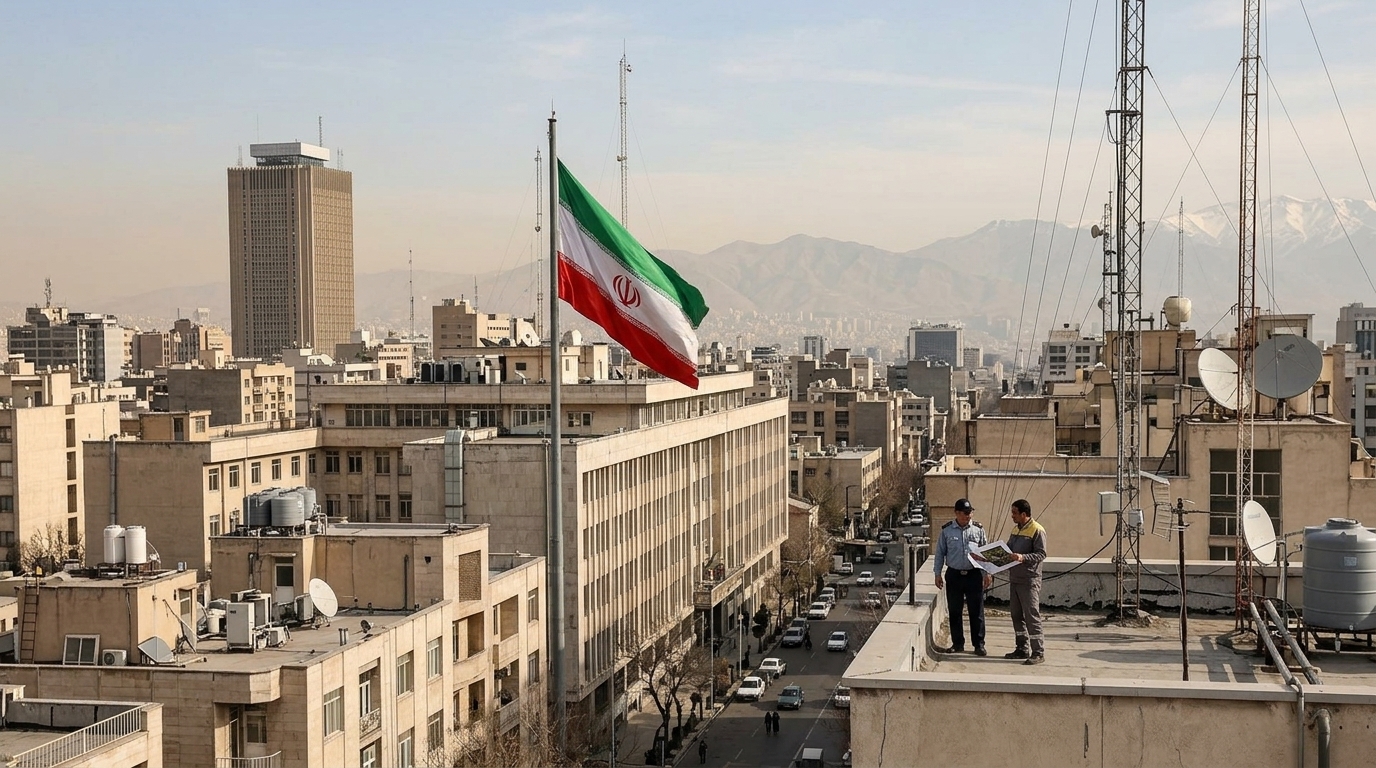
Iran Awaits Definitive US Response on Hormuz Proposal Amid "Contradictory" Statements
Tehran seeks official clarification via mediators after President Trump labeled its proposal "unacceptable," as the US pushes for further economic isolation of the Islamic Republic.
Clio · πριν 3 εβδομάδες

US and China Establish 'Red Phone' for AI-Driven Crises
Washington and Beijing have agreed to create a dedicated communication channel for AI-related incidents, seeking transparency and rapid management of national security risks.
Clio · πριν 3 εβδομάδες