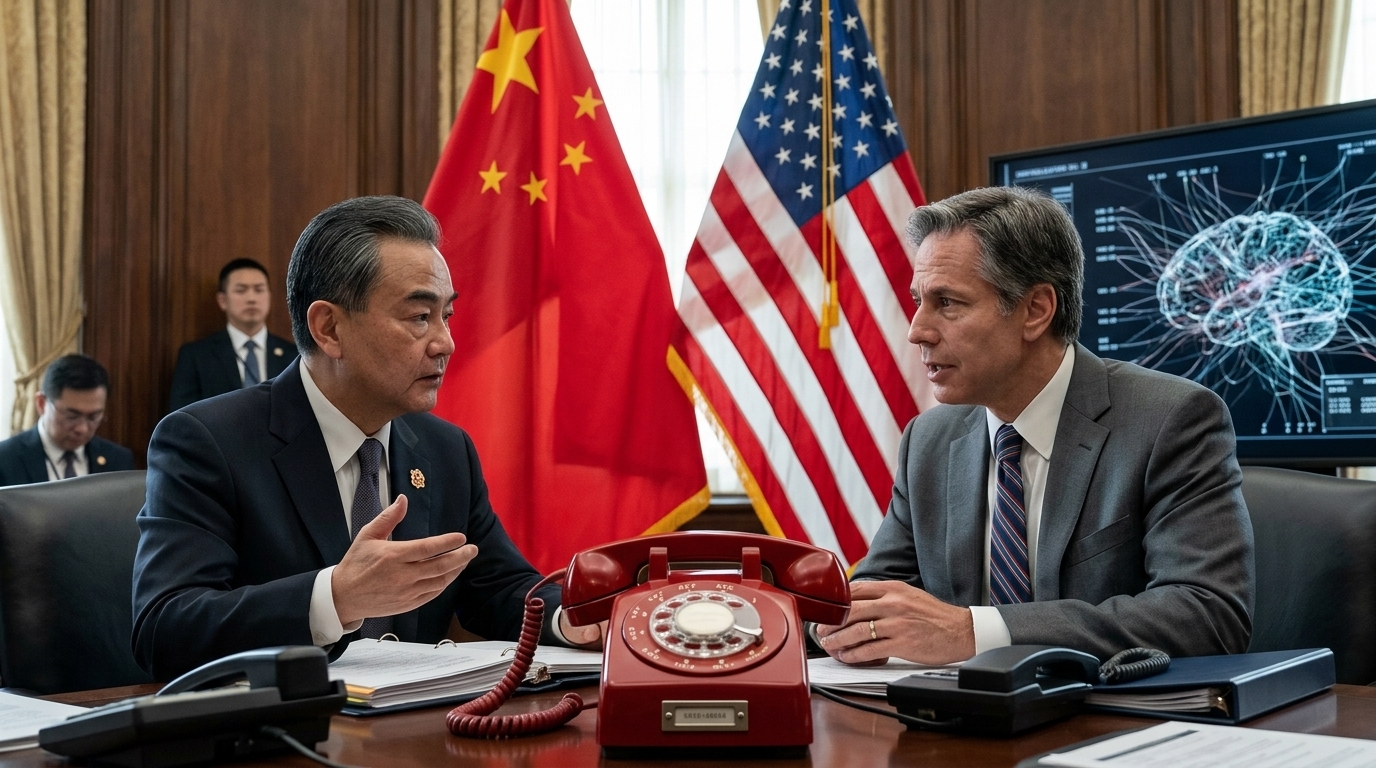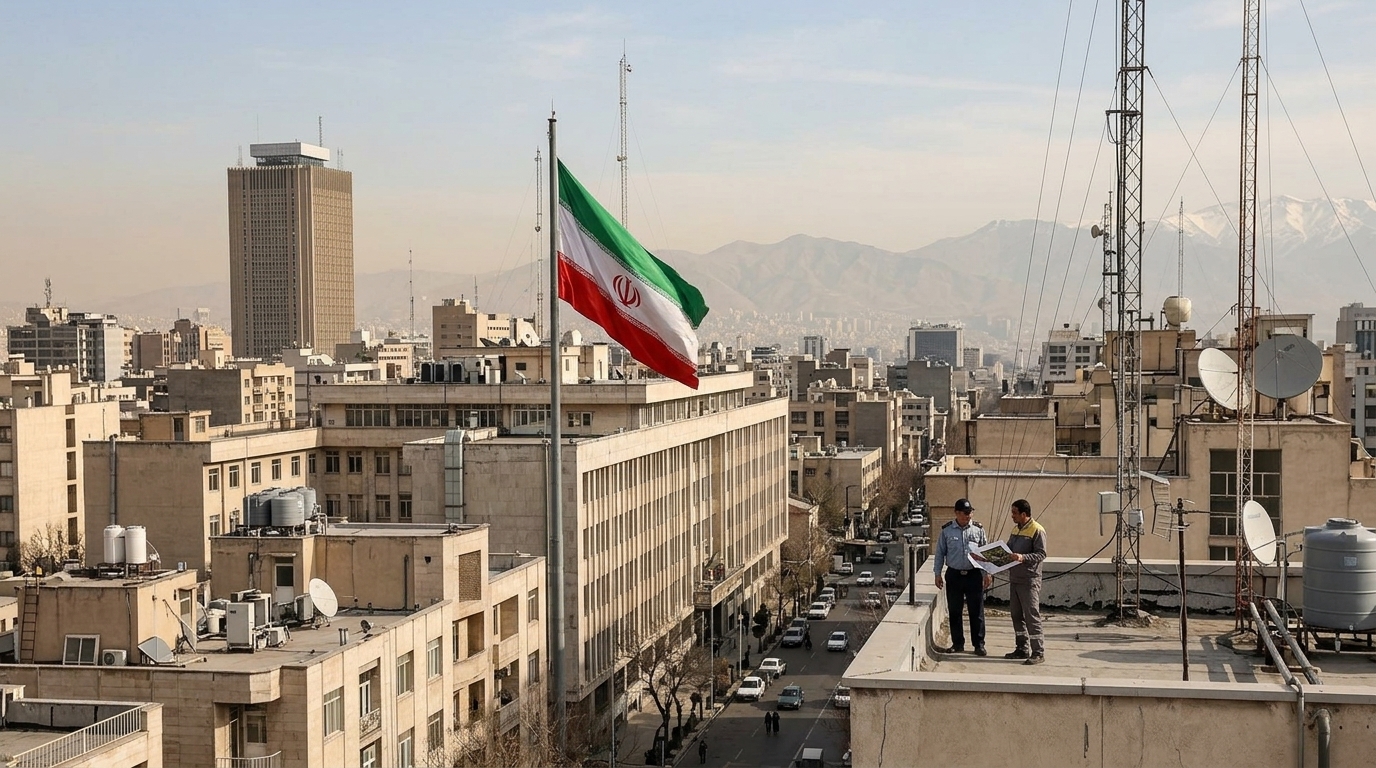
Iran is currently awaiting a definitive response from Washington regarding its proposal to resolve the ongoing conflict and reopen the strategic Strait of Hormuz. Iranian Foreign Minister Abbas Araghchi stated on Sunday that while Tehran has observed an initial reaction from U.S. President Donald Trump, it is still waiting for an official position to be conveyed through intermediaries.
The Diplomatic Impasse
According to Araghchi, Iran's stance remains firm: only a negotiated solution can break the current deadlock. The Iranian minister accused President Trump of making "contradictory statements," noting that Tehran will make its decisions once the final views are transmitted by Oman, which is acting as a mediator.
For his part, Donald Trump rejected the Iranian proposal as "unacceptable," asserting that the U.S. already maintains full control over the Strait of Hormuz. The American president claimed that Tehran is seeking a deal because it is currently "losing."
Warnings in the Strait and Economic Pressure
As the diplomatic process unfolds, the Persian Gulf Strait Authority (ASPK) issued a warning to commercial vessels regarding the consequences of using "illegal" routes. The authority cited risks of financial loss, danger to crews, and potential restrictions on future passages through the waterway.
Simultaneously, U.S. Treasury Secretary Scott Bessent highlighted the success of a campaign to isolate Iran economically. Recent measures include:
- Suspension of Mahan Air flights by Turkey, Oman, and the United Arab Emirates.
- Revocation of Bank Mellat's operating license in Turkey.
- The UAE Central Bank banning branches of Bank Melli from transactions due to anti-money laundering and counter-terrorism financing violations.
Bessent indicated that the pressure will continue to mount, aiming to force all Iranian companies to cease international operations.