Following a decision against pursuing all-out war, President Donald Trump is signaling a strategic shift toward sustained economic pressure on Iran. In a recent interview, Trump characterized the current U.S. approach as “low keying it,” suggesting that Tehran’s imploding economy will provide the necessary leverage for future negotiations.
Economic Collapse as a Strategic Tool
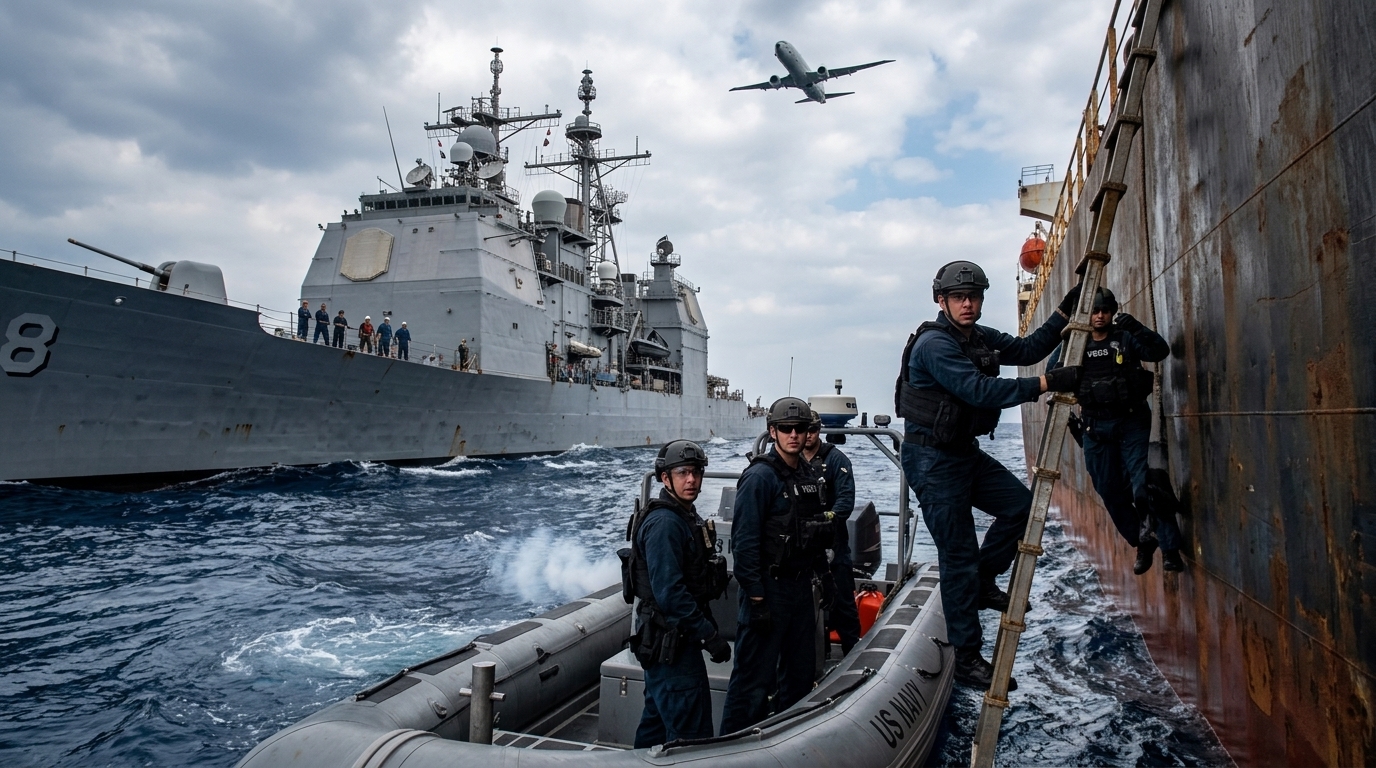
“We are just watching Iran with its huge inflation and the fact they have no money,” Trump stated, claiming the regime is currently unable to pay its own troops. The U.S. naval blockade has intensified an existing economic crisis that previously sparked nationwide protests in January. Trump described the current standoff as a “chess game,” betting that internal pressure will force concessions that military action could not secure.
This pressure is reportedly deepening rifts within the Iranian government. Pragmatists, including President Masoud Pezeshkian, are expressedly worried about economic stability and favor a deal. Conversely, hardliners led by the Islamic Revolutionary Guard Corps (IRGC) remain opposed to engagement, even as the Deputy Foreign Minister admits the economy desperately requires sanctions relief.
The Oil Leak and Military Realities
A significant irony of the current blockade is the “shadow” export of oil. Approximately 8 million barrels are reportedly exiting the Persian Gulf nightly through a southern lane in the Strait of Hormuz. This effort, assisted by the U.S. military, aims to prevent a global supply crunch and keep domestic U.S. energy prices stable while maintaining the broader blockade.
The pivot to economic warfare also reflects narrowing military options. Despite 40 days of bombardment earlier this year, the U.S. failed to fully reopen the Strait of Hormuz. Furthermore, reports indicate that U.S. munitions stockpiles, particularly interceptors for drones and missiles, are running low, prompting military leadership to seek diplomatic off-ramps rather than continued combat.