In a move that is reverberating through the global tech landscape and redrawing the map of Chinese innovation, social media and gaming titan Tencent has announced a significant investment in a new Artificial Intelligence laboratory. The noteworthy aspect is not merely the size of the investment, but the pedigree of the lab’s founders: they are elite researchers who until recently formed the backbone of rival Alibaba’s AI division. This development signals a new era of 'liquidity' within China's ecosystem, where the competition for top-tier talent transcends traditional corporate rivalries.
The Strategy Behind Tencent’s Bold Investment
For years, Tencent and Alibaba operated as the two poles of a bipolar technological system in China. However, the advent of Generative AI has fundamentally altered the rules of engagement. Tencent, despite its dominance in WeChat and cloud computing, recognizes that the next phase of the digital economy will be decided by the architecture of Large Language Models (LLMs). By investing in a team that intimately understands both the successes and failures of Alibaba’s AI efforts, Tencent is essentially purchasing time and specialized expertise.
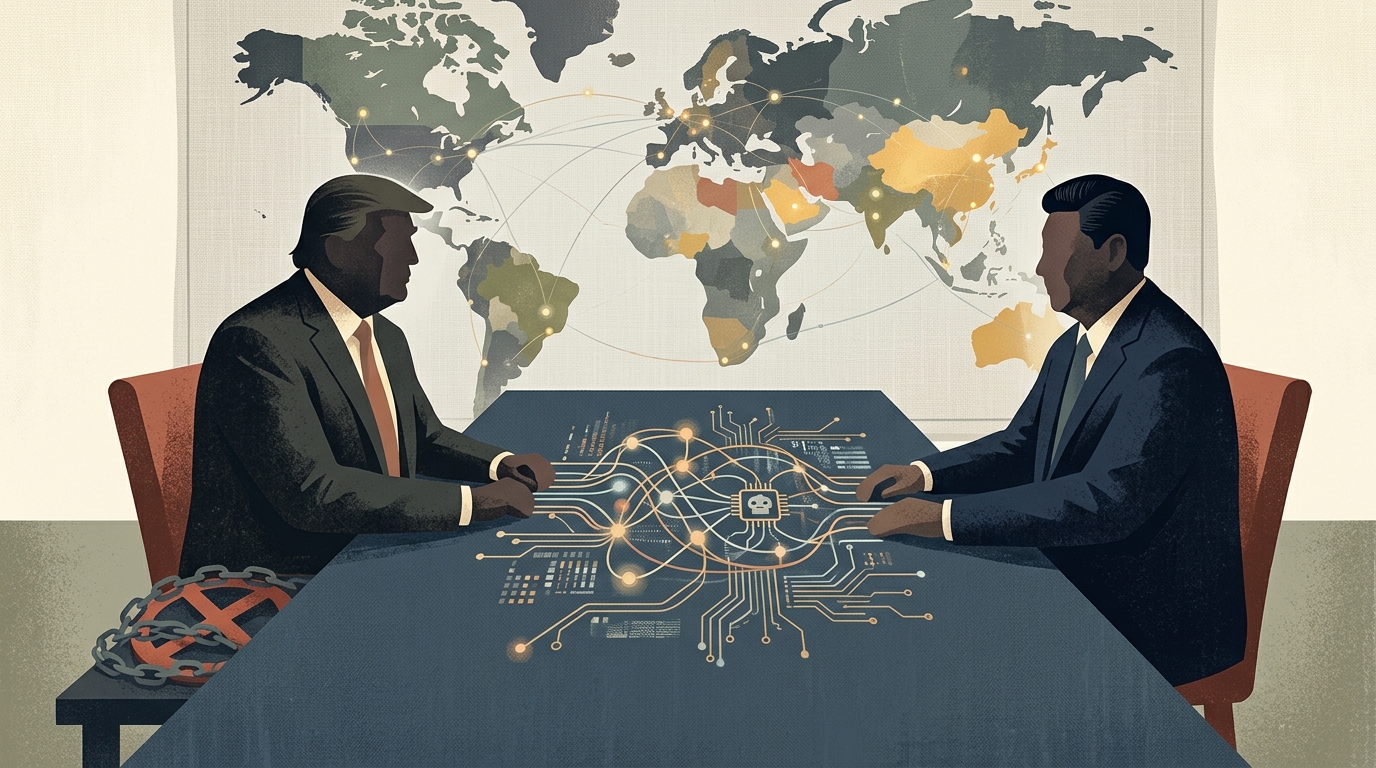
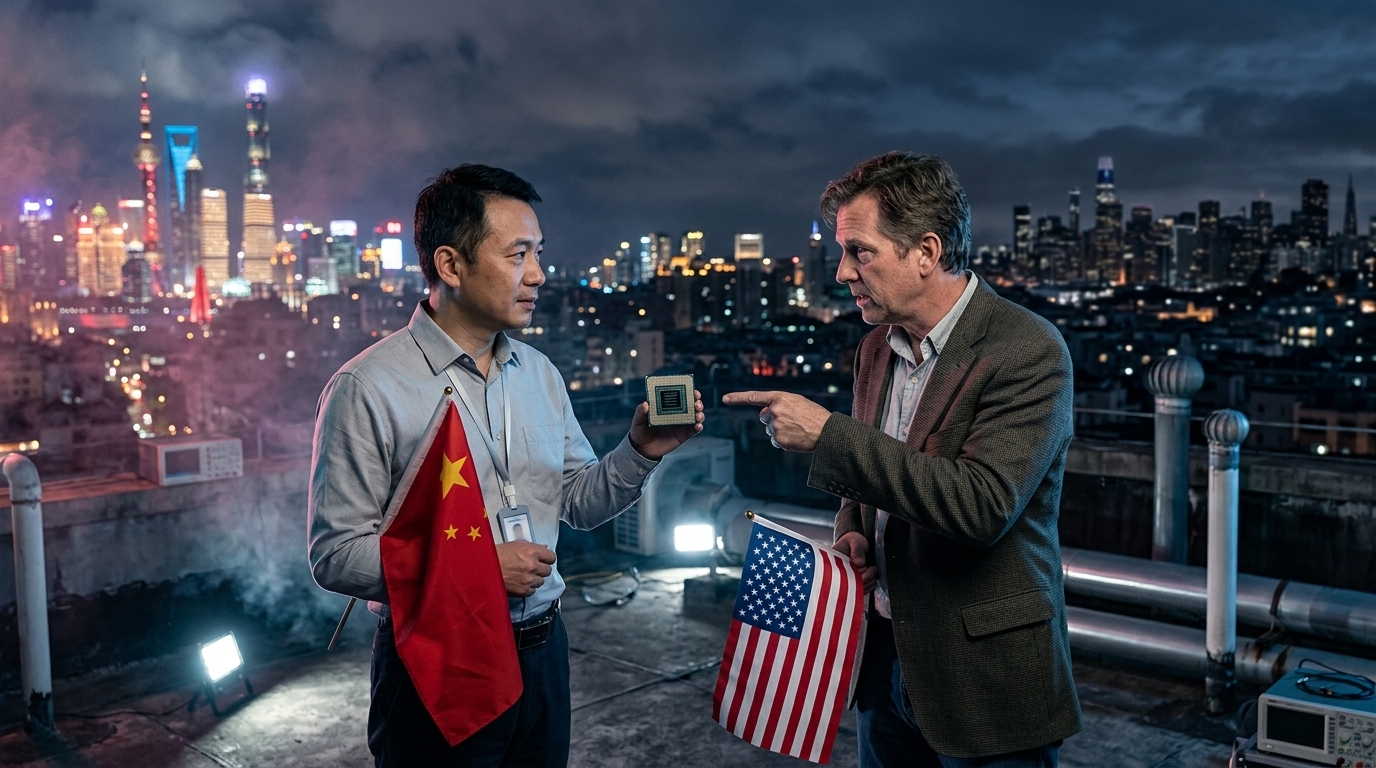
The new lab, whose name remains a subject of intense speculation in Beijing and Shenzhen tech circles, focuses on developing next-generation models that promise greater efficiency with fewer computational resources. This is a critical focus given the ongoing US export restrictions on advanced chips, such as those from Nvidia. This investment is not just a business maneuver; it is a geopolitical statement: China is consolidating its innovation front to challenge the dominance of OpenAI and Google.
Geopolitical Implications and China’s 'National Team'
From a geopolitical perspective, this move reflects Beijing’s desire for greater cooperation among domestic giants. Following the regulatory crackdowns of previous years, the Chinese government now appears to be encouraging 'convergences' that bolster national strength in AI. The fact that Tencent is funding former Alibaba talent suggests that the rigid silos of the past are collapsing under the weight of the need for technological self-reliance.
- The urgent need for domestic alternatives to models like GPT-5 and Claude 3.
- Optimizing algorithms to run on domestic hardware, such as Huawei’s Ascend processors.
- Creating an 'innovation ecosystem' that is decoupled from Silicon Valley dependencies.
Analysts point out that this 'cross-pollination' of talent is essential. Alibaba, which recently restructured its cloud and AI divisions, appears to be losing executives who seek greater flexibility and the venture capital that Tencent is more than willing to provide. This is giving rise to a new type of 'Little Giant' in the Chinese market: firms that are operationally independent but backed by the near-limitless capital of established behemoths.
Challenges and the Future of AI in the East
Despite the prevailing optimism, the challenges ahead are formidable. Merging disparate corporate cultures—from Alibaba’s commerce-centric mindset to Tencent’s product-focused ethos—is rarely seamless. Furthermore, international pressure is mounting. The United States is closely monitoring such investments, fearing that the concentration of talent and capital will accelerate Chinese military AI applications.
"Artificial intelligence is no longer a race between companies, but a race between ecosystems. Tencent isn't just buying a startup; it's securing a seat at the table of tomorrow's superpowers," notes a tech executive based in Hong Kong.
In conclusion, Tencent’s investment in the new venture founded by former Alibaba researchers represents a watershed moment. It demonstrates that in the AI era, talent is the most valuable currency, and old rivalries are set aside in the face of the existential need for leadership. Whether this new lab can produce a breakthrough that surprises the West remains to be seen, but the momentum it creates is undeniable.