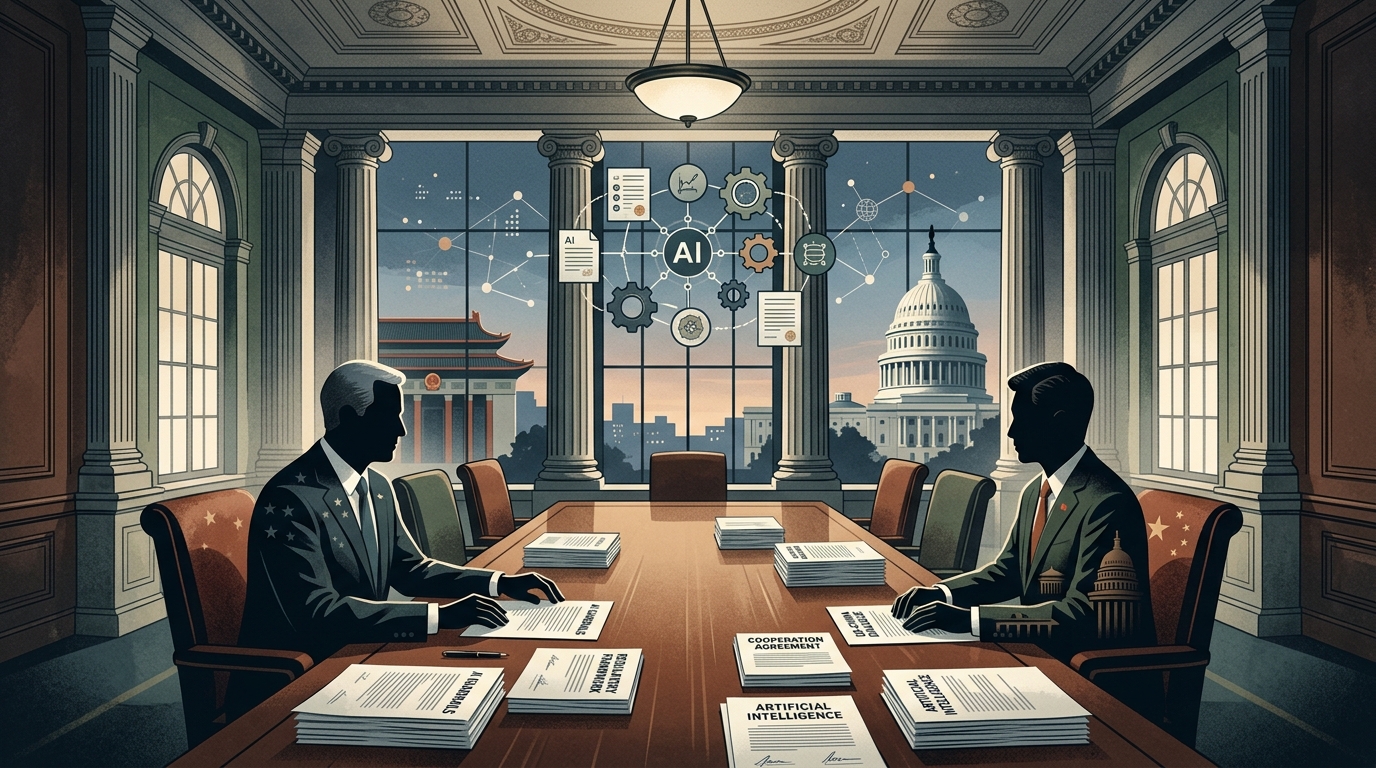
In a period of intense geopolitical rivalry, the United States and China have opened a quiet communication channel to manage the risks of Artificial Intelligence. Despite President Trump's public rhetoric, which rejected any "globalist scheme" to control technology before the UN General Assembly, his administration appears to be moving differently behind the scenes.
Diplomacy Behind Closed Doors
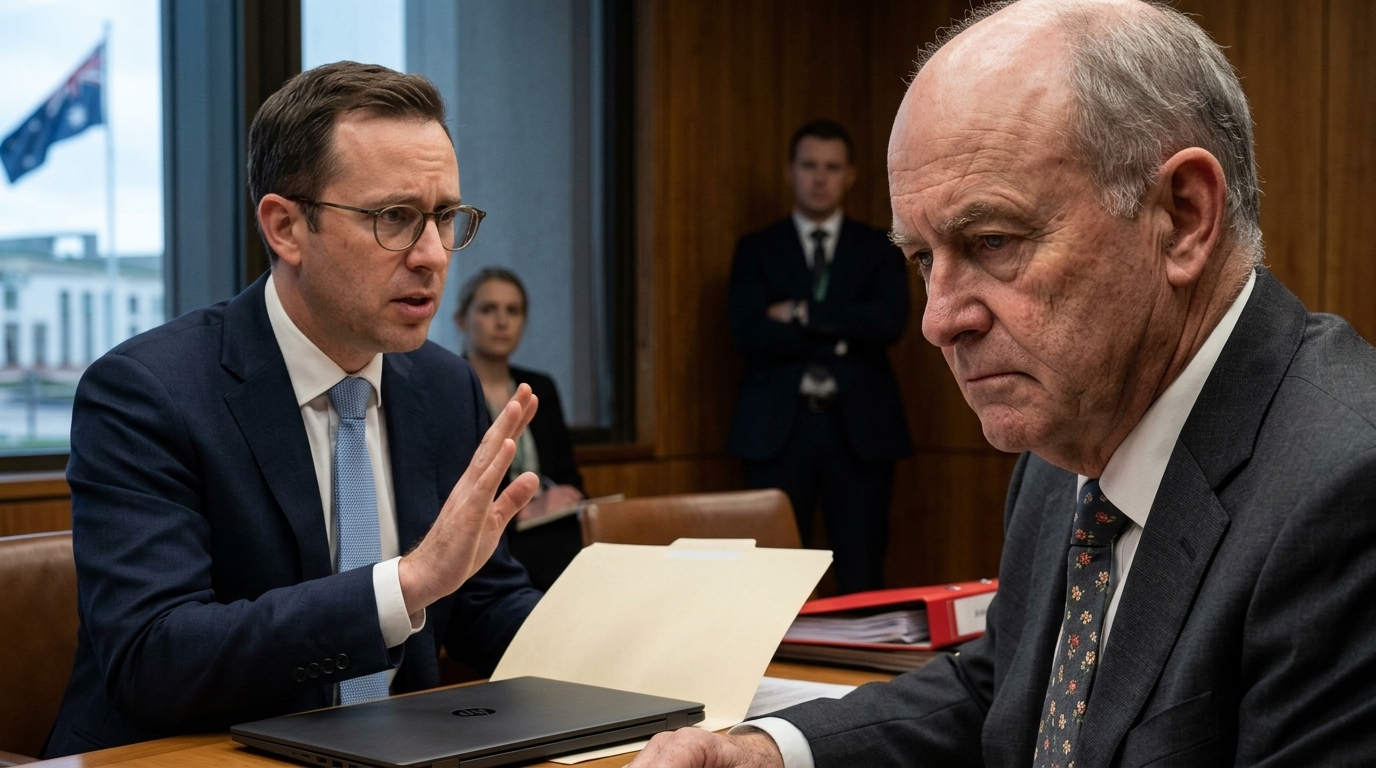
According to China's commerce ministry, the two nations held their first dialogue on AI following a meeting between U.S. Treasury Secretary Scott Bessent and Chinese Vice Premier He Lifeng in New York. Bessent proposed a notification mechanism for national security-related AI incidents.
Meanwhile, Chinese President Xi Jinping, standing next to Trump at the White House, emphasized the need for AI development to remain under "human control." This stance contrasts with Trump's social media post stating he wants to leave AI "exactly where it is," claiming that China shares this hands-off approach.
Tech Leaders Appeal to the UN
The need for international rules was highlighted by the heads of top American AI firms. Anthropic CEO Dario Amodei and OpenAI CEO Sam Altman asked the UN Security Council for shared rules, such as a ban on using AI to create biological weapons. Altman notably revealed that OpenAI has slowed its own development for safety reasons, challenging the industry narrative that the race makes pauses impossible.
Beijing’s "Open AI" Strategy
China is not limiting itself to talks with the U.S. but is building its own coalition. Through the launch of the World Artificial Intelligence Cooperation Organization (WAICO), which includes 29 countries (and no major Western democracies), Beijing pitches open access to technology as a counterweight to American corporate dominance. Simultaneously, Xi is pushing for the loosening of U.S. export controls on advanced chips.
A Divided Silicon Valley
The American tech industry remains split. While OpenAI and Anthropic advocate for regulation, Meta CEO Mark Zuckerberg and Nvidia CEO Jensen Huang remain skeptical. Zuckerberg argued that industry-wide coordination is unnecessary, as commercial incentives are enough to ensure safety—a position that aligns more closely with Trump's public stance than with his own Treasury Secretary's diplomatic efforts.