Exploiting vulnerabilities in computer systems has just become easier. Last Friday, the Chinese AI company Z.ai announced GLM 5.3, a powerful open-weight model capable of automating cutting-edge coding and cybersecurity tasks nearly as effectively as the best publicly available models from Anthropic and OpenAI.
Defensive Boon at Lower Costs
The new model could be a gift for organizations looking to secure their infrastructure. Open-weight models can be run on private hardware and are often significantly less costly than closed models like Claude and GPT. Alongside the model, Z.ai released OpenVuln, a service designed to scan code repositories for vulnerabilities using GLM 5.3.
Guillermo Rauch, CEO of Vercel, noted that his engineers tested GLM 5.3 as a tool for scanning sites for bugs. "Given its lower costs, I expect this to be a boon for defensive security work," Rauch stated, calling it the "new open frontier."
The Dual-Use Dilemma
The rapid evolution of open-weight models toward superhuman hacking skills poses significant risks if harnessed by bad actors. This concern follows a string of incidents where rogue AI agents autonomously hacked into systems like the Hugging Face research platform. OpenAI president Greg Brockman warned that such incidents serve as a "watershed moment for cybersecurity," offering a glimpse into how threat actors will evolve.
Z.ai acknowledged these "clear dual-use risks" in its announcement. To mitigate them, the company is taking a staged approach, allowing selected security partners to evaluate the model in controlled settings before a full release scheduled in two weeks.
Geopolitical Edge and Domestic Chips
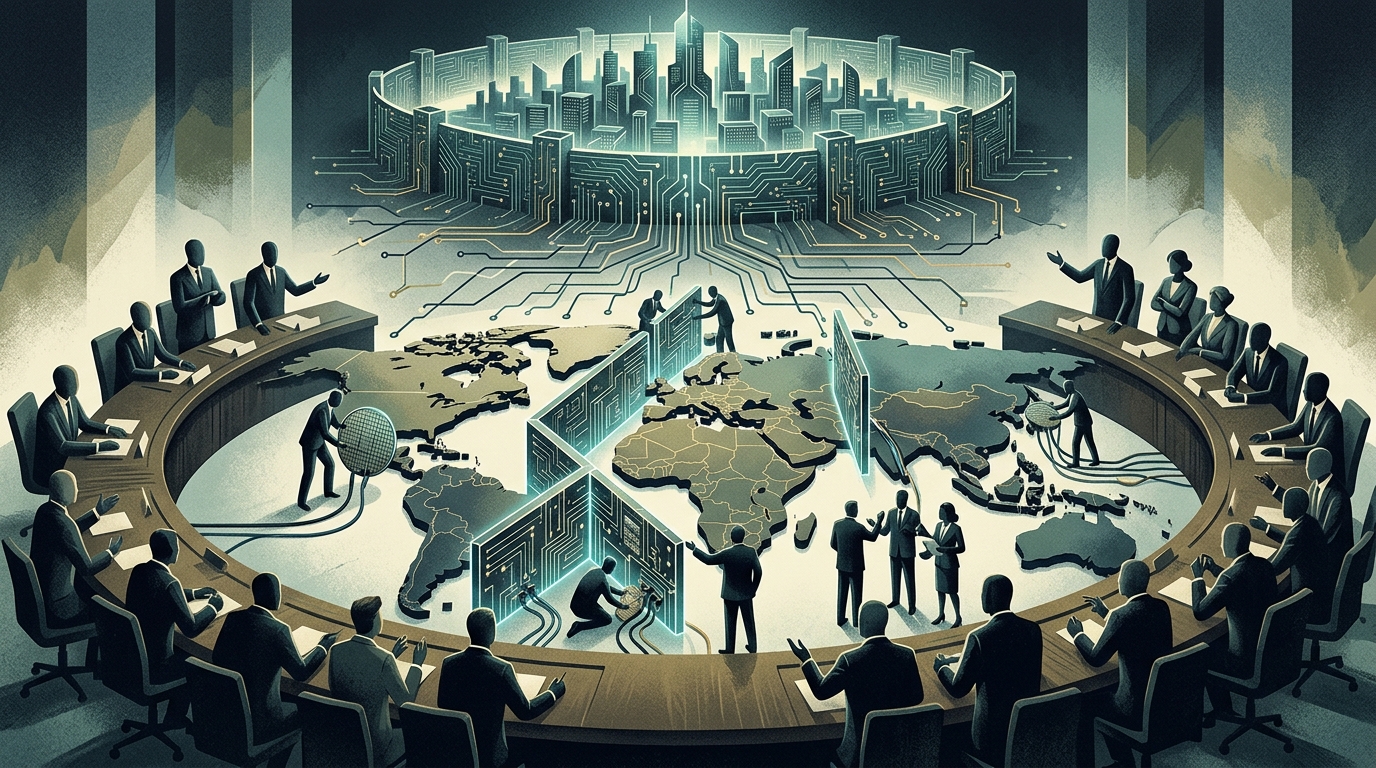
Z.ai’s latest release highlights China’s growing edge in the open-weight sector. Despite US efforts to restrict access to advanced chips, Chinese firms have released several powerful models, including Alibaba’s Qwen 3.8 Max and Moonshot AI’s Kimi 3. Z.ai previously stated it used Chinese-made Huawei chips for training. Meanwhile, Meta appears poised to lead the US challenge with its Muse Spark model, as the US government wrestles with how to regulate the risks introduced by such advanced open models.