In an era where Artificial Intelligence (AI) is increasingly viewed as the "new nuclear energy" of the geopolitical chessboard, China has taken a decisive step that is expected to reshape the global technological landscape. According to recent industry reports and analyses, Beijing has begun implementing strict restrictions on foreign users' and enterprises' access to advanced Large Language Models (LLMs) developed by giants such as Baidu, Alibaba, and Tencent. This move is not merely a reaction to U.S. sanctions but a strategic stride toward full technological sovereignty and the protection of national security.
The Strategy of Enclosure and National Security
The Chinese government's decision to curb API access and development tools for foreign entities stems from a deep-seated concern regarding data security and ideological integrity. For the Chinese Communist Party, AI models are not just productivity tools but information carriers that must align with national values. By allowing foreign powers—particularly the U.S. and its allies—to "stress-test" or train systems on Chinese models, Beijing believes it exposes vulnerabilities in its own infrastructure.
Furthermore, there is the persistent fear of reverse engineering. Chinese authorities worry that foreign researchers could use access to Chinese LLMs to decipher training methodologies and the underlying datasets, thereby gaining an advantage in the global AI arms race. This "digital introversion" marks the end of the era of open collaboration that characterized the early phase of machine learning development.
Retaliation Against the American "Enclosure"
One cannot analyze this move without considering the broader context of Sino-American relations. The United States has already imposed stringent restrictions on the export of advanced semiconductors (chips) from Nvidia and AMD to China, while also considering restrictions on Chinese companies' access to American cloud services. Beijing's move to "lock down" its own models is a direct response to Washington's "small yard, high fence" policy.
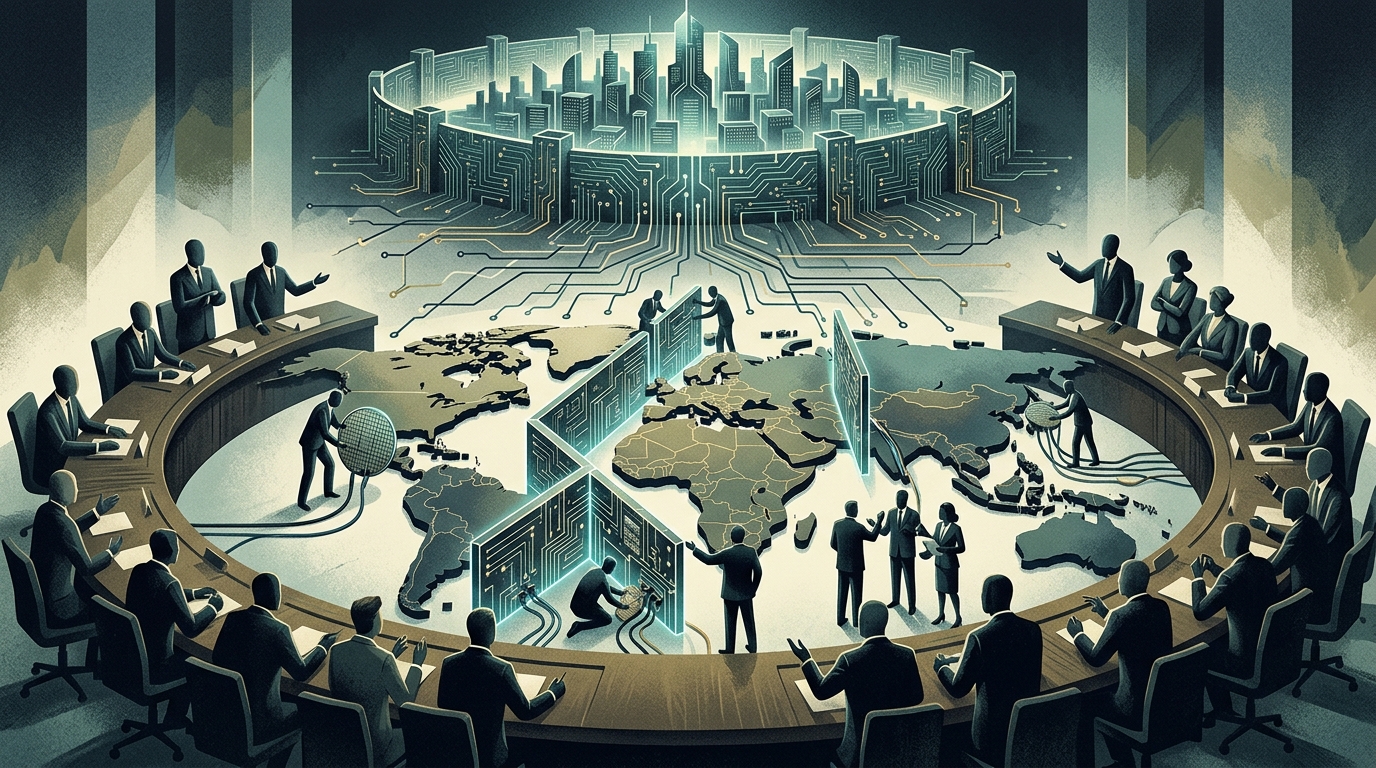
In reality, we are witnessing a full-scale fragmentation of the internet, the so-called "Splinternet." On one side, a Western ecosystem built on models like OpenAI's GPT and Google's Gemini; on the other, a Chinese ecosystem centered around Ernie Bot and Tongyi Qianwen. The lack of interoperability and the inability of researchers to collaborate on common standards threatens to slow global scientific progress, as both sides will henceforth develop technologies in silos.
Economic Implications and the Rise of "Sovereign AI"
For Chinese tech firms, this development is a double-edged sword. On one hand, they secure a massive domestic market without foreign competition, as access to Western models is already limited in China. On the other hand, isolation from the global developer ecosystem could stifle innovation. The history of technology has shown that the most successful systems are those that are widely adopted and improved through global usage.
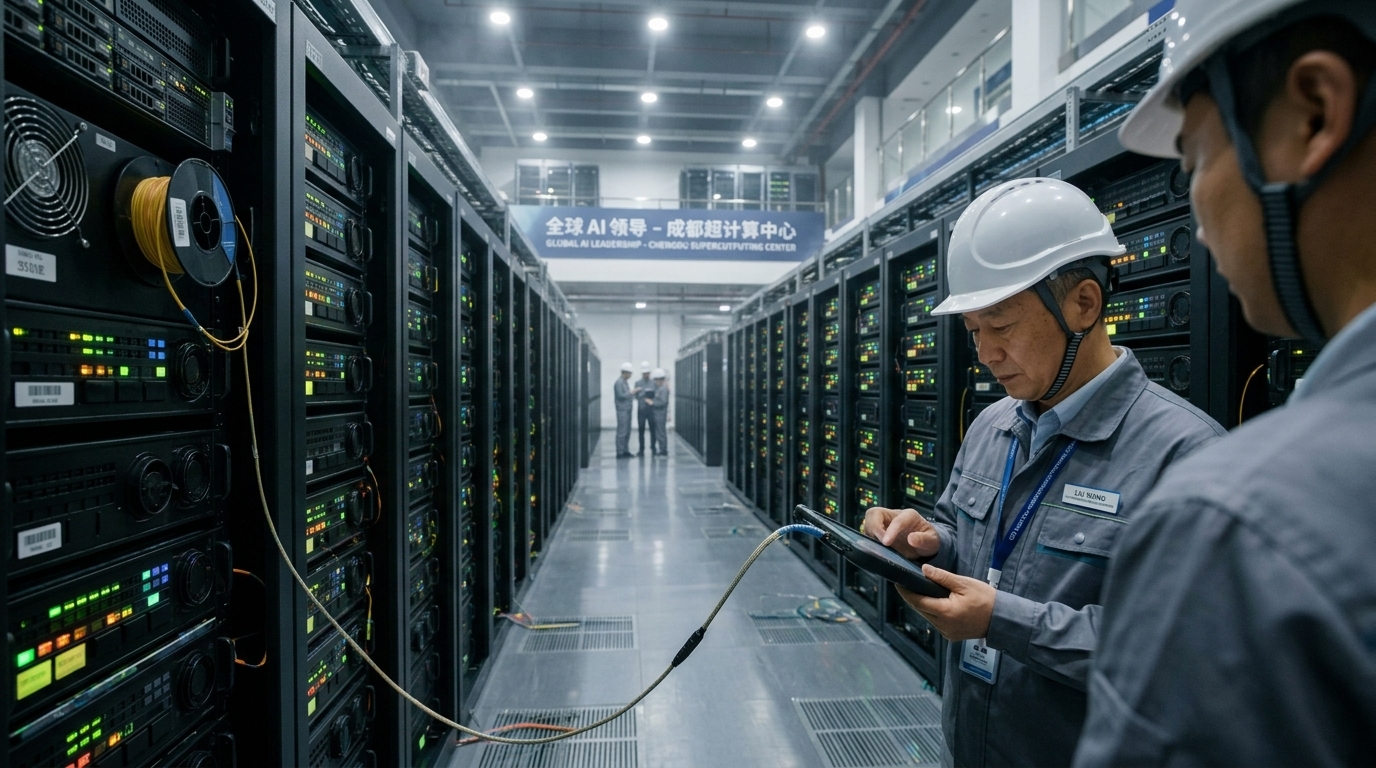
However, Beijing is betting on "Sovereign AI." By investing billions in domestic infrastructure and creating a closed but highly efficient network, China hopes to make AI the foundation of its future economy. Access restrictions ensure that the benefits of this technology remain within its borders, boosting Chinese industries—from autonomous driving to biotechnology—without allowing foreign competitors to capitalize on Chinese advancements.
Conclusion: A Two-Speed World
China's move to restrict access to its AI models is the definitive confirmation that technology is no longer a neutral field of commerce but the primary weapon of geopolitical power. As 2026 progresses, the global community must navigate a world where knowledge and computational power are demarcated by strict national borders. The hope for global AI governance seems to be receding, giving way to a zero-sum competition where access to the "digital brain" of the future will be the ultimate privilege.