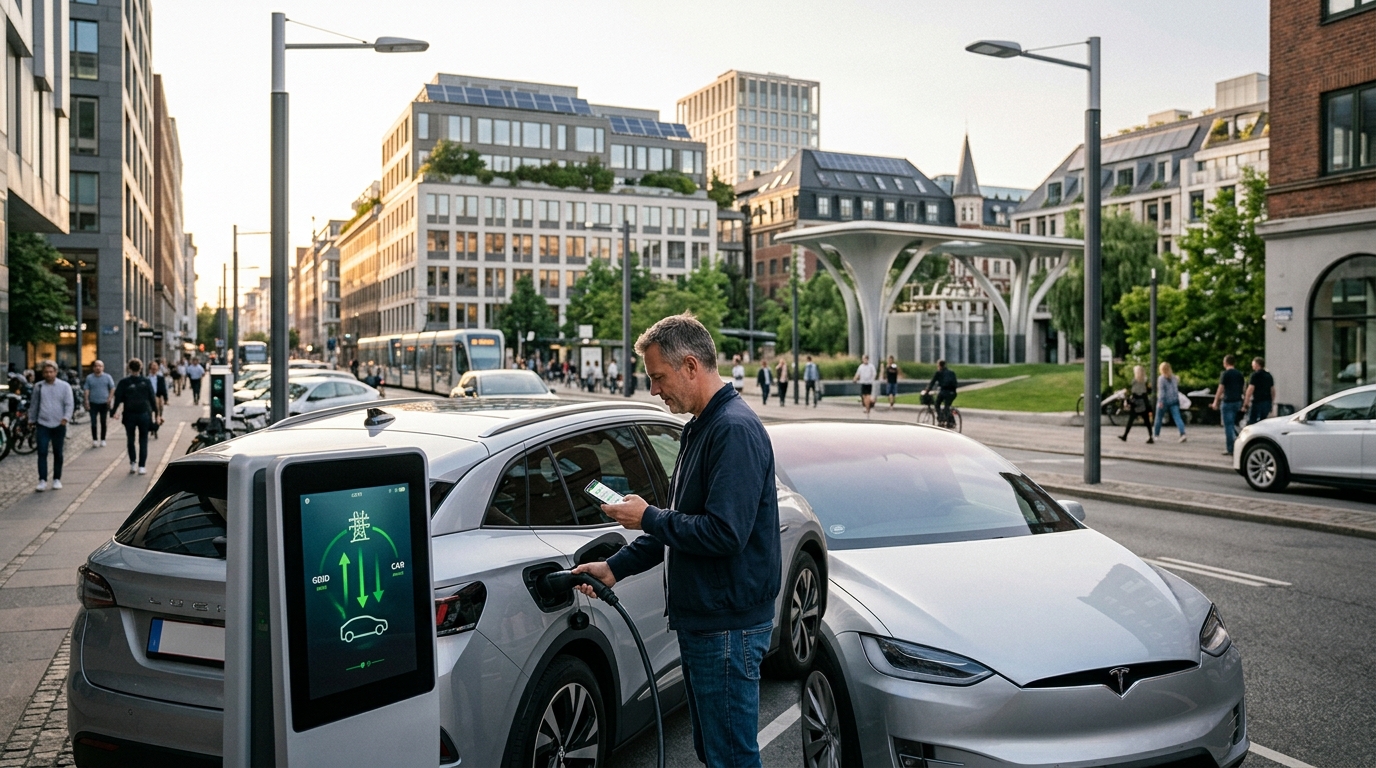
Electric vehicles (EVs) are gaining a new "superpower" that goes beyond simple transportation. Vehicle-to-grid (V2G) technology allows cars to not only draw power from the grid but also send it back when demand spikes. This evolution transforms drivers into active participants in the energy market, creating a potential revenue stream for vehicle owners.
Pilot Projects and Partnerships
In Massachusetts, a coalition of companies including National Grid and Sunrun has launched a trial allowing EV owners to feed energy back into the grid during high-demand events, such as heat waves. Participants are compensated for this service, much like homeowners who provide energy from solar panels. Industry experts suggest that tapping into existing EV batteries represents the cheapest form of flexible energy storage available to the grid.
Addressing Renewable Energy Challenges
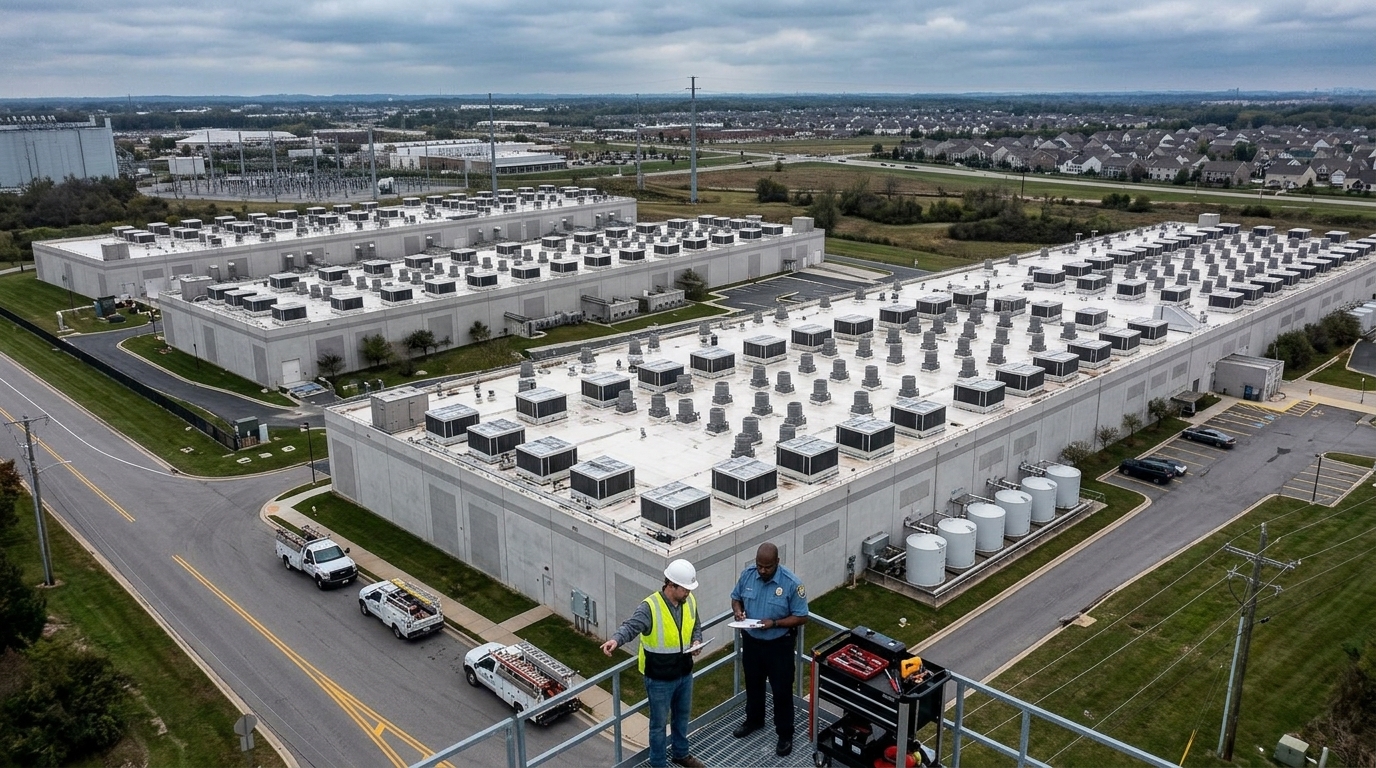
Utilities are facing escalating pressures from the rise of power-hungry data centers and the transition to heat pumps and electric cars. Simultaneously, the shift toward wind and solar energy introduces intermittency issues. EV batteries, which typically have six times the capacity of standard home backup units, offer a ready-made storage solution that could help utilities avoid some of the massive costs associated with building new transmission lines and storage facilities.
The Future of Virtual Power Plants
While not all EVs currently possess the necessary hardware, models like the Nissan Leaf are already equipped for bidirectional charging. The strategy involves managed charging—staggering when vehicles juice up overnight—and discharging during peak evening hours when people return home. As participation grows, utilities can draw smaller amounts of energy from a larger pool of vehicles, creating a "virtual power plant" that could ultimately make electricity more reliable and affordable for everyone.