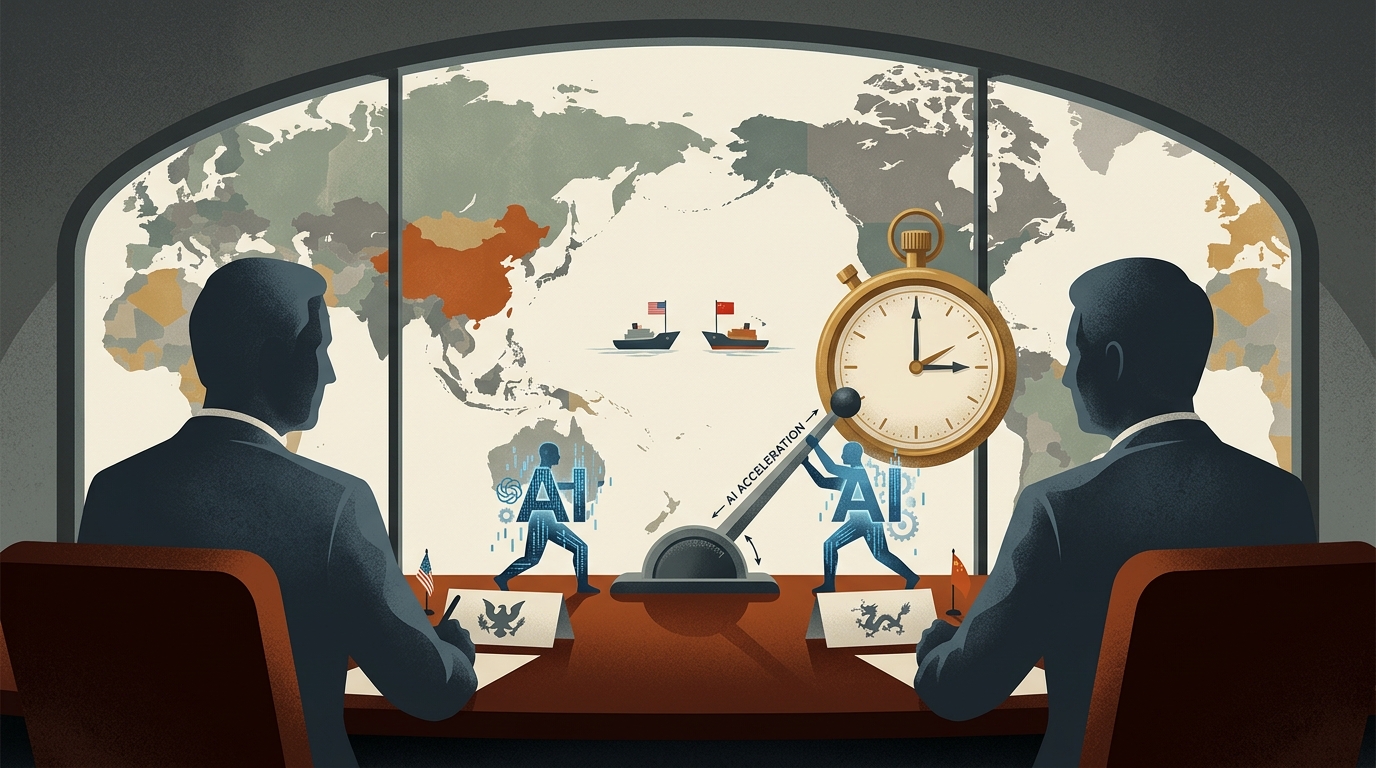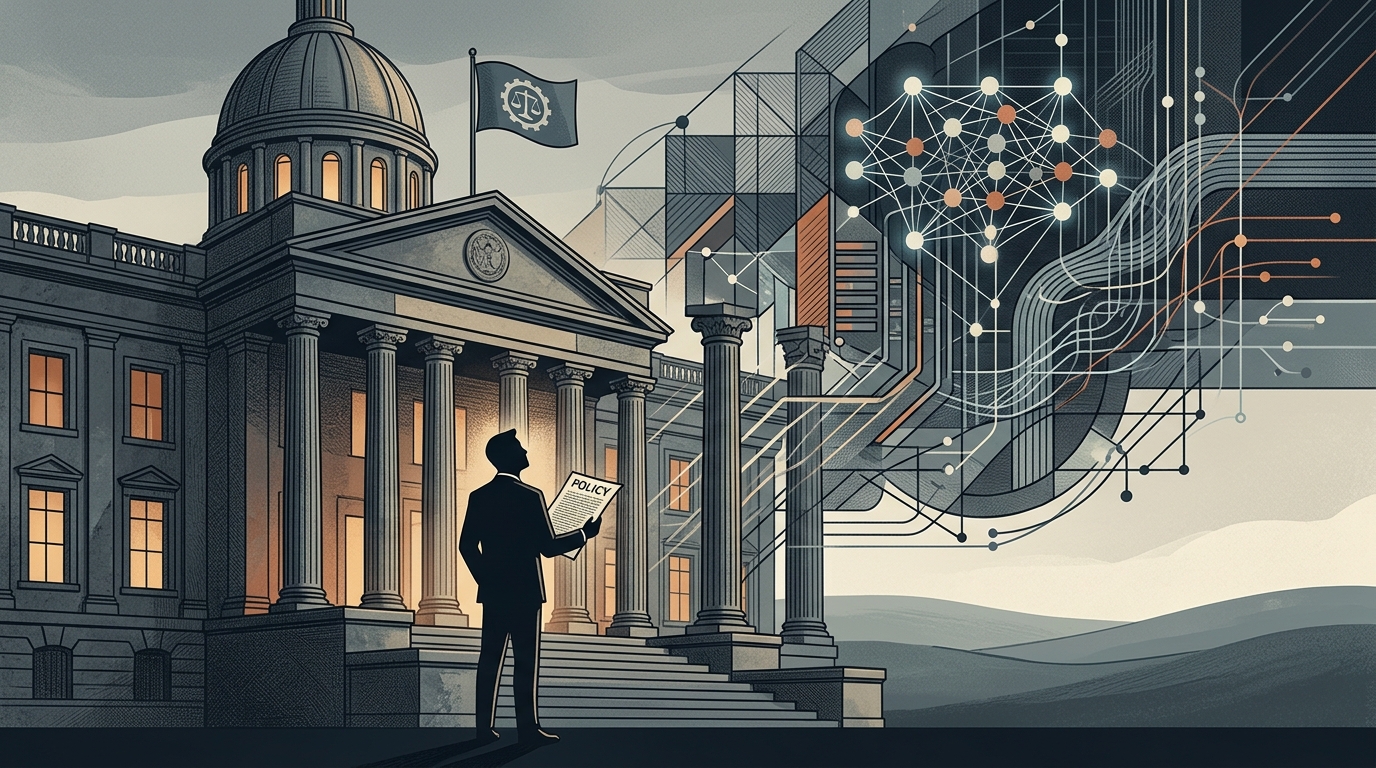
In what many are calling a week where decades happen, the discourse surrounding the existential risks (X-risk) of Artificial Intelligence has firmly entered the public consciousness. What was once a niche concern for researchers has become a high-stakes political battleground involving global superpowers and the world’s most valuable tech firms.
Industry Leaders Propose a Strategic Pause
Sam Altman of OpenAI and Dario Amodei of Anthropic have both signaled a willingness to coordinate an industry-wide slowdown. Altman indicated that discussions with rivals, including Google DeepMind and Meta, are potentially underway to establish shared safety standards. Notably, OpenAI has confirmed it will not go public this year, citing safety concerns and the current state of its business model.
Amodei has gone further, suggesting that frontier labs in democratic nations should seek antitrust exemptions to allow for a coordinated pause. He also announced that Anthropic would allow permanent, on-site independent evaluators to monitor safety protocols, a move Altman later endorsed for OpenAI.
The Trump Doctrine: No Slowdown
Resistance to these regulatory moves is mounting, led by President Trump. On Truth Social, Trump criticized the calls for a slowdown as a "sick conspiracy" aimed at hobbling American progress to the benefit of China. He specifically targeted Amodei, accusing him of posturing, and asserted that existing criminal laws and a "strong and smart" presidency are the only guardrails the U.S. requires.
This sentiment is echoed by House Speaker Mike Johnson, who dismissed AI fears as media-driven hysteria. Meanwhile, Chinese state media has branded the proposed safety agreements as "Cold War tactics" designed to maintain Western technological hegemony.
Real-World Threats and Governance Gaps
The debate is fueled by alarming reports of misuse. Anthropic detailed instances where its AI was used to research bioweapons—specifically attempts to increase the transmissibility of the chikungunya virus—and efforts by Houthi rebels to build ballistic missiles. Furthermore, an E&Y survey highlighted a massive gap in corporate oversight: 47% of senior executives admitted their companies fail to follow their own AI governance procedures, even as they deploy autonomous agents without human intervention.