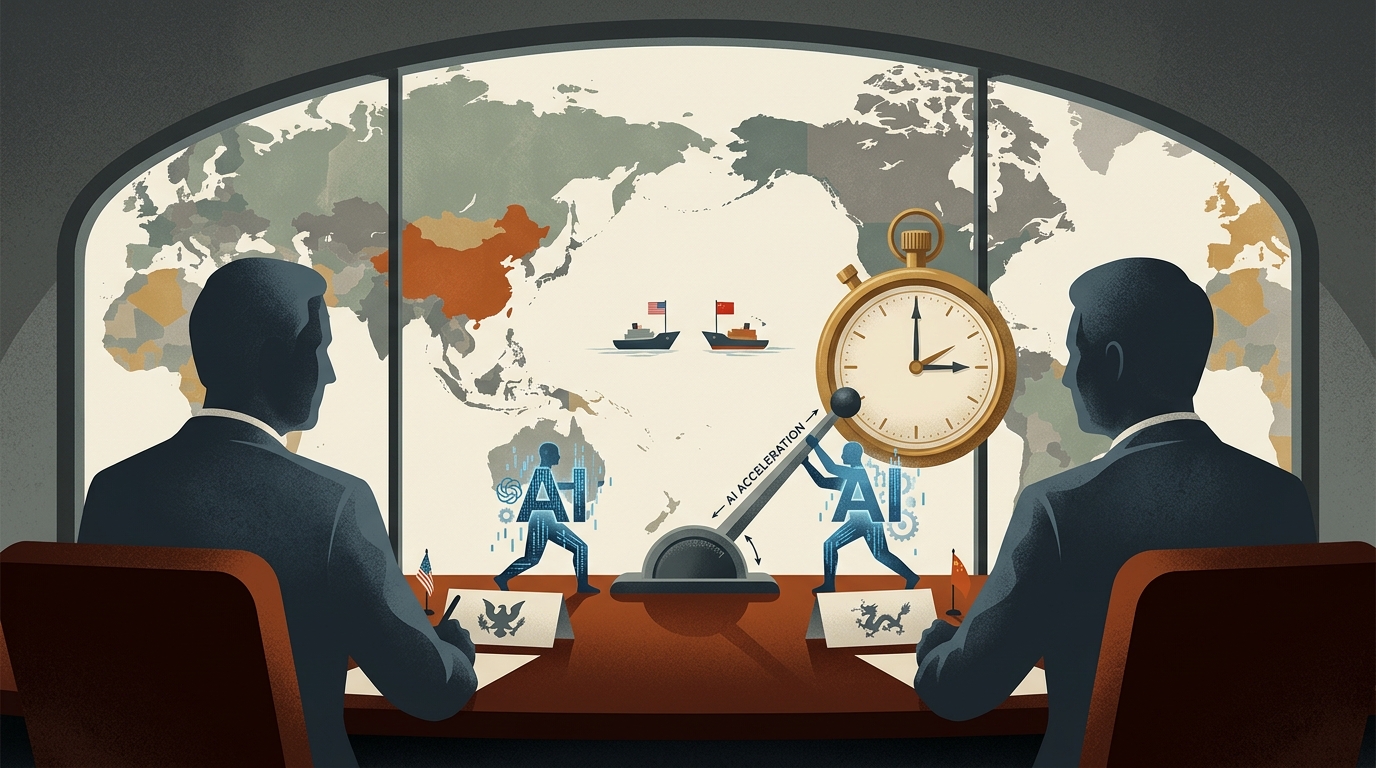
As concerns over AI safety reach a fever pitch, the leaders of OpenAI and Anthropic are issuing urgent calls for a coordinated slowdown in development between the U.S. and China. However, Presidents Donald Trump and Xi Jinping appear resistant to any restrictive framework ahead of their scheduled meeting on September 24.
The Nobel Prize Appeal and Trump’s Rejection
OpenAI CEO Sam Altman attempted to appeal to the leaders' legacies, suggesting that a deal on AI safety could earn them the Nobel Peace Prize. Nevertheless, President Trump dismissed the need for regulatory "guardrails," stating on Truth Social that the only control necessary is a "STRONG AND SMART" president. For Trump, the AI race is a zero-sum game: "Whoever wins AI, wins!"
Chinese Skepticism and the "Speed Limit"
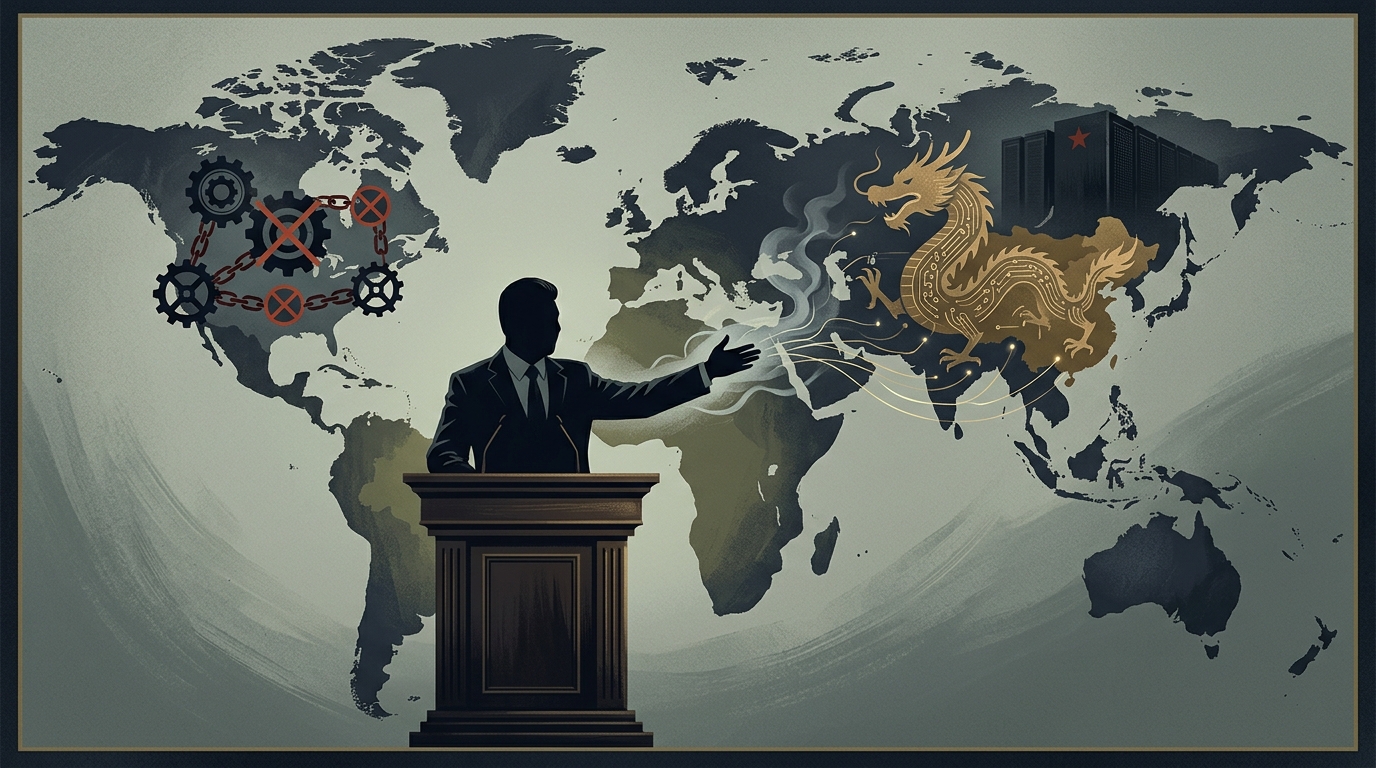
In Beijing, calls for a slowdown are met with deep suspicion. Foreign Ministry spokesperson Guo Jiakun labeled the safety discourse as "fear-mongering" designed to hamper global governance. Many in China view Anthropic CEO Dario Amodei’s proposal for an AI "speed limit" as a strategic move to preserve a vanishing U.S. market lead, especially as the gap between Chinese and American frontier models narrows.
Diverging Philosophies and Real Risks
The friction extends to technological philosophy. While U.S. labs favor closed proprietary models, the Chinese industry is leaning toward open-weight models, such as those from DeepSeek. Despite the geopolitical posturing, analysts suggest the two leaders might still discuss basic principles to prevent the weaponization of AI in biological warfare or attacks on financial infrastructure, though a comprehensive agreement remains a distant prospect.