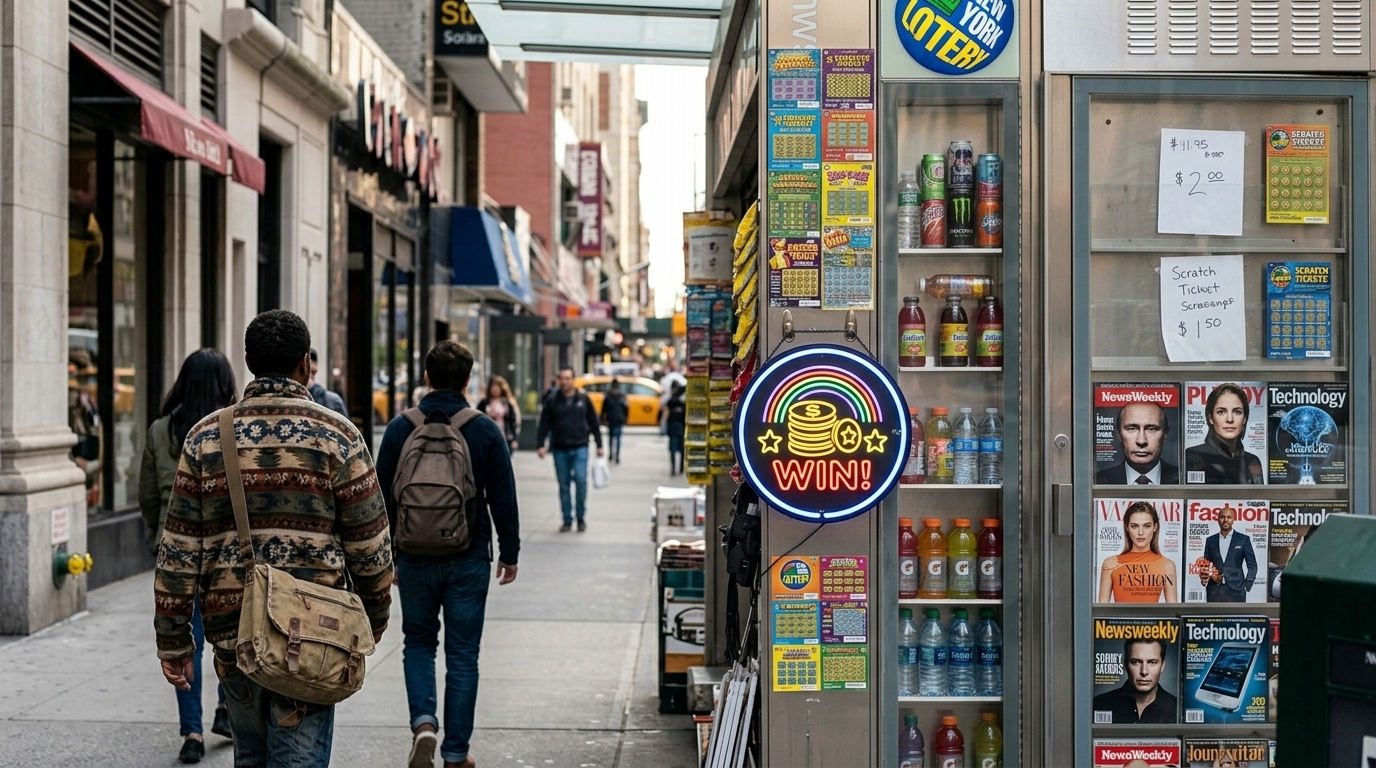
Buying a ticket is a straightforward transaction. However, when that same ticket is placed behind the words “Enter to win,” its perceived value shifts. According to economist Judd Kessler, a professor at the University of Pennsylvania’s Wharton School, lotteries often don't create excitement—they reveal pre-existing "excess demand."
The Concept of Hidden Markets
In his book Lucky by Design, Kessler describes lotteries, restaurant lines, and waiting lists as “hidden markets.” These mechanisms allow for the allocation of scarce goods without simply raising prices until demand drops. For businesses, intentionally perpetuating scarcity can generate excitement and strengthen future demand.
Ella Hozhei, a New York resident who regularly enters Broadway lotteries, notes that the process makes her feel “chosen.” Regarding a stage production of Stranger Things, she felt compelled to buy tickets the moment she won, experiencing the thrill of obtaining something others wanted but could not get.
Governmental Use of Lotteries
While businesses use lotteries to manage market excitement, governments often employ them to ensure fairness. Kessler suggests that government lotteries are guided by the “three E’s”: equity, efficiency, and ease.
- Visas and National Parks: The U.S. federal government uses lotteries to allocate Diversity Visas and manage access to high-demand nature sites like The Wave in Arizona.
- Affordable Housing: New York City utilizes lottery systems to distribute affordable housing units.
- Sports Accessibility: NYC Mayor Zohran Mamdani recently announced a lottery for 500 free tickets to the 2026 USA Track & Field Outdoor & Para National Championships to ensure the event remains accessible.
Even in the financial sector, lotteries are surfacing. Fidelity recently stated it would use a lottery to allocate shares of the anticipated SpaceX IPO among retail investors if demand exceeds its allotment, proving that the lottery system remains a vital tool for managing modern scarcity.