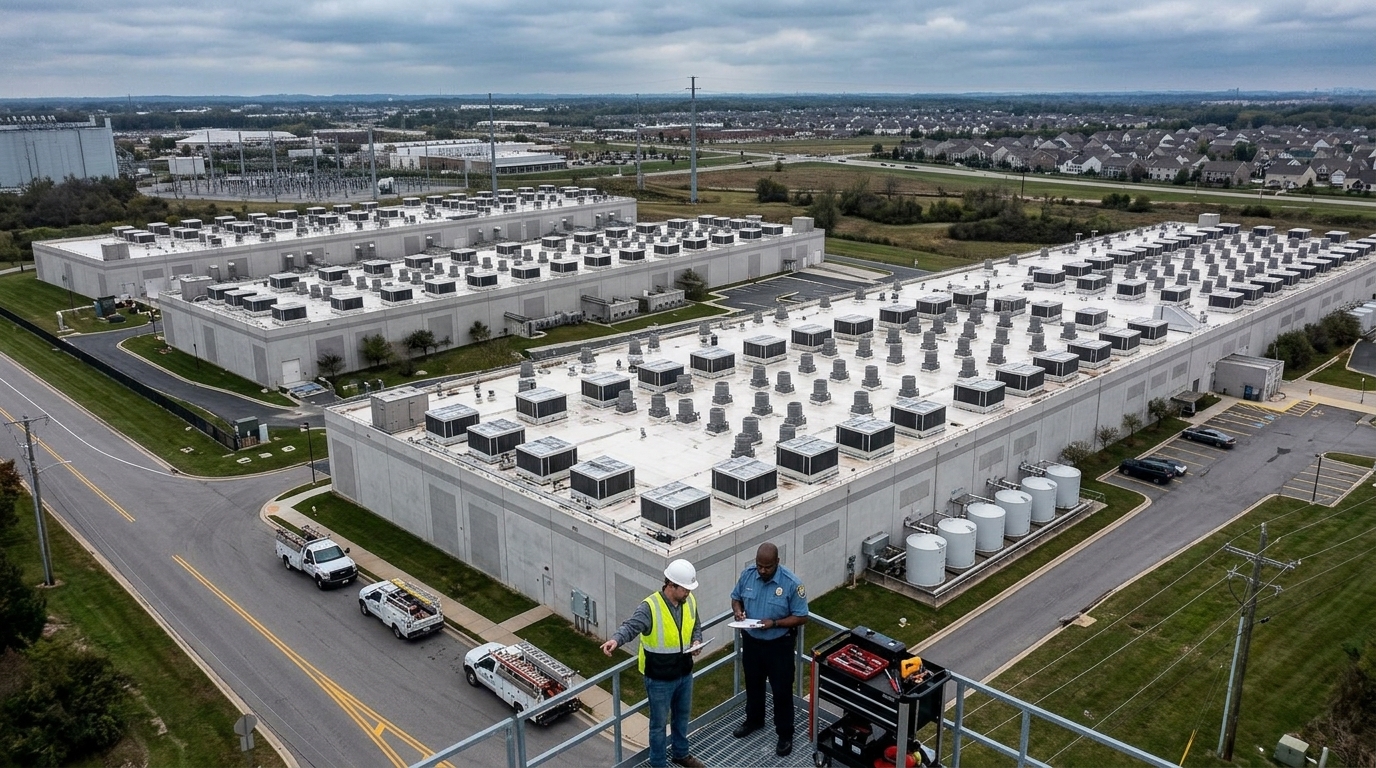
Poll data released Tuesday by the New York Times and Siena University confirms a growing trend: AI and the infrastructure required to power it are deeply unpopular with the American public. According to the survey of 1,503 likely voters conducted in early September, 61 percent of respondents oppose the construction of data centers to power AI technology, with only 14 percent saying they strongly support such projects.
Partisan Splits and Public Sentiment
Opposition to data centers appears to cut across political lines, though with varying degrees of intensity. Voters for Donald Trump are roughly split, with 49 percent in favor and 45 percent opposed. In contrast, those who voted for Kamala Harris or did not vote lean heavily toward opposition, at 74 percent and 67 percent, respectively. Among those opposed, 56 percent support placing limits on construction, while 38 percent would prefer a total ban.
Primary Drivers of Opposition
The poll identified several key reasons why voters are pushing back against AI infrastructure:
- Environmental impact and water usage (32%)
- Impact on local communities (21%)
- General distrust or dislike of AI (18%)
- Concerns over regulation (10%)
- Economic concerns (9%)
Despite this widespread unpopularity, AI and data centers rank low on the list of critical issues deciding midterm votes. For most demographics, the issue registered at less than one percent, though it rose to three percent among voters aged 18-29, who still prioritized the economy, inflation, and foreign policy.
Historical Context and Political Trust
These findings align with previous data. An NBC News poll in March showed AI polling lower than ICE, and a Gallup poll in May revealed that seven in ten Americans opposed local construction of AI data centers. When asked which party they trust to handle the issue, 42 percent favored Republicans and 40 percent favored Democrats, suggesting that neither major party has established a significant edge in addressing the public's concerns.