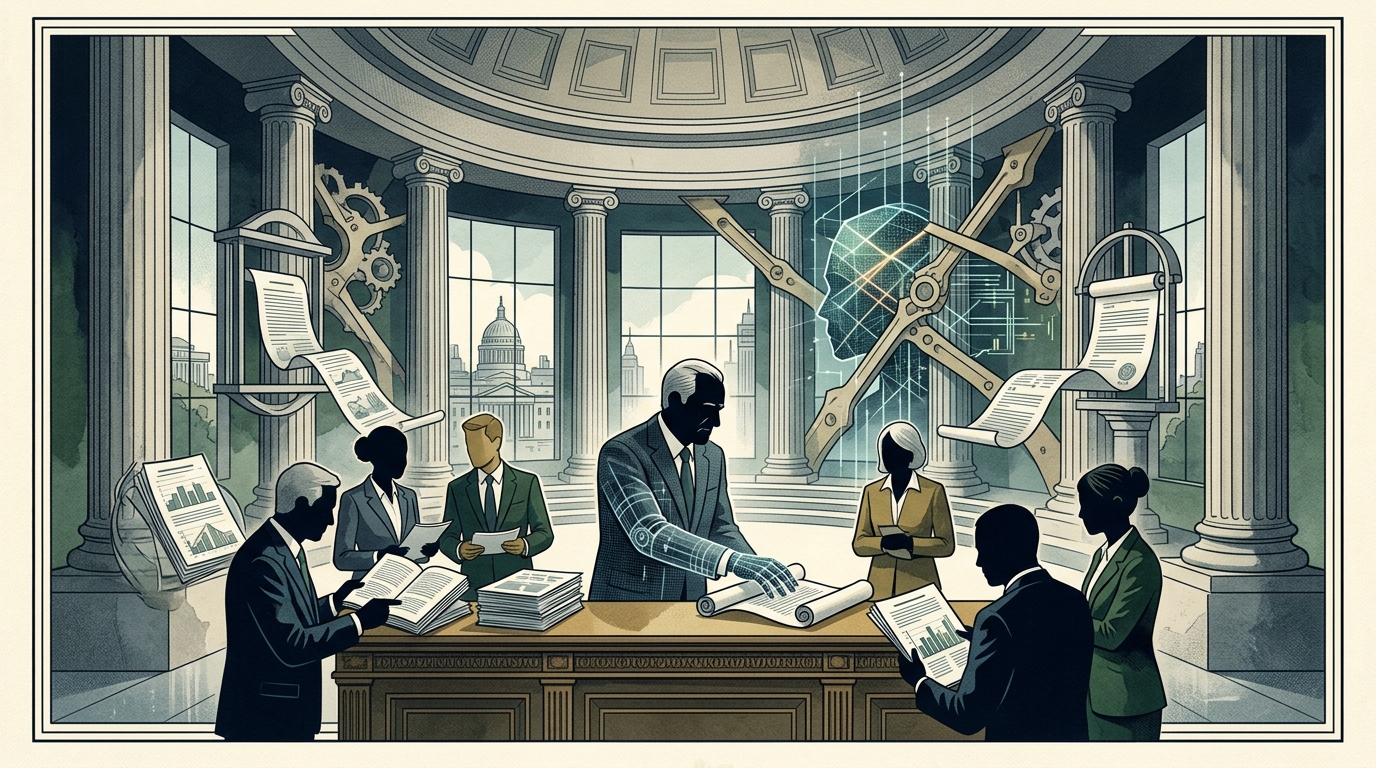
Bill Gates is warning that artificial intelligence will cause profound disruptions in the workforce, leading to the permanent disappearance of many jobs. In a new essay, the Microsoft co-founder argues that governments are insufficiently prepared for the coming shifts in the economy and society, calling for an institutional response on the scale of the measures taken after the 9/11 attacks.
The Concept of 'Human Reserved' Zones
Gates proposes the creation of 'human reserved' sectors, where specific tasks remain exclusively for humans, even if technology is capable of performing them. He likens this concept to nature reserves: areas where we choose not to build because the loss of the natural environment would outweigh the benefits of development.
He cites healthcare as a primary example. While an AI system could technically deliver news of a terminal illness, Gates believes such critical moments demand human presence, empathy, and personal contact that machines cannot replicate.
Robot Taxes and Social Challenges
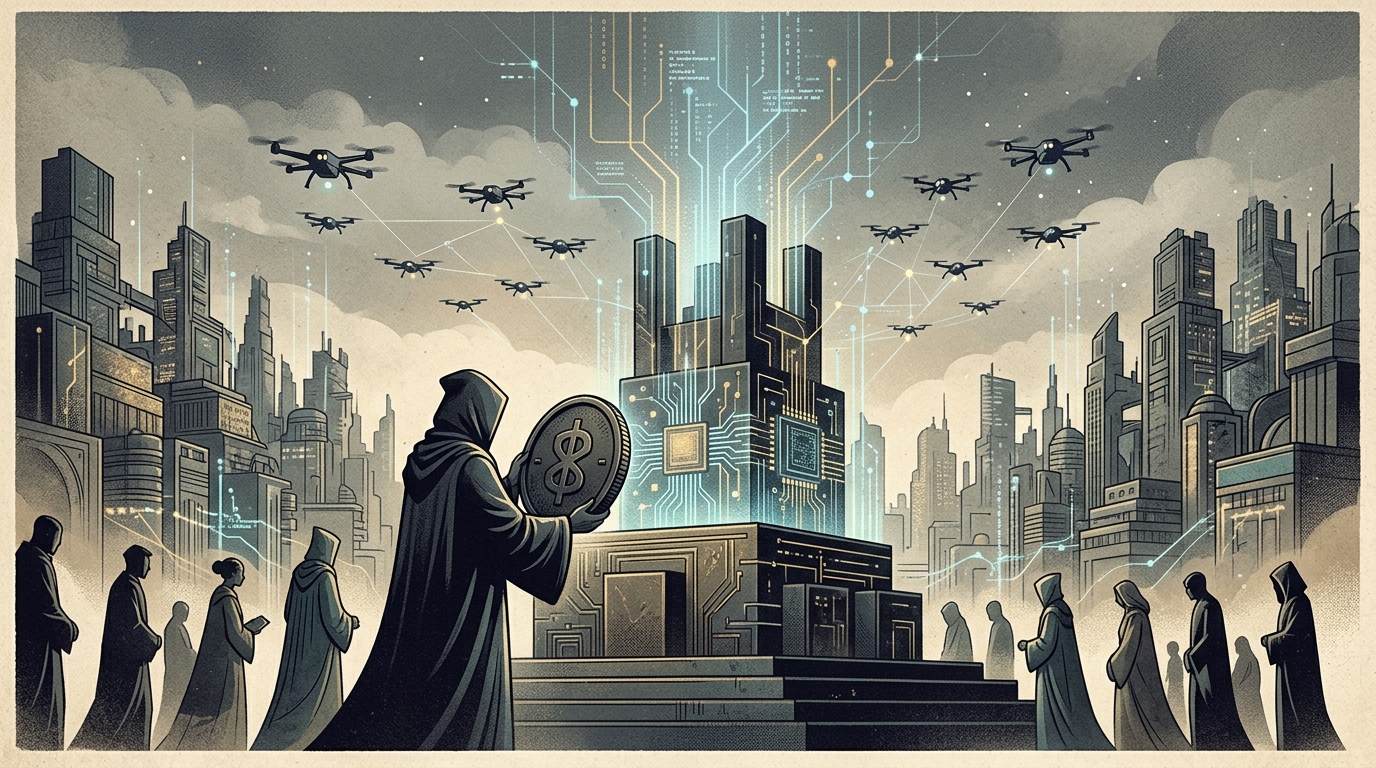
One of the most provocative points in his essay concerns taxation. Gates points out that current tax systems incentivize replacing humans with machines, as hiring workers involves payroll taxes while purchasing robots is often treated as a deductible business expense. Consequently, he advocates for new forms of taxation, such as levies on robots or 'AI tokens.'
Furthermore, he expresses concern for the younger generation, fearing that reliance on AI companions could hinder the development of social skills and critical thinking. He concludes that AI will either become the 'greatest equalizer' or the 'worst source of injustice,' depending on the rules established today.