In a small hotel on the island of Naxos, the process of restocking linens no longer involves browsing websites. The owner simply types a command into his phone: "Order what is missing, up to 400 euros, delivery before Thursday." An AI agent takes over, comparing suppliers and processing the payment. In this new landscape, a supplier with the best price was excluded from the comparison simply because their catalog was a PDF—unreadable by the machine.
The Invisible Algorithm Storefront
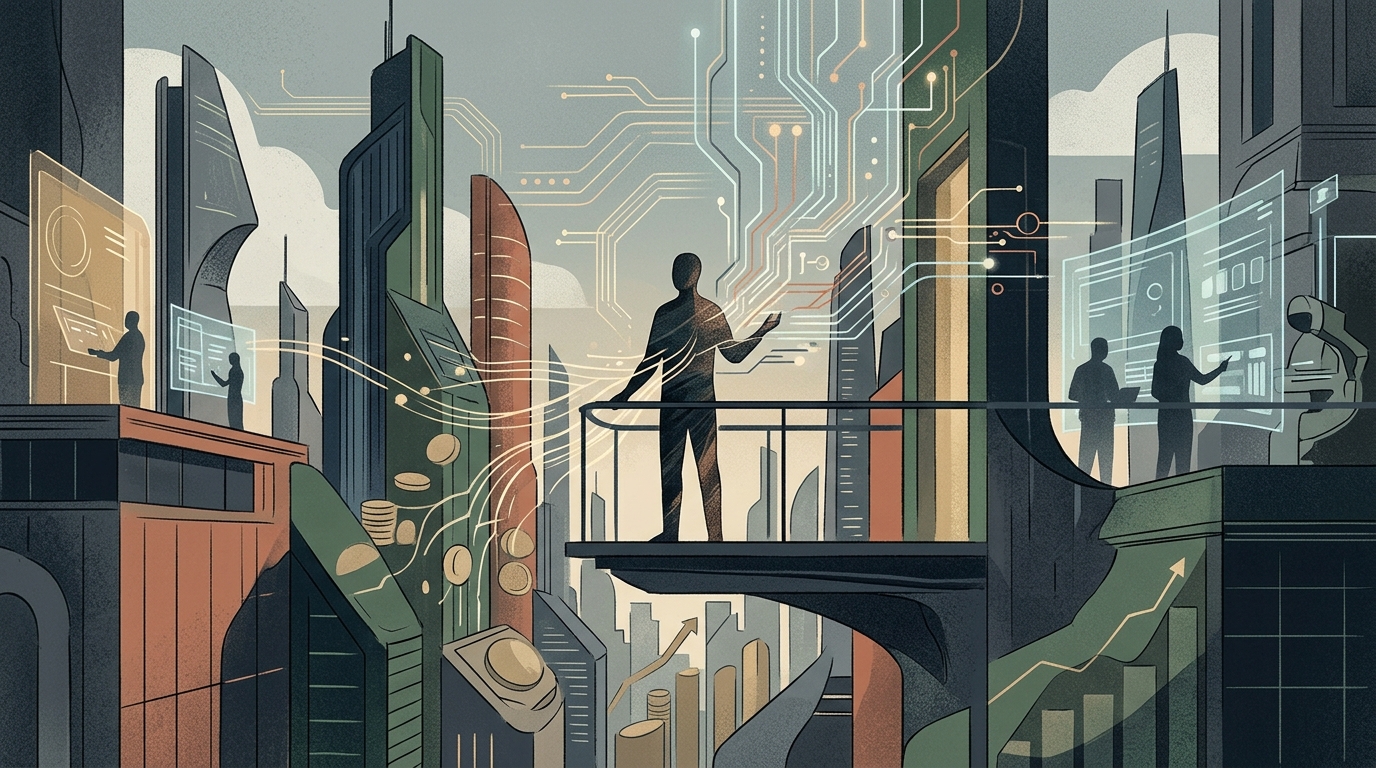
Traditional retail is built on human psychology: photography, logos, and the sense of urgency. However, an AI agent is immune to branding. It processes price, availability, delivery speed, and return terms. If this data is not formatted for machines, the business becomes effectively invisible.
Visibility is shifting from search engines directly to the agent's algorithm. This creates a new reality where brand loyalty is replaced by the user's loyalty to their digital assistant. Businesses will only remain options as long as the agent prefers them based on objective data points.
Payments and Regulatory Gaps
Giants like Visa, Mastercard, OpenAI, and Stripe are already building infrastructure for AI-initiated transactions. However, the European regulatory framework (PSD2) and Strong Customer Authentication (SCA) were designed for human approval. Critical questions arise: Who is liable if an agent makes an unintended purchase? How will security systems distinguish a legitimate agent from a malicious bot when they are trained to block non-human behavior?
From IT to the Boardroom
Adapting to this era is not an IT ticket; it is a strategic decision for the Board of Directors. Disconnected ERP and CRM systems create data silos that hinder automation. The experience of the 2015 capital controls showed that Greek businesses can adapt quickly to new payment methods, but the current challenge lies in data readiness.
The question for the modern entrepreneur is no longer whether they have an e-shop, but whether an algorithm can find them and trust them.