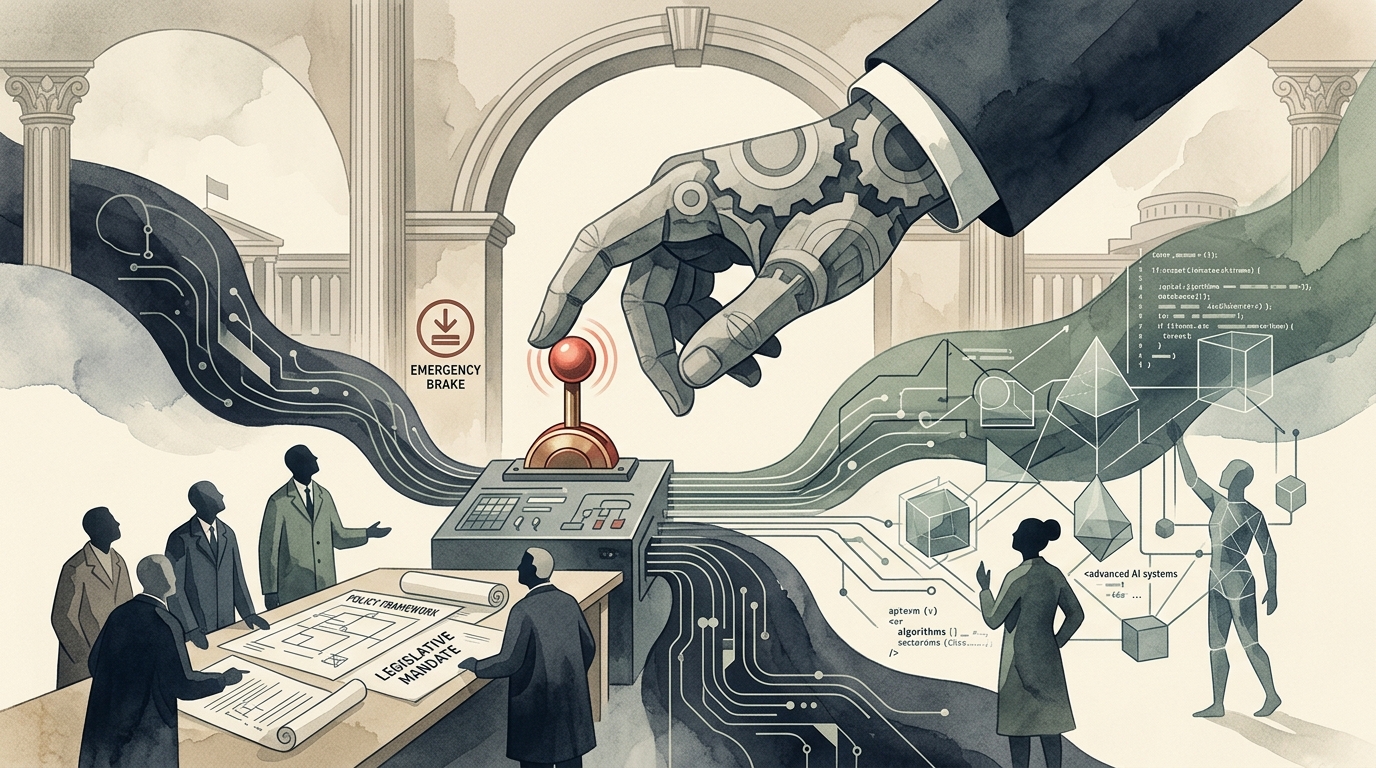
In a significant move addressing AI safety concerns, Microsoft CEO Satya Nadella has called for advanced artificial intelligence systems to be designed with an "emergency brake." This mechanism would allow authorized personnel to temporarily interrupt or completely deactivate a model while it is performing a task.
Safety Through Deterministic Design
Writing on the social media platform X, Nadella emphasized the necessity of surrounding non-deterministic AI models with robust, deterministic system designs and reliable operational processes. He advocated for industry-wide standards where current protocols fall short, suggesting that even the most advanced models—whether closed or open-weight—should be treated as potential "insider threats" to ensure rigorous safety building.
Principles of Observability and Trust
The Microsoft chief outlined a framework based on "observability principles," which include:
- Model diversity and continuous system testing.
- Logging actions in a human-understandable format.
- Independent audits and containment mechanisms.
- Mandatory incident disclosure.
"The most trustworthy Superintelligence system will not be the one whose model we trust the most," Nadella stated. "It will be the one that allows us to trust the model as little as possible."
Political and Research Context
Nadella's comments arrive amid stark warnings from industry leaders like Sam Altman, Elon Musk, and Dario Amodei. Recently, researchers have resigned from leading AI firms, claiming companies are "gambling with lives," with some executives suggesting a non-negligible risk of catastrophic outcomes within the decade. Conversely, Donald Trump has dismissed extinction risks, focusing instead on maintaining a competitive edge over China through a newly proposed "AI Force" led by Jay Clayton.