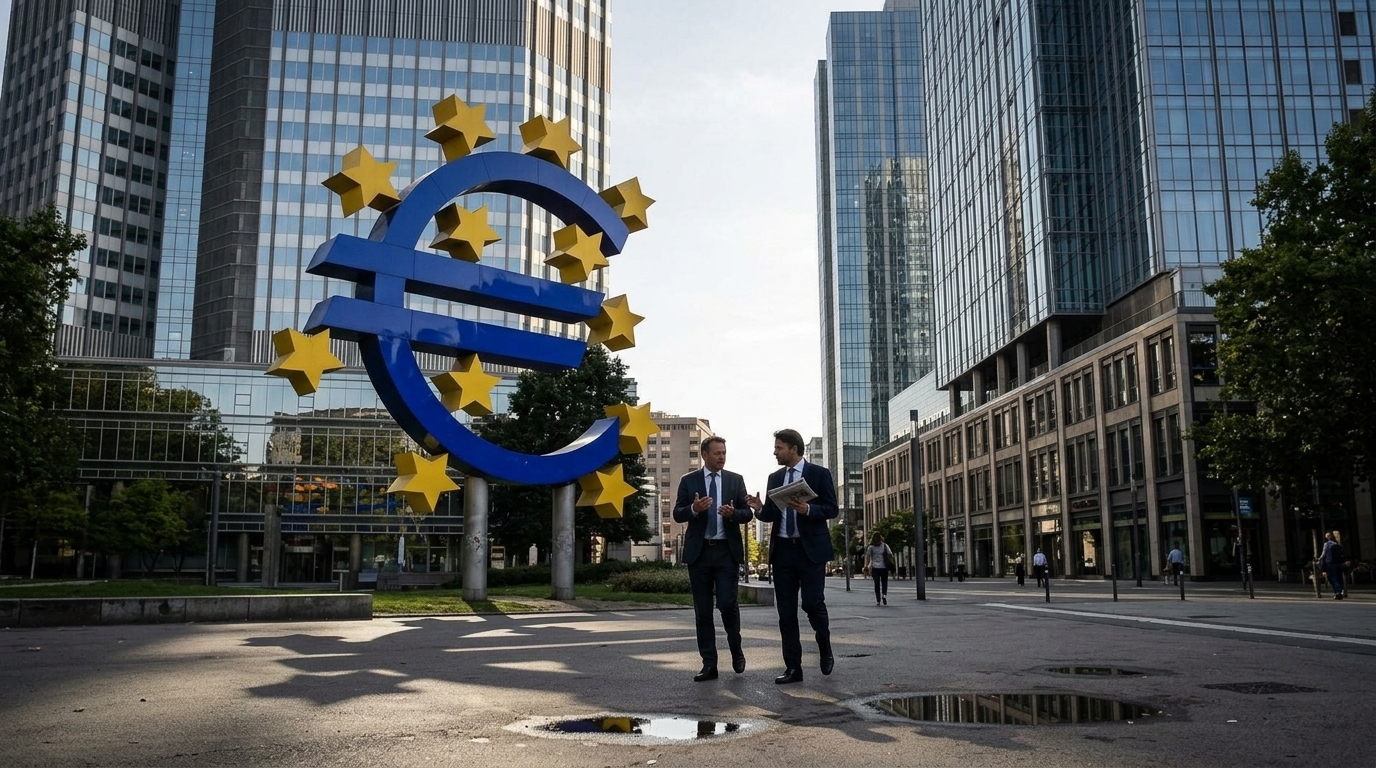
The European Central Bank (ECB) recently concluded a unique stress test involving the 110 largest banks in the Eurozone, including Greece's four systemic banks. The exercise aimed to assess their preparedness and management of complex geopolitical risks.
A Departure from Traditional Metrics
Moving away from standard capital adequacy focuses, the ECB required each bank to develop its own adverse geopolitical scenario. This approach tested the resilience of balance sheets and the quality of early recognition and mitigation mechanisms for threats capable of significantly impacting the CET1 capital ratio.
Key scenarios analyzed by the institutions included:
- Escalation of conflicts in the Middle East.
- Continuation or expansion of the war in Ukraine.
- Tensions in US-China relations and potential crises in Taiwan.
- Growth of global trade protectionism.
The Trap of Unrealistic Assumptions
While the ECB noted that most banks correctly identified the primary threats, it highlighted a failure to accurately translate these risks into capital and funding pressures. A significant concern identified by regulators is the "strong dose of optimism" prevalent in banking strategies.
Supervisors found that many banks assume they can raise new capital under favorable terms or offload loan portfolios and activities even during a generalized crisis. The ECB questions the realism of these assumptions, pointing out the lack of clarity on who would buy such assets—and at what price—when the global market is in turmoil.