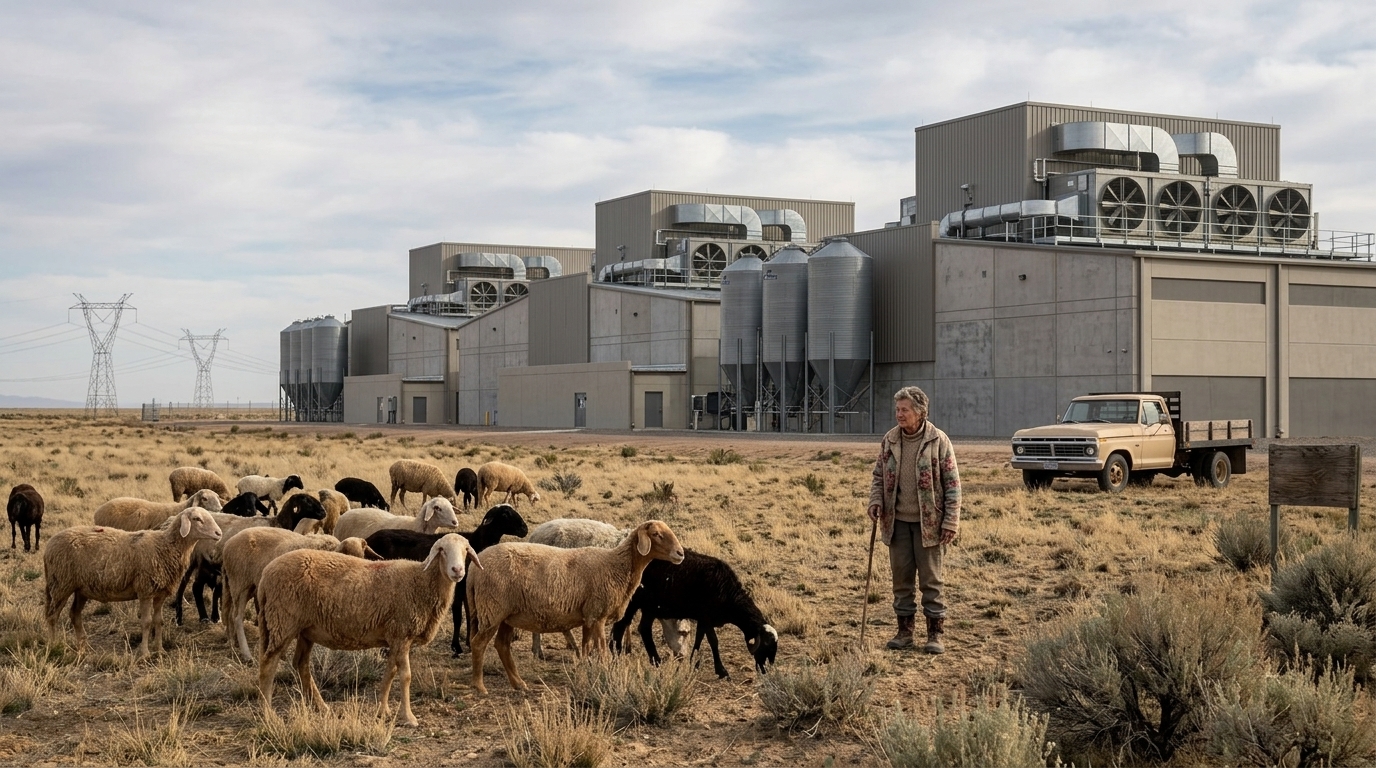
In an era where the expansion of artificial intelligence requires vast infrastructure, Ida Huddleston, an 82-year-old Kentucky farmer, has set a firm boundary. Huddleston and her daughter, Delsia Bare, turned down a combined $26 million offer from an unnamed AI firm planning to convert their land into a large-scale data center campus.
Legacy Over Profit
The financial incentive was significant: approximately $60,000 per acre for Huddleston and $48,000 for Bare, rates that far exceed the typical $6,000-per-acre price in Mason County. For Huddleston, who has lived on the property since she was 16, the land's value transcends money. "You can’t get food out of a data center," she remarked, citing concerns over potential environmental damage like groundwater contamination.
Pressure and Local Resistance
Bare admitted she briefly signed a contract due to fears of eminent domain and pressure from unidentified developers before withdrawing. Despite the family's refusal, the project is proceeding on more than 2,000 acres of adjacent land that has been approved for rezoning. While officials suggest the project will create hundreds of jobs, local skepticism remains high.
blockquote>"I don’t want your money, I don’t need your money," Huddleston told local media. "But I do feel sorry for everybody around us."This dispute reflects a growing trend across rural America. Similar tensions are rising in Michigan and Texas as agricultural communities resist Big Tech’s demand for land and power to support the AI industry.